Tsukiji Outer Market guide: history, hidden spots and events nearby
A food district of around 460 shops (sources give about 450–460), within walking distance of Ginza. The wholesale inner market moved to Toyosu in 2018, but the outer market stayed in Tsukiji and is still busy every day. Unlike the inner market, each shop runs independently like a shopping street, so anyone can shop and eat here.
Kyochika's tips
- The streets are liveliest from about 9:00 to 13:00. Our suggestion: arrive just after 9:00, snack on tamagoyaki and tuna, then walk on to Tsukiji Hongwanji or Hama-rikyu Gardens before lunch.
- Many shops take cash only, so bring plenty of small change. Eating while walking is not allowed: eat in front of the shop or in designated areas. The alleys are narrow, so keep your group small.
Events near Tsukiji Outer Market now and coming up
Within 1.5 km, nearest first. Checked against official pages.
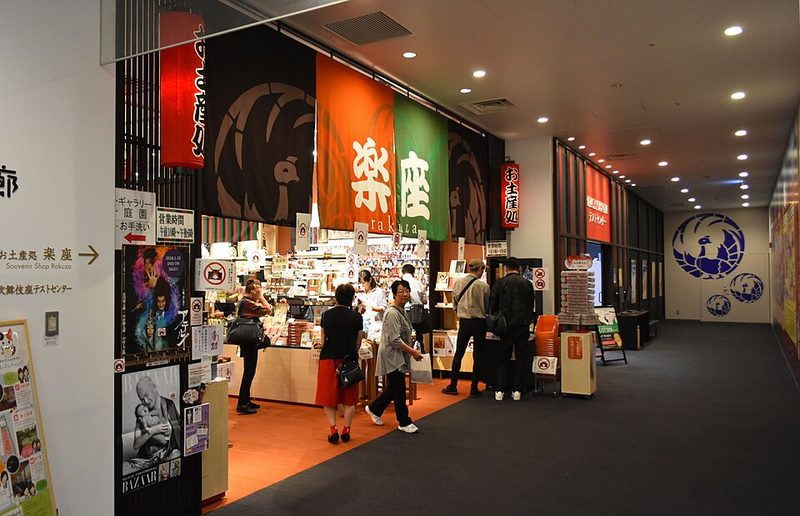 12th Neko-ten: Cat Art & Goods FairNov 1 (Sun) – Nov 29 (Sun) · Kobikicho Hiroba (Kabukiza Tower B2F) · 0.5 km · free
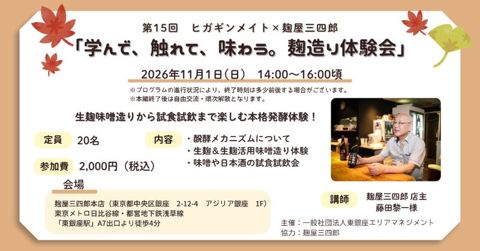 15th Higagin Mate: Learn, Touch and Taste — Koji-Making ExperienceNov 1 (Sun) · Kojiya Sanshiro main store · 0.6 km
 Rooftop Star Skating Rink (GINZA SIX XMAS 2026)Nov 14 (Sat) – Feb 14 (Sun) · GINZA SIX Rooftop Garden · 0.8 km
 Lovit! Gourmet FestivalOct 28 (Wed) – Nov 9 (Mon) · Ginza Mitsukoshi, Annex 7F Event Hall · 0.8 km
 Words That Spark Dialogue: TCC Awards 2026Sep 18 (Fri) – Oct 31 (Sat) · The Ad Museum Tokyo · 0.8 km · free
 ufu. presents Great Baked Sweets ExpoOct 21 (Wed) – Oct 27 (Tue) · Ginza Mitsukoshi Main Bldg B2F GINZA Stage & Event Space · 0.8 km
 Ginza Burat Special #225 Café Ginza 17 (Christmas songs)Dec 16 (Wed) · Oji Hall (Ginza) · 0.8 km
 Explore the Library's Closed Stacks! Edo-Period Books Workshop with Koyori and Washi (Hon no Mori Chuo)Nov 15 (Sun) · Hon no Mori Chuo, 1F Multipurpose Hall · 0.8 km · free
 Ask the Editor of Gakken's Zukan LIVE! How Picture Encyclopedias Are Made and Used (Hon no Mori Chuo)Nov 1 (Sun) · Hon no Mori Chuo, 1F Multipurpose Hall · 0.8 km · free
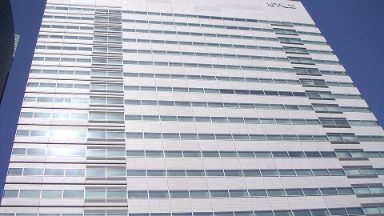 The Design of Yoshida Shoya: The Future Envisioned by the New Mingei MovementOct 15 (Thu) – Dec 20 (Sun) · Panasonic Shiodome Museum of Art · 0.9 km
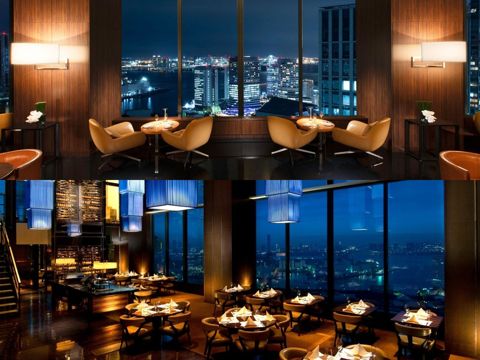 Conrad Tokyo Countdown Party 2026-2027 (TwentyEight / China Blue)Dec 31 (Thu) · Conrad Tokyo 28F (TwentyEight / China Blue) · 0.9 km
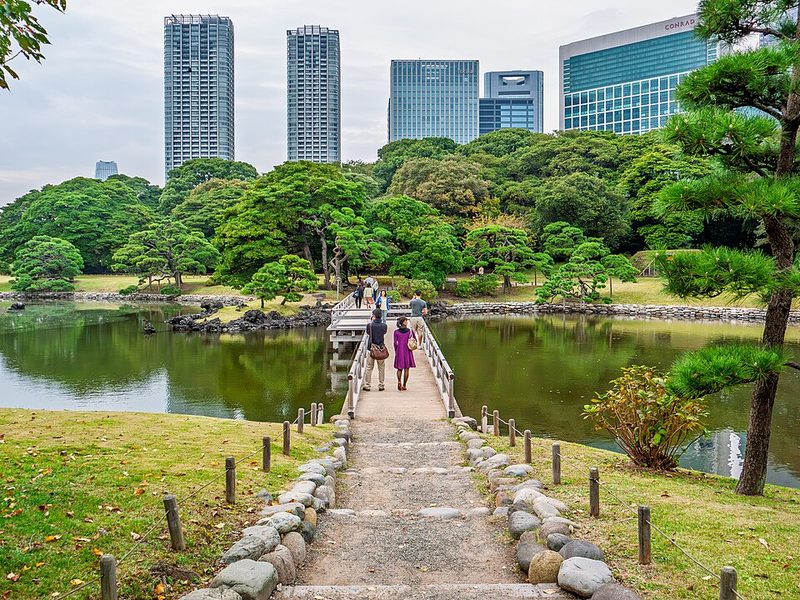 Hama-rikyu Gardens "Evening Stroll in the Garden" (80th Anniversary Night Opening)Oct 30 (Fri) – Nov 3 (Tue, holiday) · Hama-rikyu Gardens · 0.9 km
Visiting info
| Hours | About 8:00–14:00 (varies by shop). Many shops serve trade buyers until 9:00, so general visitors are advised to come after 9:00 |
|---|---|
| Closed | In principle Sundays, national holidays and some Wednesdays. Many shops follow the Tokyo Central Wholesale Market calendar (varies by shop) |
| Admission | Free |
| Payment | Many shops are cash only. Card acceptance varies by shop |
| Address | 4-16-2 Tsukiji, Chuo-ku, Tokyo (Plat Tsukiji information center) |
| Getting there | About 1 min walk from Tsukijishijo Station (Oedo Line) Exit A1, or 1–3 min from Tsukiji Station (Hibiya Line) Exits 1 and 2. Also walkable from Higashi-ginza Station. About 10 min on foot from Ginza and Shiodome |
Checked on 2026-10-27 against the official pages. Hours and fees can change; please check before you go.
Sources: GO TOKYO「築地場外市場」 (Japanese) / Good Luck Trip「築地場外市場」 (Japanese) / GO TOKYO「築地」 (Japanese)
How did the outer market come to be?
The name Tsukiji ("built land") is said to come from land reclaimed from the sea at the mouth of the Sumida River to rebuild Hongwanji temple after the Great Meireki Fire of 1657.
Tokyo's fish market is said to have begun in the early Edo period, when Tokugawa Ieyasu had fishermen from Tsukuda village in Settsu fish Edo Bay and allowed them to sell fish at the foot of Nihonbashi bridge (the Nihonbashi Uogashi). The 1923 Great Kanto Earthquake devastated the Nihonbashi market, and after a period in temporary markets it reopened in 1935 as the Tsukiji Central Wholesale Market, on the former site of a navy technical research facility.
Shops selling food and kitchen tools gathered around the market to form the "outer market," which became known as the largest wholesale district in Tokyo. The outer market shopping street association was founded in 1993. In October 2018 the inner market closed after 83 years and moved to Toyosu, while the outer market stayed in Tsukiji.
Sources: 野村不動産ソリューションズ「まちから」築地 (Japanese) / 中央区「中央卸売市場築地市場」(区の展示資料) (Japanese) / 法政大学 江戸東京研究センター 資料(築地の年表) (Japanese) / nippon.com「築地場外市場」 (Japanese) / GO TOKYO「築地場外市場」 (Japanese)
The god who stopped the waves: Namiyoke Shrine
Namiyoke Inari Shrine, at the southern edge of the outer market, is said to date from 1659. When the shogunate reclaimed this stretch of sea, waves kept washing away the embankments. The story goes that when people enshrined a sacred image of the Inari deity found floating in the sea, the wind and waves stopped at once and the work could be finished. The name Namiyoke, "warding off waves," comes from this story.
Since then it has been worshipped as an Inari shrine that "removes disasters and rides out the waves," and became the guardian shrine of Tsukiji. No wonder so many market people pray here.
Sources: さんたつ by 散歩の達人「築地の波除神社で『つきじ獅子祭』」 (Japanese) / 中央区「波除稲荷神社の天水鉢」 (Japanese) / 中央区「波除稲荷神社の獅子頭」 (Japanese)
Yoshinoya's first shop was in Tsukiji
Yoshinoya was founded in 1899 at the Nihonbashi fish market as a beef bowl shop for market workers. When the market moved to Tsukiji after the Great Kanto Earthquake, Yoshinoya moved with it. After burning in the 1945 air raids, the shop rebuilt in 1947 is regarded as its "first store."
The "tsuyudaku" (extra sauce) style is said to have started with market workers who wanted to eat quickly. The Tsukiji shop closed on October 6, 2018, with the market move to Toyosu.
Sources: ASCII.jp「吉野家の一号店」 (Japanese)
Tsukiji Hongwanji, a temple that looks like India
The main hall of Tsukiji Hongwanji, next to the outer market, was rebuilt in 1934 after the Great Kanto Earthquake. It was designed by Ito Chuta, architectural historian and professor emeritus of Tokyo Imperial University.
Built of reinforced concrete, it borrows its exterior from ancient Indian Buddhist architecture and its interior from traditional Japanese design. It became a national Important Cultural Property in 2014. Inside are a chandelier and a German-made pipe organ.
Sources: 文化遺産オンライン「築地本願寺本堂」 (Japanese) / GO TOKYO「築地」 (Japanese)
The market site was once Matsudaira Sadanobu's estate
The site of the former Tsukiji market is said to have held the secondary residence of Matsudaira Sadanobu, the senior councillor who led the Kansei Reforms.
The site is now being redeveloped under the theme "ONE PARK×ONE TOWN," with plans for a venue holding about 50,000 people. Phase 1 is scheduled for completion in fiscal 2032. The view next to the outer market is about to change a lot.
Sources: 野村不動産ソリューションズ「まちから」築地 (Japanese)
Lions parade through town: the Tsukiji Shishi Matsuri
Namiyoke Shrine holds the Tsukiji Shishi Matsuri, said to have begun when locals carried giant heads of a dragon that commands the clouds, a tiger that commands the wind, and a lion whose single roar subdues all things. In 2025 it was held June 10–15.
A festival carrying lion heads already appears as an early-summer attraction in the 1838 almanac Toto Saijiki.
Sources: さんたつ by 散歩の達人「築地の波除神社で『つきじ獅子祭』」 (Japanese) / 中央区「波除稲荷神社の獅子頭」 (Japanese)
Getting there by taxi and bus
🚌 Bus
- Tsukiji (築地), platforms 9 and 10 Toei Bus: To03 for Yotsuya Station / Harumi 5-chome Terminal; To04 for Tokyo Station Marunouchi South Exit / Toyomi Suisan Futo; Gyo10 for Shimbashi / Tokyo Skytree Station Walking time not given in the source
- Tsukiji 6-chome (築地六丁目), platforms 14 and 15 Toei Bus: Ichi01 for Shimbashi Station / Toyosu Market (direct to Toyosu); To03, To04 and Gyo10 also stop here Walking time not given in the source
- Tsukiji Ekimae (築地駅前), platform 13 Toei Bus: Kin11 for Kameido Station / Kinshicho Station Walking time not given in the source
- Tsukiji Jogai Ichiba-mae (築地場外市場前) Chuo Ward community bus Edo Bus, South Loop (stops only on Saturdays, Sundays and holidays). 100 yen At the market, as the stop name says
Other ways to get around
- Edo Bus (江戸バス, Chuo Ward community bus) 100 yen for adults and children (free for preschoolers). Suica and PASMO accepted. The South Loop takes about 88 minutes from Chuo City Hall
Toei Bus charges a flat fare of 210 yen for adults and 110 yen for children. The Tsukiji Jogai Ichiba-mae stop runs only on weekends and holidays. A taxi stand location could not be confirmed in the sources, so none is listed. You can also book a taxi by app: GO works in English with foreign phone numbers and cards, Uber books licensed taxis in Tokyo, and since early 2026 visitors can call S.RIDE taxis through DiDi in the 23 wards and nearby.
Sources: Toei Bus platform guide: Tsukiji area (Japanese) / Chuo Ward: Edo Bus outline (Japanese) / GO TOKYO: Buses (Japanese) / Taxi app comparison, car-me (Japanese) / Japan Taxi Apps for Tourists (Oct 12, 2026)
Our suggested route
- Tsukijishijo Station Exit A1 to Plat Tsukiji About 1 min from the station. Pick up a map at the information center (5 min).
- Tamagoyaki on Namiyoke-dori Tsukiji Yamachou, a rolled-omelet shop founded in 1949, is on Namiyoke-dori. Get one fresh on a stick (15 min).
- Namiyoke Inari Shrine At the end of Namiyoke-dori. See the lion heads and rain basins (10 min).
- Tsukiji Uogashi Enter the Kaikobashi building on Namiyoke-dori and go up to the Uogashi Shokudo food court on the 3rd floor for lunch or a break (30–40 min). You can cross to the Odawarabashi building on the 3rd floor.
- The Higashi-dori alleys Browse kitchen-tool and tuna shops (20 min).
- Tsukiji Hongwanji Next to the outer market. Finish at the main hall (20 min).
We found no source giving a route or times. Times are our estimate, about 2 hours in all. General visitors are advised to come after 9:00.
Sources: GO TOKYO「築地場外市場」 (Japanese) / GO TOKYO「Tsukiji Outer Market」 / 中央区「築地魚河岸」 (Japanese) / nippon.com「築地場外市場」 (Japanese)
What to see by season
| June | Tsukiji Shishi Matsuri at Namiyoke Shrine (June 10–15 in 2025). We will add later dates when announced |
|---|---|
| Late October – early November | TSUKIJI AUTUMN FEST, the outer market's autumn event. In 2025 it ran October 31 – November 2, with the Tsukiji Food Fest in Ichibashi Park and a market-wide "Home Run Sale" |
| All year | On open days, the streets are liveliest from about 9:00 to 13:00 |
Sources: さんたつ by 散歩の達人「築地の波除神社で『つきじ獅子祭』」 (Japanese) / 都営交通「TSUKIJI AUTUMN FEST 2025」 (Japanese) / GO TOKYO「築地場外市場」 (Japanese)
Tsukiji or Toyosu?
Toyosu Market is a professional wholesale market run as a whole by the Tokyo government; visitors watch from set corridors. At Tsukiji Outer Market, each shop operates independently like a shopping street, and anyone can walk in to shop and eat.
Our take: to see the tuna auction and how a market works, go to Toyosu early in the morning; for the street-food atmosphere and shopping, go to Tsukiji after 9:00. Both close on Sundays, holidays and many Wednesdays, so check the date first.
Sources: nippon.com「築地場外市場」 (Japanese) / GO TOKYO「築地場外市場」 (Japanese)
Nearby: combine with
- Hama-rikyu Gardens Close to the outer market. Our suggestion: breakfast at the market, then a walk around the tidal-pond garden. Water buses departing from Hama-rikyu currently cannot be boarded.
- Ginza About 10 minutes on foot. Tsukiji in the morning, Ginza in the afternoon.
- Tsukishima (monjayaki) Cross Kachidoki Bridge to Tsukishima, where Nishinaka-dori shopping street is lined with monjayaki restaurants.
- Tsukiji Hongwanji Right next to the outer market, with its India-inspired main hall.
Sources: GO TOKYO「築地」 (Japanese)
Little-known spots
- The lion head that survived the earthquake
- The main hall of Namiyoke Inari Shrine keeps a pair of wooden lion heads (male and female) made in 1848. Many lion heads burned in the 1923 Great Kanto Earthquake; this pair alone survived. It is a Chuo City tangible folk cultural property.
- Rain basins from Owari porters
- The pair of cast-iron rainwater basins (70 cm tall) in front of the shrine were donated in September 1838 by porters who unloaded cargo at the Owari Tokugawa clan warehouse. They were cast by the Fukagawa foundry master known as "Kamaroku."
- Tsukiji Uogashi rooftop
- Tsukiji Uogashi, built by Chuo City, has two buildings: Odawarabashi on Harumi-dori and Kaikobashi on Namiyoke-dori. The third floor has the Uogashi Shokudo food court and a rooftop plaza, and the two buildings connect there. Visitors are asked not to eat while walking on the first floor.
- A shop for professional tools
- Kumade-ya Yamanoi Shoten, deep in a narrow alley off Higashi-dori, sells kitchen tools that chefs come for. Bamboo sushi mats and matcha utensils are popular with overseas visitors.
- Plat Tsukiji information center
- At 4-16-2 Tsukiji, with maps, pamphlets and multilingual transport and sightseeing information. Picking up a map here first makes the market easier to explore.
Sources: 中央区「波除稲荷神社の獅子頭」 (Japanese) / 中央区「波除稲荷神社の天水鉢」 (Japanese) / 中央区「築地魚河岸」 (Japanese) / nippon.com「築地場外市場」 (Japanese) / GO TOKYO「Tsukiji Outer Market」
FAQ
What are the opening hours of Tsukiji Outer Market?
About 8:00–14:00 (varies by shop). Many shops serve trade buyers until 9:00, so general visitors are advised to come after 9:00
How much does Tsukiji Outer Market cost?
Free
How do I get to Tsukiji Outer Market?
About 1 min walk from Tsukijishijo Station (Oedo Line) Exit A1, or 1–3 min from Tsukiji Station (Hibiya Line) Exits 1 and 2. Also walkable from Higashi-ginza Station. About 10 min on foot from Ginza and Shiodome
How did the outer market come to be?
The name Tsukiji ("built land") is said to come from land reclaimed from the sea at the mouth of the Sumida River to rebuild Hongwanji temple after the Great Meireki Fire of 1657.
What are some little-known spots in Tsukiji Outer Market?
The lion head that survived the earthquake, Rain basins from Owari porters, Tsukiji Uogashi rooftop, A shop for professional tools, Plat Tsukiji information center.