Museums in Kyoto · Umekoji, Shimogyo Ward
Kyoto Aquarium
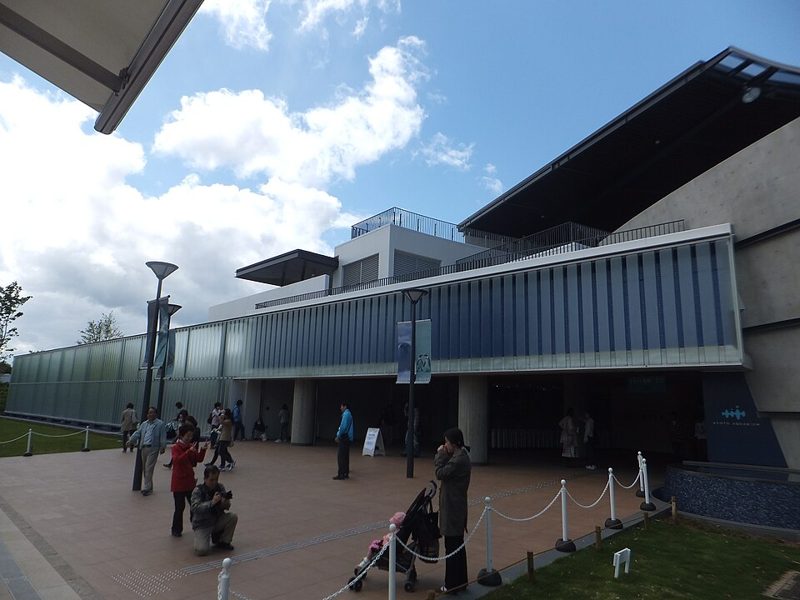
Kyoto Aquarium opened on March 14, 2012, as Kyoto City's first large-scale inland aquarium. By its tenth anniversary in March 2022, it had welcomed more than 12 million visitors. Its exhibits explore the connections between water and living things, from the Japanese giant salamander of Kyoto's rivers to Cape penguins, seals, dolphins, jellyfish and the aquatic environments of Kyoto's coast.
Kyochika's take
Kyochika recommends beginning with the Kyoto River exhibit rather than heading immediately for the larger marine tanks. The giant salamander provides a distinctive introduction to the aquatic environments of Kyoto, making the later transition to seals, penguins and marine species more meaningful.
Families and visitors interested in animal behavior can use the aquarium's official daily program calendar to plan around feeding sessions and dolphin activities. We suggest allowing time to compare the underwater penguin viewing area with the separate land-based exhibit.
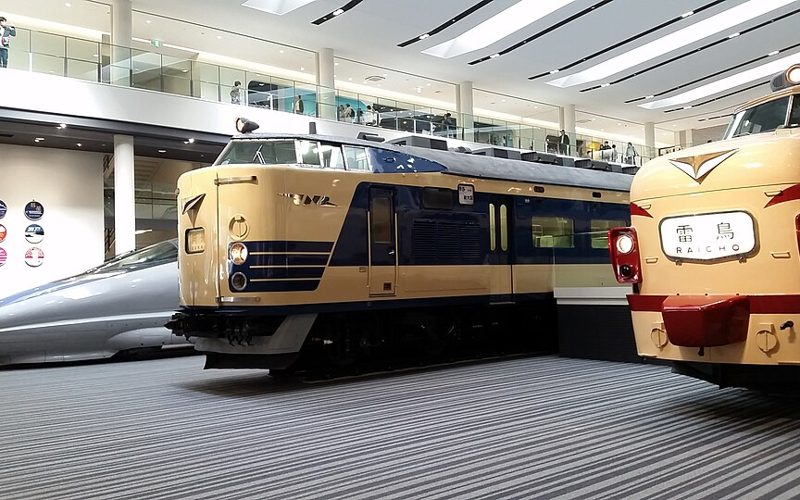
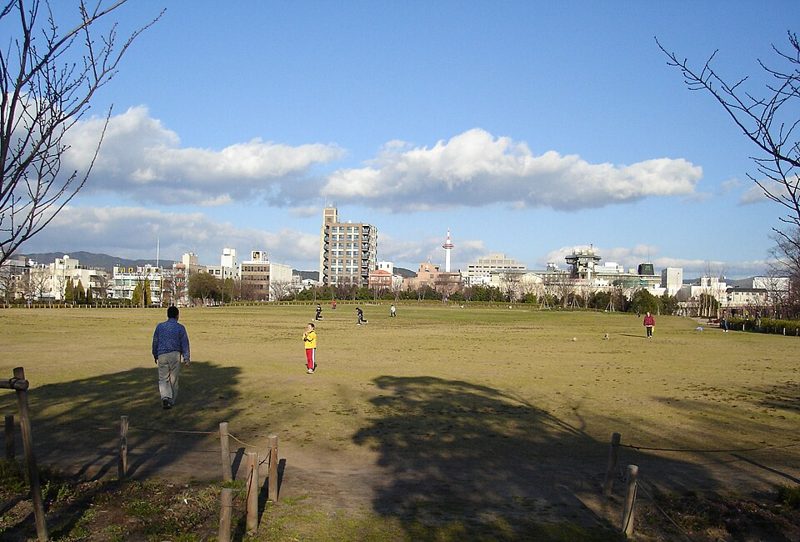
For a broader day in Umekoji, combine the aquarium with the park and Kyoto Railway Museum. The combination offers contrasting perspectives on the area's natural environment and its transportation history.
Hours, admission and access
- Hours
- Hours vary by date. See the official operating calendar at https://www.kyoto-aquarium.com/about/access/. Admission and ticket or annual-pass transactions close one hour before the aquarium closes. Hours may change because of weather conditions.
- Closed
- Open year-round. Admission may be unavailable during aquarium maintenance or special events.
- Admission
- Adults ¥2,600; high school students ¥2,000; elementary and junior high school students ¥1,400; children aged 3 and over ¥900. Annual passes: adults ¥5,800; high school students ¥4,400; elementary and junior high school students ¥3,100; children aged 3 and over ¥2,000.
- Access
- Approximately 15 minutes on foot from Kyoto Station Central Exit, or approximately 7 minutes from JR Umekoji-Kyotonishi Station on the San-in Line.
- Nearest station
- Umekoji-Kyotonishi Station
Checked against official information on 2026-10-28. Details change, so check the official website before you go.
Sources: Kyoto Aquarium — Official Website, Kyoto Aquarium — About, Kyoto Aquarium — Hours and Access, Kyoto Aquarium — Admission, Kyoto Aquarium — Floor Guide, Kyoto Aquarium — Animals, Kyoto Aquarium — FAQ, Kyoto Aquarium — Tenth Anniversary, Kyoto City Official Travel Guide — Umekoji
 Pochikichi's story corner
Why did an inland city build an aquarium?
Kyoto Aquarium opened on March 14, 2012, inside Umekoji Park. Its official tenth-anniversary announcement describes it as Kyoto City's first large-scale inland aquarium. Rather than organizing the entire experience around animals from distant seas, the aquarium adopted a concept centered on the connections between water and life. Kyoto's own rivers and freshwater creatures became part of the institution's identity.
The giant salamander provides the starting point for that story. The aquarium's Kyoto River area introduces one of the world's largest amphibians, while subsequent galleries present seals, penguins and marine ecosystems. The Kyoto Sea tank recreates an environment representing the waters off Kyoto. The relationship between freshwater and marine habitats is therefore built into the visitor route.
The aquarium developed its exhibitions and educational activities after opening. Its official anniversary announcement records a new communication concept introduced in 2018, intended to bring visitors, animals and staff closer together. In July 2020, the institution introduced Jellyfish Wonder during its first major renovation since opening. The project created an expanded opportunity to observe jellyfish in displays designed around their biological characteristics.
In December 2021, the aquarium began AQTION!, a sustainability initiative addressing environmental issues in cooperation with children and the wider community. The tenth-anniversary announcement in March 2022 reported more than 12 million cumulative visitors and described continued work in biodiversity conservation and education. So when you visit, look for the underlying relationship between the opening river exhibits, the marine tanks, the jellyfish displays and the outdoor satoyama landscape.
Sources: Kyoto Aquarium — Tenth Anniversary Announcement, Kyoto Aquarium — Official Floor Guide
Long ago, around hereWhat was Umekoji before the aquarium arrived?
Approximately 1,200 years ago, the area north of present-day Umekoji Park was associated with a state guesthouse known as Kourokan, used to receive diplomatic visitors. Kyoto City's official travel guide identifies this location as an important historical point for the movement of people. A commemorative stone monument stands near the San-in railway tracks. This history concerns the surrounding Umekoji district; it does not establish that the guesthouse occupied the aquarium's exact footprint.
The district subsequently developed strong associations with trade, distribution and rail transportation. Kyoto City's guide describes the nearby Kyoto City Central Wholesale Market and the historic railway facilities of Umekoji. Sumiya preserves a surviving example of ageya architecture associated with the former Shimabara district. These landmarks show that Umekoji's identity extends beyond its present recreational attractions. Today's aquarium occupies a neighborhood where receiving visitors, moving goods and connecting people have long been important themes.
Hidden highlights
- Kyoto River
- The first exhibition area introduces the Japanese giant salamander. Study its distinctive body shape before continuing to the aquarium's marine environments.
- Seal Tube
- The seal exhibit includes a tube-shaped tank. Its vertical arrangement provides a different perspective on the animals' movements from conventional horizontal viewing windows.
- Penguin Cave
- The first-floor underwater viewing area lets visitors observe penguins swimming. Compare the underwater view with the second-floor penguin exhibit.
- Jellyfish Wonder
- Approximately 30 kinds of jellyfish are displayed in tanks suited to their characteristics. Look for differences in body form and movement rather than treating the displays as a single installation.
- Sanshi Suimei
- This second-floor area introduces freshwater creatures living in Kyoto, including rare species facing extinction. It brings the aquarium's attention back to the region's local aquatic environments.
- Kyoto Satoyama
- The outdoor area recreates a traditional Kyoto rural landscape with waterways and rice paddies. It shows how aquatic habitats can form part of a landscape shaped by human activity.
Sources: Kyoto Aquarium — Official Floor Guide
The giant salamander as Kyoto's aquatic ambassador
The Japanese giant salamander is central to Kyoto Aquarium's identity. The aquarium's official anniversary account identifies the species as an animal inhabiting Kyoto's Kamo River, while its floor guide places the species in the first exhibit encountered after admission. This choice introduces the local environment before visitors reach the aquarium's marine animals.
The aquarium's anniversary announcement also describes educational and conservation efforts connected with giant salamanders and Kyoto's biodiversity. For travelers, the exhibit offers a way to connect the animals on display with the rivers and natural environments associated with the region.
Sources: Kyoto Aquarium — Tenth Anniversary Announcement, Kyoto Aquarium — Floor Guide
How Jellyfish Wonder changed the aquarium
Jellyfish Wonder opened in July 2020 as part of the aquarium's first large-scale renovation. The tenth-anniversary announcement describes the expansion as an opportunity to communicate the characteristics of jellyfish and the results of the aquarium's breeding and husbandry work.
The current floor guide describes displays of approximately 30 kinds of jellyfish in tanks suited to their biology. Visitors can treat the gallery as an exercise in close observation: differences in shape, drifting movement and swimming behavior become more noticeable when the tanks are compared.
Sources: Kyoto Aquarium — Tenth Anniversary Announcement, Kyoto Aquarium — Floor Guide
How to walk it
- Kyoto River — Begin with the giant salamander and the aquarium's introduction to Kyoto's freshwater environments. (15 min)
- Fur Seals and Seals — Compare the different viewing tanks, including the tube-shaped seal enclosure. (15 min)
- Penguin Cave — Observe the penguins swimming from the underwater viewing area. (10 min)
- Kyoto Sea — Study the large aquarium representing Kyoto's marine environment. (15 min)
- Penguins — Continue upstairs to see Cape penguins in the separate land-based area. (15 min)
- Jellyfish Wonder — Compare the different jellyfish species and their tank environments. (20 min)
- Mitette — Look at the coral-reef organisms and educational displays. (15 min)
- Dolphin Stadium — Observe the dolphins and consult the daily schedule for programmed activities. (20 min)
- Sanshi Suimei — Return to Kyoto's local freshwater wildlife and threatened species. (10 min)
- Kyoto Satoyama — Finish with the outdoor landscape, waterways and rice paddies. (10 min)
All durations are Kyochika estimates, not official viewing times. Activities and feeding programs should be checked against the aquarium's date-specific schedule. The order follows the main exhibit sequence described in the official floor guide.
Sources: Kyoto Aquarium — Floor Guide, Kyoto Aquarium — Hours and Access
Through the seasons
- Spring
- Kyochika suggests pairing the aquarium with a walk through Umekoji Park and checking the aquarium's current exhibition program.
- Summer
- Focus on indoor exhibits during hot weather, while allowing for outdoor conditions at the dolphin stadium and Kyoto Satoyama.
- Autumn
- Combine the animal exhibits with the surrounding park and any seasonal aquarium programs listed on the official calendar.
- Winter
- Use the indoor aquarium galleries as part of a weather-flexible itinerary. Confirm the date-specific operating hours.
Getting there by taxi or bus
- Taxi
- Kyoto Aquarium, 35-1 Kankiji-cho, Shimogyo Ward, inside Umekoji Park. The aquarium states that it has no dedicated vehicle drop-off area.
- Bus
- From Kyoto Station, Kyoto City Bus routes 205, 208 and 86 depart from platform B3 for Shichijo Omiya Kyoto Suizokukan-mae (七条大宮・京都水族館前). Route 206 departs from platform A3, and routes 33 and Special 33 depart from platform C5.
- Other
- JR San-in Line to Umekoji-Kyotonishi Station, approximately 7 minutes on foot. Kyoto Station Central Exit is approximately 15 minutes away on foot.
Sources: Kyoto Aquarium — Hours and Access
Pair it with
- Kyoto Railway Museum — Continue exploring Umekoji's railway and transportation heritage. (Walking time not verified min walk)
- Umekoji Park — Explore the surrounding park after visiting the aquarium. (The aquarium is inside the park min walk)
- Sumiya — Learn about a surviving historic building associated with the former Shimabara district. (Walking time not verified min walk)
Good to know before you go
- The official website offers English, simplified Chinese, traditional Chinese and Korean language options.
- The aquarium is open year-round, although admission may be suspended for maintenance or events.
- Opening hours vary by date and may change because of weather conditions.
- Admission and ticket or annual-pass purchases close one hour before closing.
- High school students must show their student identification when purchasing the corresponding ticket.
- Visitors presenting qualifying disability certificates and one accompanying person receive half-price general admission under the aquarium's stated conditions.
- Annual passes are available in separate price categories.
- Advance tickets are offered through the official website.
- The aquarium has no dedicated visitor parking or vehicle drop-off area.
- Kyoto Satoyama is outdoors.
- Check the daily program calendar before planning around dolphin activities or animal feeding sessions.
- The official floor guide identifies cafes near the seal exhibit, dolphin stadium and Sanshi Suimei area.
Next stop: book for later today PR
Tickets and experiences in Kyoto you can book on Klook. Filter by “Today” to see what is still open.
Kimono rental in Kyoto→Tea ceremony experiences in Kyoto→Kyoto one-day sightseeing tours→All things to do in Kyoto on Klook →Compare on GetYourGuide: Kimono rental in Kyoto · Tea ceremony experiences in Kyoto · Kyoto one-day sightseeing tours
Ad: Klook and GetYourGuide affiliate links.
🍜 Where to eat after
Restaurants near here on Google Maps→Many restaurants in Kyoto take reservations, and some are cash only. Check the restaurant page before you go.
Events nearby
Festival & seasonal event
Umekoji Park Autumn Leaves Festival (Suzaku Garden Light-Up)
Umekoji Park, Suzaku Garden (Umekoji-Kyotonishi Sta.)
Nov 13 (Fri) – Nov 29 (Sun) 17:00 – 21:00
The maples and pines of Suzaku Garden, the Japanese garden in Umekoji Park, are lit up at night. The dark pond turns into a mirror for the trees, and a path runs under maples close enough to touch. Last entry is 20:30. Show a same-day ticket stub from Kyoto Aquarium, Kyoto Railway Museum or VIVA SQUARE KYOTO for 100 yen off.
Details →Festival & seasonal event
Kyoto Railway Museum Special Tour: Experience Everything About the Series 500 Shinkansen!
Kyoto Railway Museum (Umekoji-Kyotonishi Sta.)
Dec 12 (Sat) – Jan 23 (Sat) 09:30 – 10:00
This special tour is held on only two dates: December 12 and January 23. Before the museum opens, join a curator to explore the driver's cab and learn about the pantograph of the Series 500 Shinkansen.
Details →Market
Umekoji Park Handmade Market — November 7
Umekoji Park, Shichijo Entrance Event Plaza (Umekoji-Kyotonishi Sta.)
Nov 7 (Sat) 09:00 – 16:00
The market takes place on November 7 and December 5 during the featured period, not daily. Held rain or shine, this outdoor market features handmade goods sold directly by their creators.
Details →Market
Umekoji Park Handmade Market — December 5
Umekoji Park, Shichijo Entrance Event Plaza (Umekoji-Kyotonishi Sta.)
Dec 5 (Sat) 09:00 – 16:00
The market takes place on November 7 and December 5 during the featured period, not daily. Held rain or shine, this outdoor market features handmade goods sold directly by their creators.
Details →Art exhibition
Autumn Special Exhibition: Nanban - Memories of Kyoto Where Foreign Cultures Met
Kyoto Sangyo University Gallery (Musubiwaza-kan, 2F) (Tambaguchi Sta.)
Nov 2 (Mon) – Dec 12 (Sat) 10:00 – 16:30 (details on the official site)
Traces the Portuguese and Spanish 'Nanban' visitors to Japan in the 16th and 17th centuries, East-West exchange, and the ban and persecution of Christianity through historical materials. 2026 marks 450 years since the 'Nanbanji of the capital' (Church of the Assumption) was dedicated in Kyoto in 1576; it was later destroyed under the ban. Part 1 runs Nov 2-22 and Part 2 Nov 25-Dec 12, with some items changed. No parking or bicycle parking at the venue.
Details →Art exhibition
Autumn Exhibition: Fumonji Temple of Higashi-Mikawa at Ryukoku Museum
Ryukoku Museum, Ryukoku University (Kyoto Sta.)
Sep 19 (Sat) – Nov 23 (Mon) Last entry 16:30. Closed Mondays (open on November 23)
Buddhist statues and historical documents from Funakatayama Fumonji, a mountain temple in Toyohashi, Aichi. The exhibition marks the temple's 1,300th anniversary in 2027 and includes late Heian-period statues designated Important Cultural Properties.
Details →
Tips from visitors
Been here? Leave a short tip for the next traveler — in any language. No name, no sign-up.
Thank you! We check every tip by hand and post it within a day or two.
How we post tips: we read every one before it goes up. We remove swear words, insults, ads, links and anything that could identify a person. Tips are shown in the language they were written in, with a translate link. Kyochika never writes or pays for tips, and there are no star ratings.
FAQ
- What is Kyoto Aquarium?
- Kyoto Aquarium opened on March 14, 2012, as Kyoto City's first large-scale inland aquarium. By its tenth anniversary in March 2022, it had welcomed more than 12 million visitors. Its exhibits explore the connections between water and living things, from the Japanese giant salamander of Kyoto's rivers to Cape penguins, seals, dolphins, jellyfish and the aquatic environments of Kyoto's coast.
- Hours at Kyoto Aquarium?
- Hours vary by date. See the official operating calendar at https://www.kyoto-aquarium.com/about/access/. Admission and ticket or annual-pass transactions close one hour before the aquarium closes. Hours may change because of weather conditions.
- Closed at Kyoto Aquarium?
- Open year-round. Admission may be unavailable during aquarium maintenance or special events.
- Admission at Kyoto Aquarium?
- Adults ¥2,600; high school students ¥2,000; elementary and junior high school students ¥1,400; children aged 3 and over ¥900. Annual passes: adults ¥5,800; high school students ¥4,400; elementary and junior high school students ¥3,100; children aged 3 and over ¥2,000.
- Access at Kyoto Aquarium?
- Approximately 15 minutes on foot from Kyoto Station Central Exit, or approximately 7 minutes from JR Umekoji-Kyotonishi Station on the San-in Line.
- What makes Kyoto Aquarium different?
- Its exhibits include the Japanese giant salamander of Kyoto's rivers, a large tank representing Kyoto's marine environment, and an outdoor recreation of a traditional satoyama landscape.
- Is Kyoto Aquarium open every day?
- The official website states that the aquarium is open year-round, although maintenance or events may prevent admission. Opening hours depend on the date.
- Can I walk from Kyoto Station?
- Yes. The aquarium lists approximately 15 minutes on foot from Kyoto Station Central Exit, or approximately 7 minutes from Umekoji-Kyotonishi Station.
- Do I need to check dolphin program times?
- Yes. The official calendar provides date-specific programs. Consult it before organizing your visit around a particular activity.