Temples in Kyoto · Arashiyama / Sagano
Tenryu-ji Temple
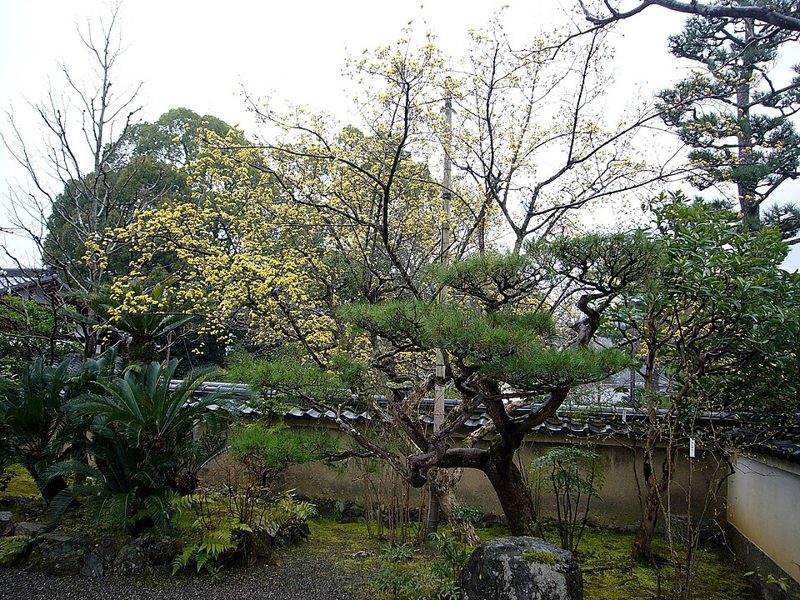
Tenryu-ji was founded in 1339 by Ashikaga Takauji to honor the memory of Emperor Go-Daigo, with whom he had previously been in conflict. Long before the temple existed, this land had been home to an imperial consort's temple and later an emperor's residence. The famous Sogenchi Garden, which incorporates the Arashiyama mountains into its scenery, continues that long relationship between architecture, power, and landscape.
🎧 Free English audio guide: Arashiyama: Bamboo, Poetry, and a Bridge Across Time →Kyochika's take
Enter from the Randen Arashiyama side and begin with Sogenchi Garden. Then visit the Large Hojo and Shoin if the temple buildings are open, and include the Cloud Dragon painting when its exhibition schedule allows. Set aside 45–60 minutes for the garden alone or approximately 1–1.5 hours including the buildings and dragon painting. Afterward, walk toward Kameyama Park and Togetsukyo Bridge to appreciate the landscape that once formed part of Tenryu-ji's extensive grounds.
Hours, admission and access
- Hours
- Garden: 8:30–17:00 (last admission 16:50). Temple buildings: 8:30–16:45 (last admission 16:30). Hatto Dharma Hall Cloud Dragon painting on opening days: 9:00–16:30 (last admission 16:20).
- Admission
- Garden: adults (high school age and older) ¥500; elementary and junior high school students ¥300; preschool children free. Temple buildings: additional ¥300 on top of garden admission. Cloud Dragon painting in the Dharma Hall: separate admission ¥500.
- Reservations
- Parking cannot be reserved and is available on a first-come, first-served basis.
- Access
- Immediately beside Randen Arashiyama. Approximately 13 minutes on foot from JR Saga-Arashiyama or 15 minutes from Hankyu Arashiyama.
- Nearest station
- Arashiyama
Checked against official information on 2026-10-28. Details change, so check the official website before you go.
Sources: Tenryu-ji Official Website: Visiting and Access Information (Japanese), Tenryu-ji Official Website: Cloud Dragon Opening Information (Japanese), Kyoto Prefecture Tourism Federation: Tenryu-ji (Japanese), Tenryu-ji: Geographic Location Data (Japanese)
 Pochikichi's story corner
Why Did Ashikaga Takauji Build a Temple for His Former Rival?
Tenryu-ji was founded in 1339 by Ashikaga Takauji, the military leader who established the Muromachi shogunate. He invited the Zen master Muso Soseki to become its founding abbot. The temple was dedicated to the memory of Emperor Go-Daigo, with whom Takauji had previously been locked in political conflict. Establishing the temple was a way to commemorate and offer prayers for the deceased emperor. The chosen site was the former imperial residence in Sagano, on Kyoto's western outskirts.
Building such a large temple required enormous funds. Although Takauji and Emperor Kogon donated estates, the resources were still insufficient. Takauji's younger brother, Ashikaga Tadayoshi, consulted Muso Soseki and devised a plan to resume trade with China, which had been interrupted since the Mongol invasions, using the profits to finance construction. The combination of a Buddhist memorial project and international maritime trade is one of the most distinctive episodes in Tenryu-ji's history.
The temple's great artistic treasure is Sogenchi Garden. Its composition reflects the principles of a Zen garden while incorporating the Arashiyama mountains behind it as borrowed scenery, visually connecting the grounds with the surrounding landscape. Once you know the history, the mountains no longer seem merely decorative. Arashiyama, Togetsukyo Bridge, and the area now known as Kameyama Park were once included within the temple's much larger grounds. So, when you stand beside Sogenchi Pond, look beyond its surface to the mountains rising behind it and imagine the full extent of the former temple landscape.
Sources: Tenryu-ji Official Website: About the Temple (Japanese), Shokoku-ji Official Website: Historical Chronology (Japanese)
Long ago, around hereWhat Stood Here Before Tenryu-ji?
The history of Tenryu-ji's site stretches back long before the Muromachi period. During the Heian era, Tachibana no Kachiko, the consort of Emperor Saga and commonly known as Empress Danrin, established a Zen temple called Danrin-ji here. After that temple disappeared, retired Emperor Go-Saga constructed a residential palace on the site, and retired Emperor Kameyama later established another imperial residence. In other words, this was a place of imperial religious devotion and daily life before it became a major Zen monastery.
In 1339, Ashikaga Takauji founded Tenryu-ji on the former palace grounds. The temple's territory was once much larger than today, encompassing areas including Arashiyama, Togetsukyo Bridge, and present-day Kameyama Park to the west. Modern travelers tend to see the temple and the bridge as separate attractions, but historically they belonged to one extensive landscape. Sogenchi Pond and the mountains beyond it offer a glimpse of that earlier scale. So, as you walk around Sogenchi Garden, look beyond the temple boundaries toward Kameyama and Arashiyama, once part of this remarkable religious estate.
Sources: Tenryu-ji Official Website: History and Background (Japanese)
Lesser-Known Highlights
- Cloud Dragon Ceiling Painting
- Painted in 1997 by Japanese artist Kayama Matazo, the dragon appears to follow visitors with its gaze as they move around the hall. This effect is known as Happo-nirami, or the Eight-Directional Gaze.
- The Cedar Ceiling of the Dragon Painting
- The ceiling consists of 159 cedar boards, each 3 centimeters thick, joined together and treated with lacquer and white clay. The dragon is painted inside a double circle measuring 9 meters in diameter.
- Suzuki Shonen's Earlier Dragon Painting
- Before the present ceiling painting, the hall contained a dragon painted by Meiji-period artist Suzuki Shonen. Part of the damaged original has been preserved.
- Sogenchi Garden
- The garden incorporates the mountains of Arashiyama as borrowed scenery. Rather than looking only at the pond, appreciate the composition as a whole, from the temple buildings to the distant slopes.
- Tahoden Hall
- One of the buildings included in the separate temple-building admission route. Together with the Large Hojo and Shoin, it reveals the spatial organization of the Zen temple beyond its celebrated garden.
Sources: Tenryu-ji Official Website: Cloud Dragon Painting (Japanese), Tenryu-ji Official Website: History (Japanese), Tenryu-ji Official Website: Visitor Information (Japanese)
Through the seasons
- Spring
- The Cloud Dragon painting in the Dharma Hall is specially open from March 1 to May 31, 2026.
- Summer
- The Dharma Hall has designated Cloud Dragon viewing days during a special summer opening period.
- Autumn
- The Cloud Dragon painting is specially open from September 19 to December 6, 2026. From November 14 to 30, early-morning admission to Sogenchi Garden begins at 7:30.
- Winter
- In February, a preserved section of Suzuki Shonen's earlier Cloud Dragon painting is displayed to the public in the Large Hojo.
Good to know before you go
- The garden, temple buildings, and Dharma Hall Cloud Dragon painting have separate admission categories and fees.
- Temple buildings may close for religious ceremonies and other events. Partial closures are announced for October 29 and 30, 2026.
- The Cloud Dragon painting is normally open on Saturdays, Sundays, and public holidays, with daily opening periods in spring and autumn. It is closed all day on October 28 and 29, 2026, and until approximately 12:45 on October 30.
- The Cloud Dragon exhibition may be suspended because of typhoons or extreme heat.
Events nearby
Festival & seasonal event
Autumn Special Opening 2026 at Hogonin Temple
Hogonin Temple (Arashiyama Sta.)
Oct 3 (Sat) – Dec 6 (Sun) 09:00 – 17:00
Explore the Shishiku Garden, which incorporates the Arashiyama mountains into its scenery, and wall paintings by artist Noriko Tamura. Last admission to the garden is 4:45 PM; the main hall is open until 4:30 PM.
Details →Art exhibition
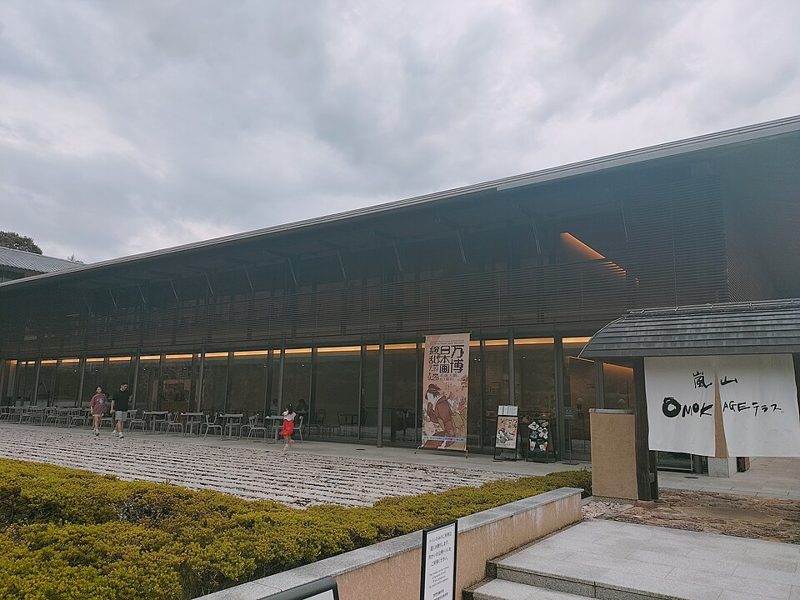
Discover Kyoto Through Art — See More, Enjoy More at Saga Arashiyama Museum of Arts and Culture
Saga Arashiyama Museum of Arts and Culture (Arashiyama Sta.)
Oct 3 (Sat) – Feb 28 (Sun) 10:00 – 17:00
Explore artworks depicting Kyoto's seasonal traditions and culture. Displays change between the first and second exhibition periods, featuring subjects such as geiko and maiko, Kyoto vegetables, and traditional Japanese confectionery wrappers.
Details →Art exhibition
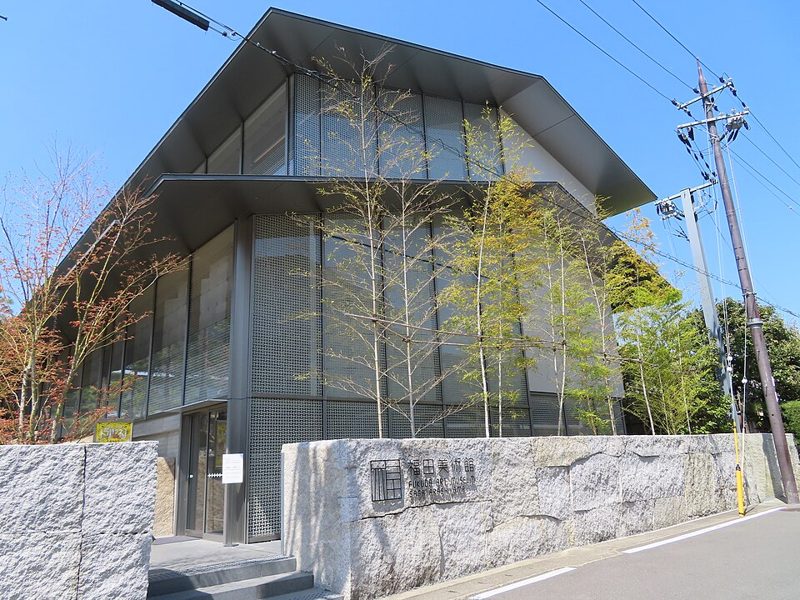
Forms of Love — The Rediscovered Erotic Scroll Chigo Zoshi at Fukuda Art Museum
Fukuda Art Museum (Arashiyama Sta.)
Sep 19 (Sat) – Jan 17 (Sun) 10:00 – 17:00
An exhibition of Japanese art highlighting the erotic illustrated scroll Chigo Zoshi. Visitors under 18 are not permitted. Some works will change between the first and second exhibition periods.
Details →
FAQ
- What is Tenryu-ji Temple?
- Tenryu-ji was founded in 1339 by Ashikaga Takauji to honor the memory of Emperor Go-Daigo, with whom he had previously been in conflict. Long before the temple existed, this land had been home to an imperial consort's temple and later an emperor's residence. The famous Sogenchi Garden, which incorporates the Arashiyama mountains into its scenery, continues that long relationship between architecture, power, and landscape.
- Hours at Tenryu-ji Temple?
- Garden: 8:30–17:00 (last admission 16:50). Temple buildings: 8:30–16:45 (last admission 16:30). Hatto Dharma Hall Cloud Dragon painting on opening days: 9:00–16:30 (last admission 16:20).
- Admission at Tenryu-ji Temple?
- Garden: adults (high school age and older) ¥500; elementary and junior high school students ¥300; preschool children free. Temple buildings: additional ¥300 on top of garden admission. Cloud Dragon painting in the Dharma Hall: separate admission ¥500.
- Reservations at Tenryu-ji Temple?
- Parking cannot be reserved and is available on a first-come, first-served basis.
- Access at Tenryu-ji Temple?
- Immediately beside Randen Arashiyama. Approximately 13 minutes on foot from JR Saga-Arashiyama or 15 minutes from Hankyu Arashiyama.