Art exhibition in Kyoto
Discover Kyoto Through Art — See More, Enjoy More at Saga Arashiyama Museum of Arts and Culture
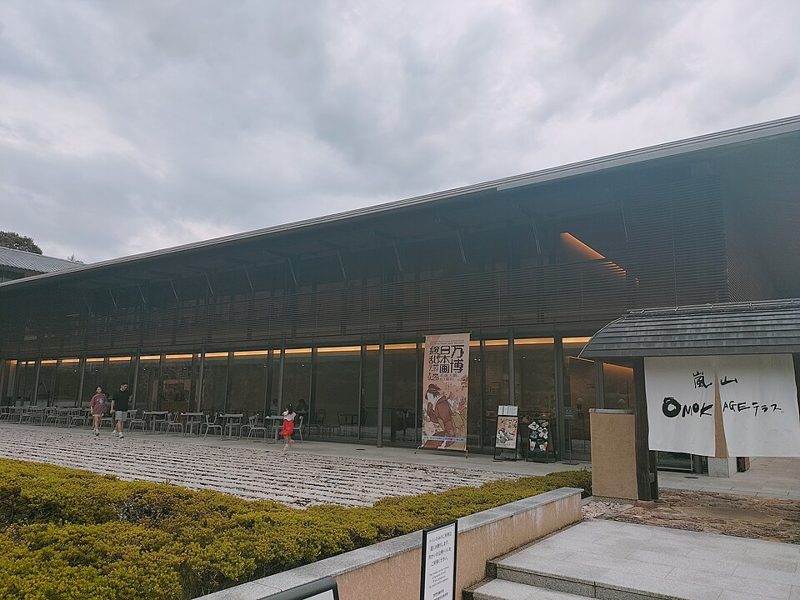
Explore artworks depicting Kyoto's seasonal traditions and culture. Displays change between the first and second exhibition periods, featuring subjects such as geiko and maiko, Kyoto vegetables, and traditional Japanese confectionery wrappers.
- Dates
- Oct 3 (Sat) – Feb 28 (Sun)
- Hours
- 10:00 – 17:00
- Venue
- Saga Arashiyama Museum of Arts and Culture
- Nearest station
- Arashiyama
- Admission
- Adults and university students ¥1,000; high school students ¥600; elementary and junior high school students ¥400; preschool children free
About this event
Even the wrapping paper for traditional Japanese sweets can become a work of art, especially when it was designed by painters such as Tessai Tomioka and Yoson Ikeda. This exhibition explores Kyoto's culture through painting and design, presenting works inspired by subjects closely associated with the city, from geiko and maiko to traditional Kyoto vegetables. The contributions of Tessai Tomioka (1836–1924) and Yoson Ikeda (1895–1988) reveal unexpected connections between fine art and everyday life. Rather than focusing solely on Kyoto's famous temples and landmarks, the exhibition considers how the city's identity appears in ordinary objects and visual traditions. It may change the way you look at familiar details encountered while exploring Kyoto.
Highlights
- Traditional Japanese sweet wrappers featuring designs by Tessai Tomioka
- Confectionery packaging designs created by Yoson Ikeda
- Paintings of geiko and maiko, iconic figures of Kyoto culture
- Works depicting everyday traditions, including Kyoto vegetables
- Good for
- For travelers curious about Kyoto's culture through art, and anyone who enjoys Japanese sweets or traditional Japanese painting.
Good to know before you go
- The first exhibition period runs through December 14, and the second begins on December 16.
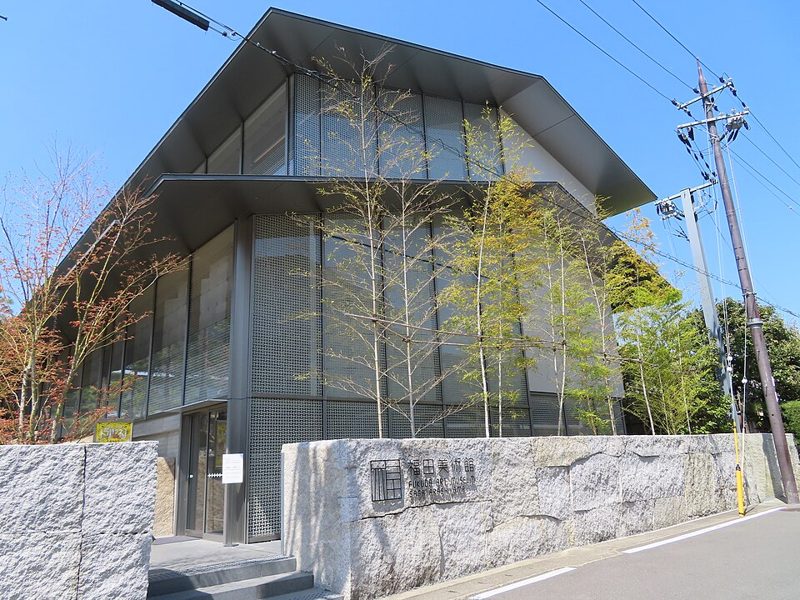
- A combined ticket for Saga Arashiyama Museum of Arts and Culture and Fukuda Art Museum costs ¥2,300 for adults and university students.
- Last admission is at 4:30 PM.
- According to the official information, preschool children enter free. Discounts are available for visitors with disabilities and accompanying caregivers.
 Pochikichi's story corner
Why Can Japanese Sweet Wrappers Be Considered Art?
Kyoto is home to numerous long-established confectionery shops. For generations, care has gone into not only the sweets themselves but also the paper used to wrap them. This exhibition examines those wrappers as objects of artistic design.
Particularly fascinating is the involvement of painters such as Tessai Tomioka (1836–1924) and Yoson Ikeda (1895–1988) in designing confectionery packaging. Their artistry was not confined to framed paintings or folding screens. It also found its way into practical objects used to wrap products sold in everyday life.
Such ordinary objects offer important clues to understanding Kyoto's culture. Just as geiko, maiko, and Kyoto vegetables have inspired painters, the packaging of traditional sweets expresses the aesthetic sensibilities of the city.
Looking at art without separating it from everyday life can transform the way you see Kyoto. The next time you encounter wrapping paper from a traditional confectionery shop, take a closer look at the artistic decisions contained within that small piece of paper.
Sources: Kyoto City Official Travel Guide — Kyoto Tourism Navi (Japanese)
Long ago, around hereWho Came to Arashiyama to Enjoy Culture in Earlier Times?
Saga-Arashiyama has long been a favorite destination for aristocrats and people involved in the arts. According to the official information provided by the Saga Arashiyama Museum of Arts and Culture, this area is also traditionally associated with the creation of the Hyakunin Isshu, a celebrated collection of Japanese poetry.
The Hyakunin Isshu conveys aspects of Japanese history and the changing seasons through classical waka poetry. Today, the Saga Arashiyama Museum of Arts and Culture introduces visitors to this literary heritage while also holding exhibitions of Japanese painting. The same neighborhood offers both the scenic beauty of Arashiyama's mountains and rivers and opportunities to discover its literary and artistic traditions.
When exploring Arashiyama, enjoy the scenery around Togetsukyo Bridge, but also look for the traces of Hyakunin Isshu poetry that connect this landscape with centuries of Japanese culture.
Sources: Kyoto Tourism Federation — Saga Arashiyama Museum of Arts and Culture (Japanese)
FAQ
- What is Discover Kyoto Through Art — See More, Enjoy More at Saga Arashiyama Museum of Arts and Culture?
- Even the wrapping paper for traditional Japanese sweets can become a work of art, especially when it was designed by painters such as Tessai Tomioka and Yoson Ikeda. This exhibition explores Kyoto's culture through painting and design, presenting works inspired by subjects closely associated with the city, from geiko and maiko to traditional Kyoto vegetables. The contributions of Tessai Tomioka (1836–1924) and Yoson Ikeda (1895–1988) reveal unexpected connections between fine art and everyday life. Rather than focusing solely on Kyoto's famous temples and landmarks, the exhibition considers how the city's identity appears in ordinary objects and visual traditions. It may change the way you look at familiar details encountered while exploring Kyoto.
- When is Discover Kyoto Through Art — See More, Enjoy More at Saga Arashiyama Museum of Arts and Culture?
- From Oct 3 (Sat) to Feb 28 (Sun), 2027.
- What are the opening hours?
- 10:00 – 17:00
- How much does it cost?
- Adults and university students ¥1,000; high school students ¥600; elementary and junior high school students ¥400; preschool children free
- Where is it and what is the nearest station?
- Saga Arashiyama Museum of Arts and Culture. The nearest station is Arashiyama.
More in Kyoto
Festival & seasonal event
Autumn Special Opening 2026 at Hogonin Temple
Hogonin Temple (Arashiyama Sta.)
Oct 3 (Sat) – Dec 6 (Sun) 09:00 – 17:00
Explore the Shishiku Garden, which incorporates the Arashiyama mountains into its scenery, and wall paintings by artist Noriko Tamura. Last admission to the garden is 4:45 PM; the main hall is open until 4:30 PM.
Details →Art exhibition
Forms of Love — The Rediscovered Erotic Scroll Chigo Zoshi at Fukuda Art Museum
Fukuda Art Museum (Arashiyama Sta.)
Sep 19 (Sat) – Jan 17 (Sun) 10:00 – 17:00
An exhibition of Japanese art highlighting the erotic illustrated scroll Chigo Zoshi. Visitors under 18 are not permitted. Some works will change between the first and second exhibition periods.
Details →Art exhibition
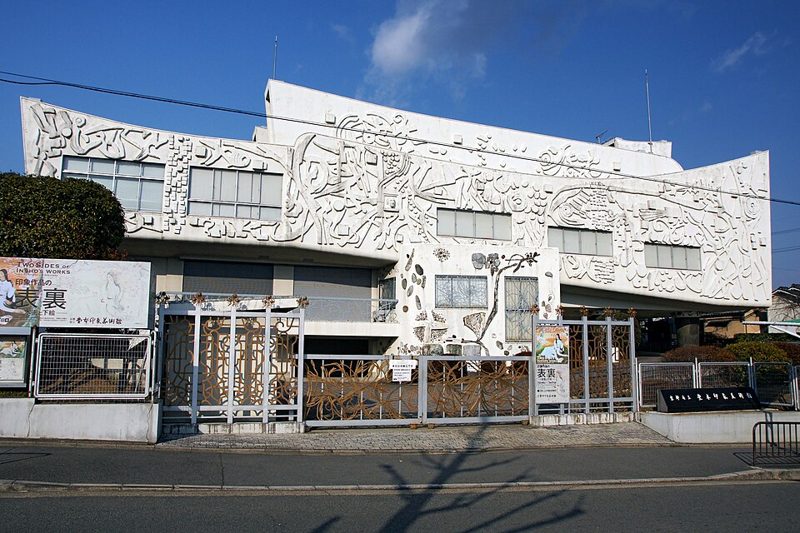
60th Anniversary Special Exhibition II: The Muses Who Modeled for Insho Domoto
Insho Domoto Museum of Fine Arts (Kitano-Hakubaicho Sta.)
Oct 15 (Thu) – Dec 20 (Sun) 09:30 – 17:00
A special exhibition celebrating the museum's 60th anniversary, exploring depictions of women that artist Insho Domoto pursued throughout his career.
Details →Market
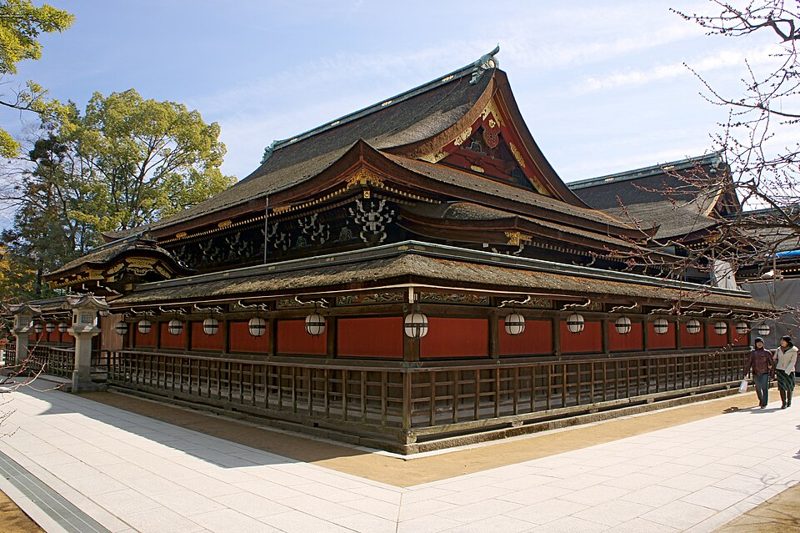
Shimai Tenjin: Year-End Tenjin Market at Kitano Tenmangu
Kitano Tenmangu Shrine (Kitano-Hakubaicho Sta.)
Dec 25 (Fri) From 7:00 AM (closing time: please check with the organizer)
The market held on the 25th of every month closes the year on December 25. Known as Shimai Tenjin, it fills the shrine grounds with stalls of antiques, old tools and vintage clothing.
Details →Festival & seasonal event
Maple Garden at the Historic Odoi Earthworks: Autumn Illumination at Kitano Tenmangu Shrine
Kitano Tenmangu Shrine, Odoi Maple Garden (Kitano-Hakubaicho Sta.)
Nov 13 (Fri) – Dec 6 (Sun) Sunset–8:00 PM (last admission 7:40 PM)
Around 350 maple trees color the historic Odoi earthworks built by Toyotomi Hideyoshi. Illumination runs from sunset until 8:00 PM, with last admission at 7:40 PM. Admission includes a sweet inspired by the historic Kitano Grand Tea Gathering.
Details →Market
Sweet Treats Fair Honoring Buddhist Monk Ganjin at Mibu-dera Temple Grounds
Mibu-dera Temple Grounds (Omiya Sta.)
Nov 7 (Sat) – Nov 8 (Sun) 10:00 – 16:00
Held rain or shine, with approximately 25 vendors taking part on both days.
Details →