Shrines in Kyoto · Sagano, Ukyo Ward, Kyoto
Nonomiya Shrine
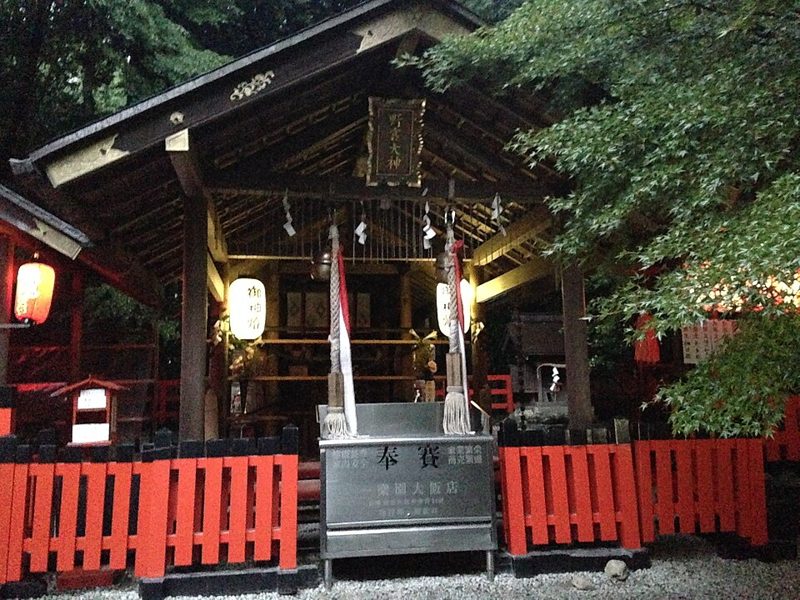
An imperial princess once prepared for sacred service at Ise Grand Shrine on the site now occupied by Nonomiya Shrine. According to the shrine's official history, Princess Ninshi, daughter of Emperor Saga, was the first imperial priestess to use this location during the early Heian period. The shrine retains an unusually old form of torii made from unstripped oak, while its sacred enclosure is remembered in the Sakaki chapter of The Tale of Genji.
Kyochika's take
Kyochika recommends Nonomiya Shrine to travelers interested in Japanese court literature, women's roles in imperial religious traditions, and the relationship between sacred architecture and the surrounding landscape. Its importance lies less in the size of its buildings than in the historical purpose of the enclosed ground.
Consider visiting before exploring the wider Sagano district. Spend a little time examining the bark-covered torii, the brushwood fence, and the smaller sanctuaries before returning to the surrounding walking routes.
Readers of The Tale of Genji may find the visit especially rewarding. The shrine's historical function provides context for a literary scene in which religious duty and personal attachment meet.
Hours, admission and access
- Hours
- 9:00 AM–5:00 PM. Reception closes at 4:30 PM. Source: Kyoto City School Trip Guide.
- Closed
- Open daily, according to Kyoto City School Trip Guide.
- Admission
- General admission fee not specified on the official pages consulted. Formal prayers and ceremonies have separate offerings.
- Access
- 10 minutes on foot from JR Saga-Arashiyama Station or Keifuku Railway Arashiyama Station. 3 minutes on foot from the Kyoto City Bus Nonomiya stop or Kyoto Bus Nonomiya stop. Source: Kyoto City School Trip Guide.
- Nearest station
- JR Saga-Arashiyama Station / Randen Arashiyama Station
Checked against official information on 2026-10-28. Details change, so check the official website before you go.
Sources: Nonomiya Shrine — Official Website, Nonomiya Shrine — Official History, Nonomiya Shrine — Official Worship Instructions, Kyoto City School Trip Guide — Nonomiya Shrine
 Pochikichi's story corner
Why did imperial princesses purify themselves at Nonomiya before traveling to Ise?
Nonomiya Shrine preserves the memory of a religious institution closely connected to Japan's imperial household. In earlier times, a woman selected from the imperial family served as Saio, an imperial representative undertaking sacred duties at Ise Grand Shrine. Before departing for Ise, she underwent purification at a specially designated place called a nonomiya. This was not an ordinary residence. It was a sacred enclosure associated with preparation for religious service, and its boundaries marked the separation between everyday court life and the responsibilities awaiting the selected princess.
The shrine's official history explains that the location of the purification residence was determined with each imperial accession. Nonomiya was therefore not originally a permanently fixed institution in the modern sense. The first princess associated with the present Sagano site was Princess Ninshi, daughter of Emperor Saga, during the early Heian period. The shrine describes the original sacred ground as enclosed by a dark wooden torii and brushwood fences. These details matter because they connect the present-day precinct with the forms of enclosure once used for imperial purification.
The Saio institution ultimately disappeared amid the conflicts of the Northern and Southern Courts during the reign of Emperor Go-Daigo. Nonomiya nevertheless continued as a shrine. Its official history records that imperial ceremonies were performed there after the older institution ended, although the shrine subsequently declined during periods of political disorder. Emperors Go-Nara and Nakamikado are among the imperial figures named in the shrine's account of efforts to protect and preserve the site.
Nonomiya's literary identity is inseparable from this religious history. The Sakaki chapter of The Tale of Genji depicts the sacred setting, while Kyoto City's educational tourism guide identifies the shrine as the location of a meeting between Hikaru Genji and Lady Rokujo. The story gives emotional meaning to a place already associated with separation and preparation for sacred duty. So when you visit, look for the bark on the entrance torii and the construction of the brushwood fence: these small architectural details are central to understanding why Nonomiya occupies such a distinctive place in Kyoto's cultural memory.
Sources: Nonomiya Shrine — Official History, Nonomiya Shrine — Official Website, Kyoto City School Trip Guide — Nonomiya Shrine
Long ago, around hereWhat did this sacred place mean before Sagano became a sightseeing destination?
During the early Heian period, the Sagano location served a role in the imperial religious system. The shrine's official history identifies Princess Ninshi, daughter of Emperor Saga, as the first imperial priestess to use the present site. Kyoto City's educational guide explains that the purification process involved an unmarried imperial princess remaining in the sacred enclosure before traveling to Ise. The shrine stood within a wider landscape connected to the imperial capital, but its immediate purpose was religious rather than recreational. The surviving descriptions emphasize the entrance torii and surrounding fences, giving visitors identifiable features through which to understand the earlier sacred setting.
The precinct's function changed after the Saio institution disappeared during the Northern and Southern Courts period. Nonomiya continued as a shrine, received imperial attention, and survived periods of decline. Its association with The Tale of Genji and the Nonomiya Noh play preserved another dimension of its cultural importance. The shrine's official history does not provide sufficient evidence to reconstruct the exact arrangement of buildings on this spot approximately 400 or 150 years ago. Rather than imagining undocumented structures, visitors can understand the present place through the religious institution it commemorates, the literary traditions connected to it, and the distinctive entrance architecture that the shrine continues to maintain.
Sources: Nonomiya Shrine — Official History, Kyoto City School Trip Guide — Nonomiya Shrine
Hidden highlights
- Kuroki Torii
- The shrine describes this bark-covered torii as preserving Japan's oldest style of shrine gate. Its timber is kunugi oak, used without removing the bark.
- Koshigaki Fence
- The shrine's official explanation identifies kuromoji wood as the material used for the brushwood fence. Look at the natural construction rather than expecting a conventional plaster or stone boundary.
- Kame-ishi Sacred Stone
- The shrine explains that visitors may touch this sacred stone while making a wish. It forms the final part of the worship sequence described in the official visiting instructions.
- Nonomiya Daikokuten
- This deity is associated with favorable relationships and marriage. The shrine specifically directs worshippers seeking these blessings to this sanctuary.
- Shirafuku Inari Daimyojin
- According to the shrine's worship instructions, this deity is associated with prayers for children and safe childbirth.
- The Sacred Boundary
- Examine the entrance torii and brushwood fence together. The shrine explains that this combination of architectural elements also appears in the sacred enclosure used for the imperial Daijosai ceremony.
Sources: Nonomiya Shrine — Official Website, Nonomiya Shrine — Official History, Nonomiya Shrine — Worship Instructions
What makes Nonomiya important in The Tale of Genji?
The Sakaki chapter of The Tale of Genji places Nonomiya within a story of courtly relationships and religious obligation. Kyoto City's educational tourism guide identifies a scene in which Hikaru Genji visits Lady Rokujo at Nonomiya. The encounter takes place against the background of the imperial priestess institution, giving the setting a significance beyond that of an ordinary residence.
The shrine's official history specifically names The Tale of Genji and the Nonomiya Noh play as important cultural associations. For a literary visitor, the entrance gate and sacred enclosure provide a way of connecting the written setting with a surviving place. Kyochika suggests reading the Sakaki chapter before visiting and considering how the boundary of a religious precinct changes the meaning of a personal encounter.
Sources: Nonomiya Shrine — Official History, Kyoto City School Trip Guide — Nonomiya Shrine
Why does the shrine ask visitors to touch a stone after praying?
Nonomiya's official worship instructions describe a sequence beginning with a bow at the torii, followed by purification at the handwashing basin and worship at the main sanctuary. Visitors are then directed to the subsidiary shrines before finishing their prayers at Okame-ishi, the sacred stone. The shrine's main website explains that touching the stone while praying is associated with the fulfillment of wishes.
The custom is part of religious practice rather than a guaranteed outcome. Visitors who wish to participate can follow the shrine's published instructions, while those who prefer simply to observe can learn about the same sequence without touching the stone. Understanding the order gives the sacred object a clearer place within the shrine's devotional traditions.
Sources: Nonomiya Shrine — Official Worship Instructions, Nonomiya Shrine — Official Website
How to walk it
- Shrine entrance — Begin by examining the distinctive Kuroki Torii and bow before entering, as instructed by the shrine. (3 min min)
- Koshigaki fence — Look at the natural wood construction and consider the role of the enclosure in imperial purification. (3 min min)
- Purification basin — Cleanse your hands according to the shrine's instructions. The shrine asks visitors to omit mouth rinsing to conserve water. (2 min min)
- Main sanctuary — Offer prayers using the shrine's prescribed sequence of two bows, two claps, and one final bow. (5 min min)
- Subsidiary sanctuaries — Visit Nonomiya Daikokuten and Shirafuku Inari Daimyojin, noting their different religious associations. (5 min min)
- Okame-ishi — Finish at the sacred stone, following the shrine's instructions if you wish to make a prayer. (3 min min)
- Exit through the torii — Bow again when leaving the sacred precinct. (2 min min)
All route durations are Kyochika estimates, not official visiting times. The sequence of worship follows the shrine's published instructions.
Sources: Nonomiya Shrine — Worship Instructions
Through the seasons
- Spring
- Kyochika suggests combining the shrine's historical features with a walk through the surrounding Sagano area.
- Summer
- Pay particular attention to the contrast between the natural wooden shrine enclosure and the surrounding vegetation.
- Autumn
- The shrine can be included in a wider autumn itinerary through Sagano. Kyoto City's guide identifies the surrounding grounds as part of the historic atmosphere of the site.
- Winter
- Focus on the entrance architecture, sacred stone, and literary history rather than expecting a specific seasonal attraction.
Getting there by taxi or bus
- Taxi
- Request Nonomiya Shrine in Sagano, Ukyo Ward. Kyoto City's guide states that the shrine has no parking lot.
- Bus
- Kyoto City Bus: Nonomiya (野々宮), approximately 3 minutes on foot. Kyoto Bus: Nonomiya (野の宮), approximately 3 minutes on foot.
- Other
- JR Saga-Arashiyama Station: approximately 10 minutes on foot. Keifuku Railway Arashiyama Station: approximately 10 minutes on foot.
Sources: Kyoto City School Trip Guide — Access Information
Pair it with
- Sagano — Extend the shrine visit into the surrounding district, which the shrine itself identifies as an important walking area. (Walking time depends on the chosen destination. min walk)
- JR Saga-Arashiyama Station — Use the station as an arrival or departure point when combining the shrine with railway sightseeing. (10 min, official city guide min walk)
- Keifuku Railway Arashiyama Station — Combine the shrine with travel on the Randen railway. (10 min, official city guide min walk)
Good to know before you go
- Kyoto City's School Trip Guide lists visiting hours as 9:00 AM–5:00 PM, with reception closing at 4:30 PM.
- The same city guide lists the shrine as open daily and states that no parking is available.
- Bow before entering and after leaving through the torii.
- Use the handwashing basin to purify your hands. The shrine requests that visitors omit mouth rinsing for water-conservation reasons.
- At the main sanctuary, the official worship procedure is two bows, two claps, and one final bow.
- The shrine recommends advance arrangements for formal worship because other religious duties and local events may affect availability.
- The published offering for an initial shrine visit for a child is 5,000 yen.
- The published offering for a prayer against misfortune is 5,000 yen.
- Other formal prayers begin at 3,000 yen.
- The official pages consulted do not confirm general English-language pamphlet availability, photography restrictions, accepted credit cards, or luggage-storage services.
- The formal prayer offerings are separate from any general admission arrangements.
Next stop: book for later today PR
Tickets and experiences in Kyoto you can book on Klook. Filter by “Today” to see what is still open.
Kimono rental in Kyoto→Tea ceremony experiences in Kyoto→Kyoto one-day sightseeing tours→All things to do in Kyoto on Klook →Compare on GetYourGuide: Kimono rental in Kyoto · Tea ceremony experiences in Kyoto · Kyoto one-day sightseeing tours
Ad: Klook and GetYourGuide affiliate links.
🍜 Where to eat after
Restaurants near here on Google Maps→Many restaurants in Kyoto take reservations, and some are cash only. Check the restaurant page before you go.
Events nearby
Festival & seasonal event
Autumn Special Opening 2026 at Hogonin Temple
Hogonin Temple (Arashiyama Sta.)
Oct 3 (Sat) – Dec 6 (Sun) 09:00 – 17:00
Explore the Shishiku Garden, which incorporates the Arashiyama mountains into its scenery, and wall paintings by artist Noriko Tamura. Last admission to the garden is 4:45 PM; the main hall is open until 4:30 PM.
Details →Festival & seasonal event
Arashiyama Tsukitouro: Bamboo Grove Light-up
Arashiyama Bamboo Grove Path (Arashiyama Sta.)
Sep 30 (Wed) – Nov 8 (Sun) 18:00 – 21:00
A lantern-lit night walk along about 1 km of paths, including the famous bamboo grove. Every date sold out last year. Last entry 8:40 PM; open daily, canceled in stormy weather.
Details →Art exhibition
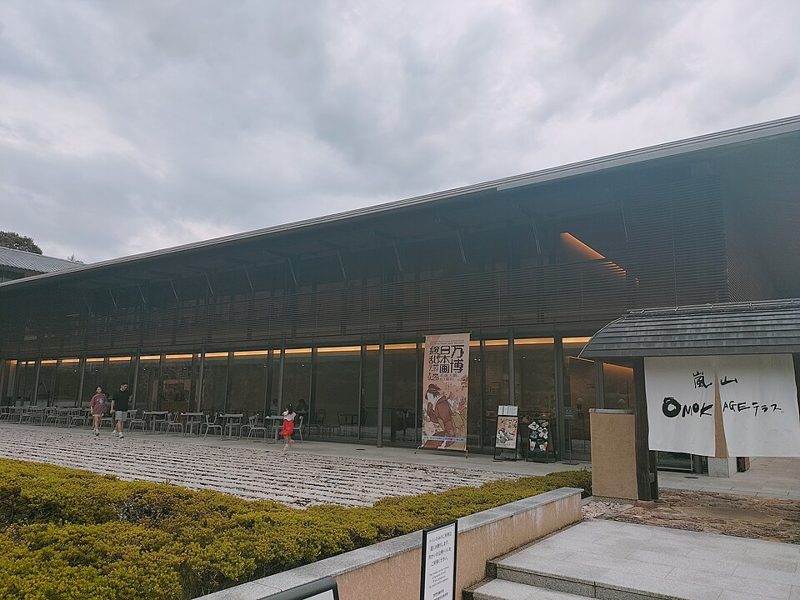
Discover Kyoto Through Art — See More, Enjoy More at Saga Arashiyama Museum of Arts and Culture
Saga Arashiyama Museum of Arts and Culture (Arashiyama Sta.)
Oct 3 (Sat) – Feb 28 (Sun) 10:00 – 17:00
Explore artworks depicting Kyoto's seasonal traditions and culture. Displays change between the first and second exhibition periods, featuring subjects such as geiko and maiko, Kyoto vegetables, and traditional Japanese confectionery wrappers.
Details →Art exhibition
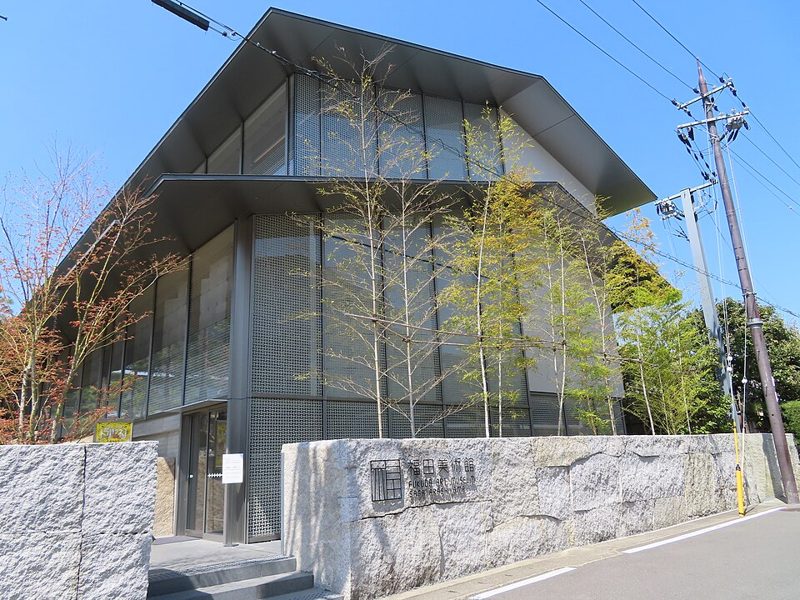
Forms of Love — The Rediscovered Erotic Scroll Chigo Zoshi at Fukuda Art Museum
Fukuda Art Museum (Arashiyama Sta.)
Sep 19 (Sat) – Jan 17 (Sun) 10:00 – 17:00
An exhibition of Japanese art highlighting the erotic illustrated scroll Chigo Zoshi. Visitors under 18 are not permitted. Some works will change between the first and second exhibition periods.
Details →Festival & seasonal event
Sagano Scenic Railway Light Fantasy Train (Autumn Foliage Light-up)
Sagano Scenic Railway (Torokko Saga to Torokko Kameoka) (Saga-Arashiyama Sta.)
Oct 24 (Sat) – Dec 29 (Tue) 16:30 – 19:28
Autumn leaves and mountains along the Hozu Gorge are lit after dark for views from the train windows. The current cars retire on December 29, so this is the last season to ride them. Lights on from the 4:30 PM departure from Torokko Kameoka.
Details →
Tips from visitors
Been here? Leave a short tip for the next traveler — in any language. No name, no sign-up.
Thank you! We check every tip by hand and post it within a day or two.
How we post tips: we read every one before it goes up. We remove swear words, insults, ads, links and anything that could identify a person. Tips are shown in the language they were written in, with a translate link. Kyochika never writes or pays for tips, and there are no star ratings.
FAQ
- What is Nonomiya Shrine?
- An imperial princess once prepared for sacred service at Ise Grand Shrine on the site now occupied by Nonomiya Shrine. According to the shrine's official history, Princess Ninshi, daughter of Emperor Saga, was the first imperial priestess to use this location during the early Heian period. The shrine retains an unusually old form of torii made from unstripped oak, while its sacred enclosure is remembered in the Sakaki chapter of The Tale of Genji.
- Hours at Nonomiya Shrine?
- 9:00 AM–5:00 PM. Reception closes at 4:30 PM. Source: Kyoto City School Trip Guide.
- Closed at Nonomiya Shrine?
- Open daily, according to Kyoto City School Trip Guide.
- Admission at Nonomiya Shrine?
- General admission fee not specified on the official pages consulted. Formal prayers and ceremonies have separate offerings.
- Access at Nonomiya Shrine?
- 10 minutes on foot from JR Saga-Arashiyama Station or Keifuku Railway Arashiyama Station. 3 minutes on foot from the Kyoto City Bus Nonomiya stop or Kyoto Bus Nonomiya stop. Source: Kyoto City School Trip Guide.
- Why is Nonomiya Shrine associated with imperial princesses?
- It preserves the location of a purification residence used by selected imperial women before their service at Ise Grand Shrine. Its official history names Princess Ninshi, daughter of Emperor Saga, as the first such princess associated with the present site.
- Does Nonomiya Shrine appear in The Tale of Genji?
- Yes. The shrine is associated with the Sakaki chapter. Kyoto City's guide identifies a scene involving Hikaru Genji and Lady Rokujo.
- What is unusual about the entrance gate?
- Its wood retains the bark. The shrine identifies the material as kunugi oak and describes the Kuroki Torii as preserving Japan's oldest style of torii.
- How should visitors worship?
- The shrine publishes instructions covering the entrance bow, hand purification, prayer at the main sanctuary, visits to subsidiary shrines, and the sacred stone.