Photos and words are quoted from Reo’s Instagram posts, with Reo’s permission.
Reo
Kyoto Photographer Reo.M · professional photographer and videographer based in Kyoto and Tokyo
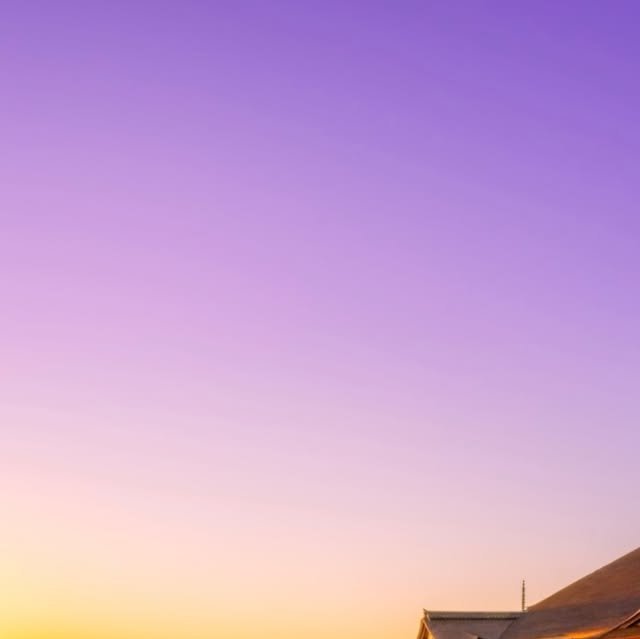
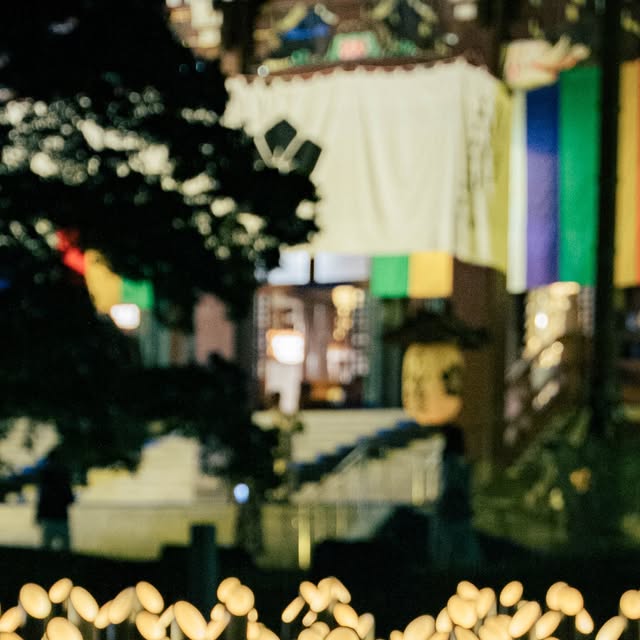
Some places make you
want to stay
a little longer.
(Reo’s Instagram, November 13, 2026)
ABOUT
He knows Kyoto’s best moments
Reo is a professional photographer and videographer based in Kyoto and Tokyo. On @kyotoric, followed by 82,000 people, he captures Kyoto’s famous sights at the time and place they look their best — Kinkaku-ji under a blue sky, autumn maples at Eikan-do and Shinnyo-do, Kiyomizu-dera’s night illumination — and the quiet corners even locals miss.
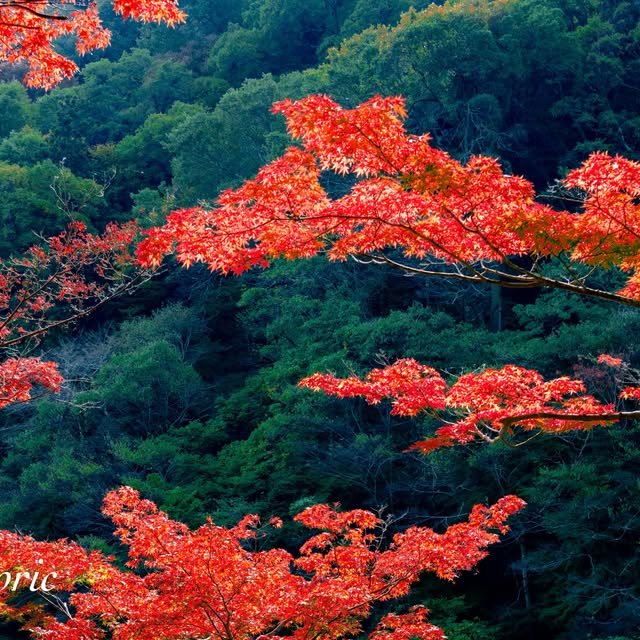
REO’S KYOTO · AUTUMN
Kyoto this autumn, through Reo’s lens
01 Kinkaku-ji (the Golden Pavilion)
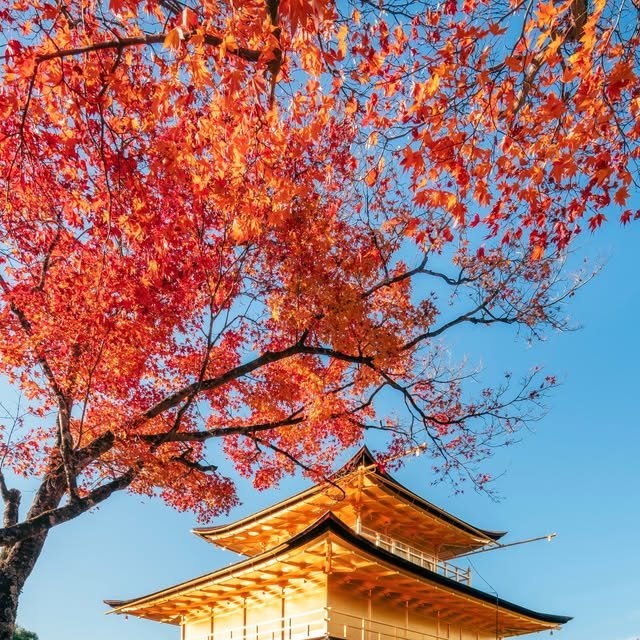
Reo says: “From mid-November to early December, Kyoto’s autumn colors are usually at their best.”
What to see: Originally part of a shogun’s private estate; the golden building reflected in Kyokochi Pond is a 1955 reconstruction after the 1950 fire. View it first across the pond, then follow the garden route (45–60 min).
Kinkaku-ji (the Golden Pavilion): history and how to visit02 Eikan-do (Zenrin-ji)
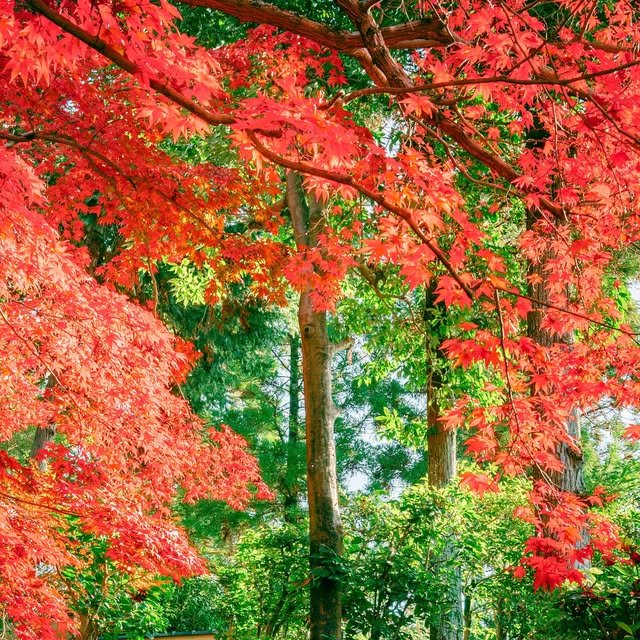
Reo says: “Some places make you want to stay a little longer.”
What to see: Known for its “Mikaeri Amida”, a Buddha statue looking back over its shoulder, and for some of Kyoto’s most famous autumn leaves. Pray at the Amida Hall, then walk the Garyuro corridor and gardens (60–90 min).
Eikan-do (Zenrin-ji): history and how to visit03 Kitano Tenmangu
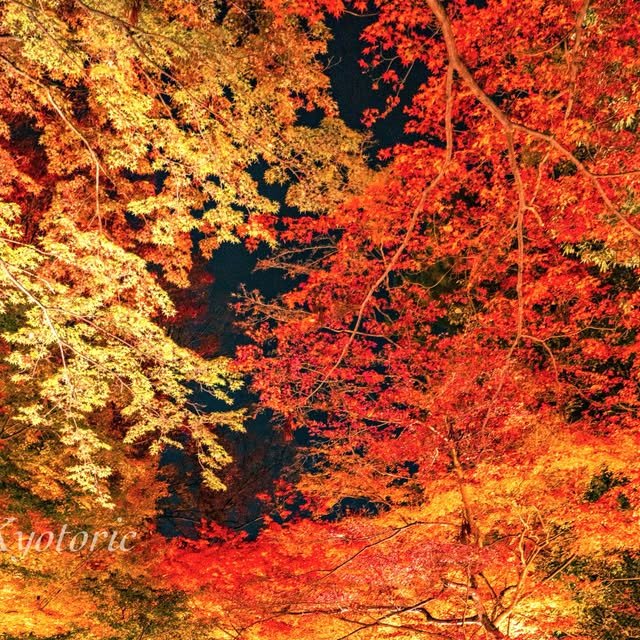
Reo says: “Red maple leaves and golden ginkgo trees bring a little extra magic to the city’s temples.”
What to see: Head shrine of Sugawara no Michizane, god of learning, founded in 947. Its Momiji-en maple garden along the Odoi earthen wall, built by Toyotomi Hideyoshi, opens each autumn (2026: Oct 31–Dec 6, illuminated from Nov 13).
Kitano Tenmangu: history and how to visit04 Kiyomizu-dera
Kiyomizu-dera autumn night illumination (Reo’s video)
Reo says: “About 1,000 illuminated maple trees and the National Treasure stage floating against the night sky — a completely different world from the daytime.”
What to see: The temple is named after the Otowa spring found in 778. Autumn night viewing in 2026 runs Nov 21–30 (until 21:00 last entry).
Kiyomizu-dera: history and how to visitHe also shoots Shinnyo-do at dusk and the maple tunnel on the Eizan Railway.
5 QUESTIONS
Five questions for Reo (answers coming)
Sources: Reo’s Instagram (@kyotoric, @kyotophotographer__) checked November 18, 2026. Sight descriptions from Kyochika’s Kyoto guides.