Shrines in Kyoto · Kamigyo, Northwest Kyoto
Kitano Tenmangu Shrine
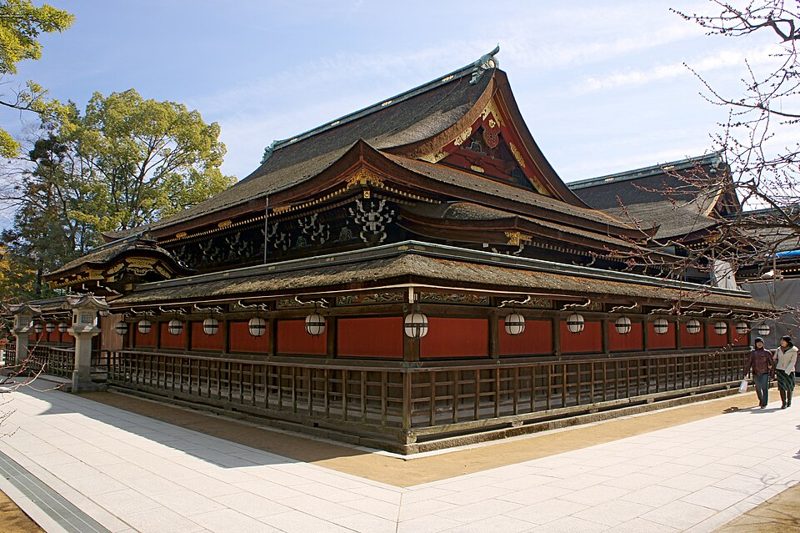
Founded in 947, Kitano Tenmangu is the head shrine of approximately 12,000 Tenmangu and Tenjin shrines dedicated to the scholar Sugawara no Michizane. Its National Treasure main sanctuary was built in 1607 by Toyotomi Hideyori, while the western grounds preserve part of the Odoi earthworks constructed by Toyotomi Hideyoshi in 1591. The shrine remains closely associated with academic achievement, poetry, plum blossoms and the historic cultural life of Kyoto.
Kyochika's take
Kyochika recommends Kitano Tenmangu to travellers interested in the relationship between literature, religious belief and political history. Its story begins with an exiled scholar, but the precinct also preserves important Momoyama-period architecture and traces of Toyotomi Hideyoshi's transformation of Kyoto.
For a seasonal visit, Kyochika suggests the plum garden from February into March, or the maple garden in late autumn. The shrine's official seasonal information gives particularly useful details for planning a visit around these periods.
Instead of walking directly to the main sanctuary and leaving, consider exploring the Sanko-mon Gate, the smaller shrines, the Ema Hall and the western garden. These features reveal how worship, art, education and architecture became connected at Kitano.
Hours, admission and access
- Hours
- Regular shrine gate hours: 7:00-17:00. Sanko-mon Gate closes 30 minutes before the main gate. Shrine office and amulet counter: 9:00-16:30. Prayer reception: 9:00-16:00. During the autumn maple garden illumination period, the shrine's official access page states 9:00-20:00. For 2026, the maple garden opens October 31-December 6, 9:00-16:00, final admission 15:40. Evening illumination runs November 13-December 6, from sunset to 20:00, final admission 19:40.
- Closed
- The official visiting information does not specify a regular weekly closure for ordinary shrine worship. Seasonal gardens and the treasure museum have separate opening schedules.
- Admission
- Ordinary shrine precinct: free. The 2026 autumn maple garden: adults, including junior high school students and older, 1,500 yen; elementary school children 700 yen; preschool children free. Seasonal plum garden and treasure museum admission is separate.
- Access
- Approximately 5 minutes on foot from Kitano-Hakubaicho Station on the Randen Kitano Line. From Kyoto Station, Kyoto City Bus 50 to Kitano Tenmangu-mae. From JR Enmachi Station, Bus 203. From Imadegawa Station, Bus 51 or 203.
- Nearest station
- Kitano-Hakubaicho Station
Checked against official information on 2026-10-28. Details change, so check the official website before you go.
Sources: Kitano Tenmangu - Official Website, Kitano Tenmangu - Official History, Kitano Tenmangu - Precinct Guide, Kitano Tenmangu - Visiting Hours and Access
 Pochikichi's story corner
How did an exiled scholar become a deity of learning?
Sugawara no Michizane was a scholar, poet and statesman who rose through the imperial government during the Heian period. In 899, he was appointed Minister of the Right, serving alongside Fujiwara no Tokihira, the Minister of the Left. His career ended abruptly in 901, when political intrigue resulted in his reassignment to Dazaifu in Kyushu. He died there two years later. The shrine's official history presents his scholarly ability, integrity and political misfortune as central to the growth of his later religious reputation.
Kitano Tenmangu was founded in 947 during the reign of Emperor Murakami, following a divine revelation associated with Michizane's spirit. The location was significant because Kitano stood northwest of the ancient imperial centre, in a direction traditionally considered important for the spiritual protection of the capital. The site already possessed religious associations before the establishment of the shrine. Michizane came to be worshipped as Tenjin, and imperial support helped the institution develop.
In 987, an imperial envoy was sent to the shrine and prayers were offered for the peace of the country. Emperor Ichijo visited personally in 1004. The shrine subsequently received continuing imperial patronage. During the Edo period, the spread of educational institutions known as terakoya encouraged devotion to Michizane as a patron of learning. His image was displayed in classrooms, where students studied reading, writing and arithmetic.
The present main sanctuary dates from 1607, when Toyotomi Hideyori commissioned its construction. The complex is a National Treasure and represents an important surviving example of Momoyama-period shrine architecture. Its connected buildings form a distinctive architectural arrangement associated with the development of gongen-zukuri. So when you visit, look for the elaborate rooflines and decorative elements of the sanctuary, then compare them with the surrounding subsidiary shrines and the Sanko-mon Gate.
Sources: Kitano Tenmangu - Official History, Kitano Tenmangu - Precinct Guide
Long ago, around hereWhat made Kitano sacred before the shrine was established?
Before Kitano Tenmangu was founded in 947, the area was already associated with religious purification and the worship of local deities. The shrine's official history identifies Kitano as the northwestern protective direction of the ancient capital. Rituals associated with imperial succession and purification were conducted in this area. The later establishment of a shrine dedicated to Sugawara no Michizane therefore took place within a landscape that already possessed religious meaning.
During the late sixteenth and early seventeenth centuries, the area became closely associated with the Toyotomi family. Hideyoshi held the Kitano Grand Tea Gathering in 1587 and constructed Kyoto's Odoi earthworks in 1591. His son Hideyori built the present main sanctuary in 1607. During the Edo period, the spread of terakoya education helped establish the shrine's enduring association with scholarship. Its present landscape consequently combines older sacred traditions, Toyotomi-period architecture and the continuing worship of Tenjin.
Sources: Kitano Tenmangu - Official History, Kitano Tenmangu - Precinct Guide, Kitano Tenmangu - Official Website
Hidden highlights
- Sanko-mon Gate and the Missing Star
- The name refers to the sun, moon and stars, yet the shrine's traditional account says that a star carving is absent. This is counted among the Seven Wonders of Tenjin-san.
- Odoi Earthworks and Maple Garden
- The western garden follows the area of the earthworks constructed by Toyotomi Hideyoshi in 1591. The surviving embankments create opportunities to view the maple trees from above and below.
- Yogo-no-Matsu Pine
- The shrine preserves a legend that Michizane's spirit descends to this pine when the first snow falls and composes a poem while appreciating the scene. The story is included among the shrine's Seven Wonders.
- Taiko Well
- According to shrine tradition, water from this well was used for Toyotomi Hideyoshi's Kitano Grand Tea Gathering in 1587.
- Ema Hall
- The existing hall dates from 1699 and is designated a tangible cultural property by Kyoto City. It preserves an important aspect of the shrine's tradition of votive offerings.
- Funade-no-Niwa Garden
- Created in 2015, this garden was inspired by the garden associated with Michizane's former residence. Historic illustrated materials, including the Kitano Tenjin Engi scrolls, informed its design.
Sources: Kitano Tenmangu - Precinct Guide, Kitano Tenmangu - Official History
The scholar and the plum blossom
Sugawara no Michizane is remembered for his exceptional literary ability and affection for plum blossoms. The shrine's grounds contain approximately 1,500 plum trees representing around 50 varieties, making the flower one of its most visible symbols.
The seasonal plum garden, known as Hana-no-niwa, generally opens from early February to late March. The garden connects a natural spectacle with the literary traditions associated with Michizane. It also forms part of the shrine's continued religious identity as a place dedicated to scholarship, poetry and cultural achievement.
Sources: Kitano Tenmangu - Precinct Guide, Kitano Tenmangu - Official History
Toyotomi Hideyoshi's grand gathering at Kitano
On October 1, 1587, Toyotomi Hideyoshi held the Kitano Grand Tea Gathering. The event became an important moment in the history of Japanese tea culture and is remembered through features within the shrine precinct.
The Taiko Well is traditionally associated with water used for the gathering, and the shrine continues to commemorate the event through tea offerings held on the first and fifteenth of each month. The Toyotomi connection continued when Hideyoshi's son, Hideyori, constructed the present National Treasure sanctuary in 1607.
Sources: Kitano Tenmangu - Precinct Guide, Kitano Tenmangu - Official History
How to walk it
- Main Torii — Begin at the stone torii facing Imadegawa Street. Look at the monumental gate that marks the principal entrance. (Kyochika estimate: 5 minutes min)
- Romon Gate — Look up at the inscription associated with Michizane's literary achievements. (Kyochika estimate: 5 minutes min)
- Sanko-mon Gate — Examine the decorations of this Important Cultural Property and consider the traditional story of its missing star. (Kyochika estimate: 8 minutes min)
- National Treasure Main Sanctuary — Observe the architecture commissioned by Toyotomi Hideyori in 1607. Respect visitors offering prayers. (Kyochika estimate: 15 minutes min)
- Subsidiary Shrines and Ema Hall — Explore the smaller sacred buildings and the historic hall associated with votive offerings. (Kyochika estimate: 12 minutes min)
- Taiko Well — Find the feature traditionally linked to the Kitano Grand Tea Gathering of 1587. (Kyochika estimate: 8 minutes min)
- Plum Garden or Maple Garden — If the relevant seasonal garden is open, explore the planting and historic landscape using a separately purchased admission ticket. (Kyochika estimate: 30 minutes min)
- East Gate — Finish by approaching the historic Kamishichiken area east of the shrine. (Kyochika estimate: 10 minutes min)
All walking durations are Kyochika's estimates, not official published times. Seasonal gardens have separate opening dates and admission requirements. The itinerary is a suggested walking order rather than an official shrine route.
Sources: Kitano Tenmangu - Precinct Guide, Kitano Tenmangu - Visiting Hours and Access
Through the seasons
- February-March
- The plum garden generally opens from early February to late March. The grounds contain approximately 1,500 plum trees representing around 50 varieties.
- April-May
- Explore the National Treasure architecture, subsidiary shrines and cultural heritage features of the precinct.
- June-August
- The maple garden area is associated with green maple foliage in early summer. Check whether public seasonal entry is available before visiting.
- October 31-December 6, 2026
- The official autumn maple garden is scheduled to open from 9:00 to 16:00, with final admission at 15:40.
- November 13-December 6, 2026
- Special evening maple illumination is scheduled from sunset until 20:00, with final admission at 19:40.
- The 25th of each month
- The shrine observes its monthly Tenjin-san day. Kagura dancing is offered, and the date is associated with the traditional monthly market.
Getting there by taxi or bus
- Taxi
- Request Kitano Tenmangu Shrine in Kamigyo, Kyoto. The main approach is on the southern side of the shrine.
- Bus
- From Kyoto Station, Kyoto City Bus 50 to Kitano Tenmangu-mae (北野天満宮前). From JR Nijo Station, Bus 55. From JR Enmachi Station, Bus 203. From Imadegawa Subway Station, Bus 51 or 203. From Sanjo Keihan, Bus 10. All routes listed stop at Kitano Tenmangu-mae (北野天満宮前).
- Other
- Randen Kitano Line to Kitano-Hakubaicho Station, approximately 5 minutes on foot according to the shrine's official access information.
Sources: Kitano Tenmangu - Official Access
Pair it with
- Kamishichiken — Explore the traditional streets east of the shrine, identified by the shrine's official precinct guide as an area retaining historic townhouses. (Kyochika estimate: 5 minutes min walk)
- Kitano Tenmangu Maple Garden — During its seasonal opening, combine shrine architecture with the historic Odoi earthworks and autumn maple foliage. (Within the shrine precinct min walk)
- Kitano Tenmangu Treasure Museum — When open, combine the shrine visit with its collection of cultural properties, including the National Treasure Kitano Tenjin Engi scrolls. (Within the shrine precinct min walk)
Good to know before you go
- The shrine's regular gate hours are 7:00-17:00.
- Sanko-mon Gate closes 30 minutes before the shrine's main closing time.
- The shrine office and amulet counter operate from 9:00 to 16:30.
- Prayer reception operates from 9:00 to 16:00.
- Ordinary worship within the shrine precinct is free.
- The 2026 autumn maple garden opens October 31-December 6.
- Regular 2026 maple garden hours are 9:00-16:00, with final admission at 15:40.
- The 2026 maple illumination runs November 13-December 6, from sunset until 20:00, with final admission at 19:40.
- The 2026 maple garden costs 1,500 yen for junior high school students and older, 700 yen for elementary school children, and is free for preschool children.
- Tripod photography is prohibited inside the 2026 autumn maple garden.
- The treasure museum opens on the 25th of each month and during other specified periods.
- The plum garden generally opens from early February to late March, depending on seasonal arrangements.
- The shrine's official website provides an English-language option.
- Visitors should observe worship etiquette and follow any instructions provided during shrine ceremonies.
- Visitor parking is unavailable on the 25th of each month because of the monthly market.
- The official pages opened did not confirm specific cashless payment methods for seasonal garden admission.
- The official pages opened did not establish a general luggage-storage service.
- The official pages opened did not establish a general requirement to remove shoes for ordinary outdoor shrine visits.
Next stop: book for later today PR
Tickets and experiences in Kyoto you can book on Klook. Filter by “Today” to see what is still open.
Kimono rental in Kyoto→Tea ceremony experiences in Kyoto→Kyoto one-day sightseeing tours→All things to do in Kyoto on Klook →Compare on GetYourGuide: Kimono rental in Kyoto · Tea ceremony experiences in Kyoto · Kyoto one-day sightseeing tours
Ad: Klook and GetYourGuide affiliate links.
🍜 Where to eat after
Restaurants near here on Google Maps→Many restaurants in Kyoto take reservations, and some are cash only. Check the restaurant page before you go.
Events nearby
Festival & seasonal event
Maple Garden at the Historic Odoi Earthworks: Autumn Illumination at Kitano Tenmangu Shrine
Kitano Tenmangu Shrine, Odoi Maple Garden (Kitano-Hakubaicho Sta.)
Nov 13 (Fri) – Dec 6 (Sun) Sunset–8:00 PM (last admission 7:40 PM)
Around 350 maple trees color the historic Odoi earthworks built by Toyotomi Hideyoshi. Illumination runs from sunset until 8:00 PM, with last admission at 7:40 PM. Admission includes a sweet inspired by the historic Kitano Grand Tea Gathering.
Details →Festival & seasonal event
Kencha-sai Tea Offering Ceremony, Kitano Tenmangu
Kitano Tenmangu Shrine (Kitano-Hakubaicho Sta.)
Dec 1 (Tue) Ritual from 10:00 (about 1 hour); tea rooms 9:00 – 15:00
A tea offering held in memory of the Great Kitano Tea Gathering of 1587, served in 2026 by the Urasenke school. Tea rooms are set up in the shrine grounds and in Kamishichiken. The ritual starts at 10:00 AM (about an hour); tea rooms 9:00 AM to 3:00 PM.
Details →Market
Shimai Tenjin: Year-End Tenjin Market at Kitano Tenmangu
Kitano Tenmangu Shrine (Kitano-Hakubaicho Sta.)
Dec 25 (Fri) From 7:00 AM (closing time: please check with the organizer)
The market held on the 25th of every month closes the year on December 25. Known as Shimai Tenjin, it fills the shrine grounds with stalls of antiques, old tools and vintage clothing.
Details →Art exhibition
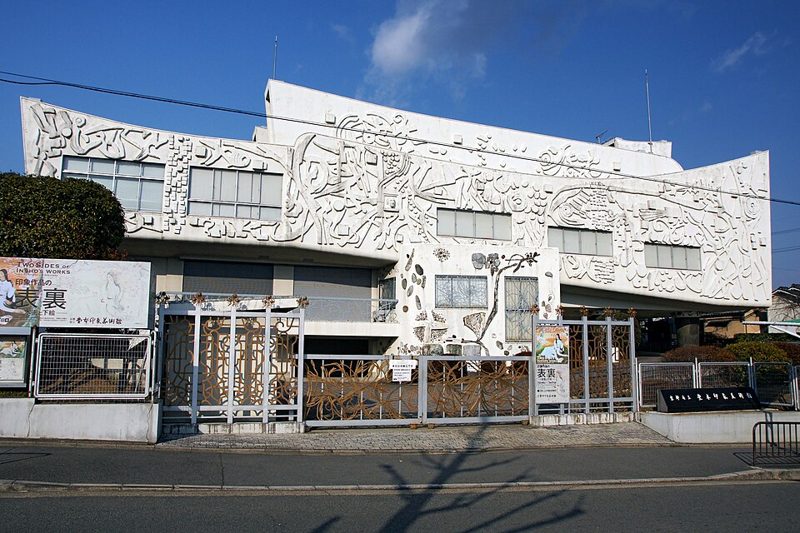
60th Anniversary Special Exhibition II: The Muses Who Modeled for Insho Domoto
Insho Domoto Museum of Fine Arts (Kitano-Hakubaicho Sta.)
Oct 15 (Thu) – Dec 20 (Sun) 09:30 – 17:00
A special exhibition celebrating the museum's 60th anniversary, exploring depictions of women that artist Insho Domoto pursued throughout his career.
Details →Festival & seasonal event
Koseiji Temple Autumn Special Opening with Night Viewing
Koseiji Temple (Nijo Sta.)
Nov 21 (Sat) – Nov 23 (Mon) 18:00 – 20:00
The evening session of Koseiji Temple's three-day autumn special opening in Kamigyo Ward. A tea service is offered for ¥800; last entry at 7:30 PM.
Details →
Tips from visitors
Been here? Leave a short tip for the next traveler — in any language. No name, no sign-up.
Thank you! We check every tip by hand and post it within a day or two.
How we post tips: we read every one before it goes up. We remove swear words, insults, ads, links and anything that could identify a person. Tips are shown in the language they were written in, with a translate link. Kyochika never writes or pays for tips, and there are no star ratings.
FAQ
- What is Kitano Tenmangu Shrine?
- Founded in 947, Kitano Tenmangu is the head shrine of approximately 12,000 Tenmangu and Tenjin shrines dedicated to the scholar Sugawara no Michizane. Its National Treasure main sanctuary was built in 1607 by Toyotomi Hideyori, while the western grounds preserve part of the Odoi earthworks constructed by Toyotomi Hideyoshi in 1591. The shrine remains closely associated with academic achievement, poetry, plum blossoms and the historic cultural life of Kyoto.
- Hours at Kitano Tenmangu Shrine?
- Regular shrine gate hours: 7:00-17:00. Sanko-mon Gate closes 30 minutes before the main gate. Shrine office and amulet counter: 9:00-16:30. Prayer reception: 9:00-16:00. During the autumn maple garden illumination period, the shrine's official access page states 9:00-20:00. For 2026, the maple garden opens October 31-December 6, 9:00-16:00, final admission 15:40. Evening illumination runs November 13-December 6, from sunset to 20:00, final admission 19:40.
- Closed at Kitano Tenmangu Shrine?
- The official visiting information does not specify a regular weekly closure for ordinary shrine worship. Seasonal gardens and the treasure museum have separate opening schedules.
- Admission at Kitano Tenmangu Shrine?
- Ordinary shrine precinct: free. The 2026 autumn maple garden: adults, including junior high school students and older, 1,500 yen; elementary school children 700 yen; preschool children free. Seasonal plum garden and treasure museum admission is separate.
- Access at Kitano Tenmangu Shrine?
- Approximately 5 minutes on foot from Kitano-Hakubaicho Station on the Randen Kitano Line. From Kyoto Station, Kyoto City Bus 50 to Kitano Tenmangu-mae. From JR Enmachi Station, Bus 203. From Imadegawa Station, Bus 51 or 203.
- Why do students visit Kitano Tenmangu?
- The shrine honours Sugawara no Michizane, a celebrated scholar and statesman who became worshipped as Tenjin, the deity of learning. Students visit to pray for academic success.
- Is Kitano Tenmangu free to enter?
- Yes. Ordinary shrine grounds are free, but seasonal gardens and some museum exhibitions require separate admission.
- When does the plum garden open?
- The official precinct guide states that the plum garden generally opens from early February to late March. Exact seasonal arrangements should be checked on the shrine website.
- What are the autumn maple garden prices in 2026?
- The official 2026 rates are 1,500 yen for junior high school students and older, 700 yen for elementary school children, and free admission for preschool children.