Tsurugaoka Hachimangu guide: history, hidden spots and events nearby
Staying nearby? Where to stay in Shinagawa for getting around →
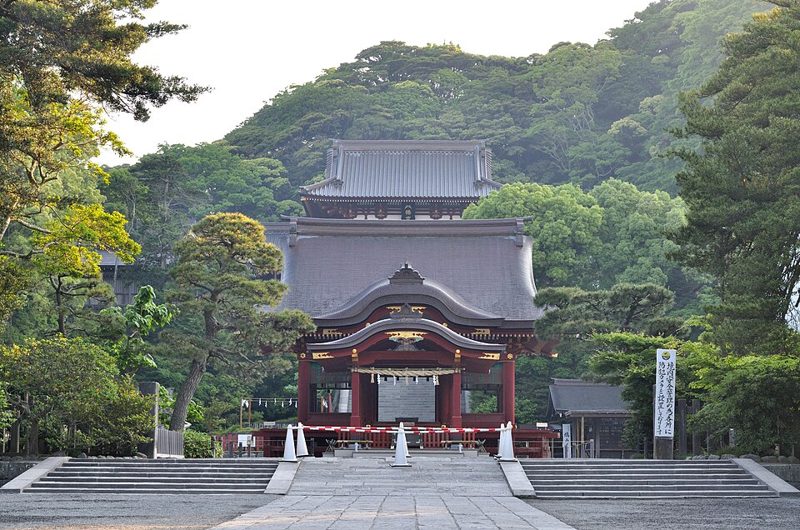
Tsurugaoka Hachimangu is the great Shinto shrine at the heart of Kamakura's samurai history. Minamoto no Yoritomo, the founder of the Kamakura shogunate, moved the shrine to its present location in 1180 and made it a spiritual center of his new city. Today, its monumental staircase, vermilion shrine buildings, historic ponds, and horseback archery ground offer an unusually vivid introduction to medieval Japan, only about ten minutes on foot from Kamakura Station.
🎧 English audio guide · first track free (10 tracks) →
Kyochika's tips
- For a first visit to Kamakura, consider coming in the morning and saving the shops and food stalls around Komachi-dori for the return journey.
- Give yourself enough time to explore beyond the famous staircase: the ponds, smaller shrines, and historic archery ground reveal different sides of the site.
- Spring blossoms, summer lotus flowers, and autumn foliage all make attractive seasonal reasons to visit, although the grounds can become busy during festivals, holidays, and popular travel periods.
Visiting info
| Opening hours | The main shrine gate is open from 6:00 AM to 8:00 PM throughout the year, according to the official notice effective April 1, 2024. Individual facilities have separate hours. |
|---|---|
| Closed days | No regular closing day for ordinary shrine visits. Exhibition facilities may close for installation changes or other reasons. |
| Admission | General admission to the shrine grounds is free. Treasure Hall: 200 yen for adults and 100 yen for elementary-school children. Admission to the Tsurugaoka Museum depends on the exhibition. The seasonal Peony Garden charges a separate entrance fee. |
| Treasure Hall | 9:00 AM–4:00 PM. Temporary closures may occur for exhibition changes. |
| Tsurugaoka Museum | 10:00 AM–4:30 PM, last admission 4:00 PM. Closed on Mondays, except public holidays, and during exhibition changes and the New Year holiday period. |
| Payment | Accepted payment methods for paid facilities, amulets, and offerings could not be confirmed from the official pages consulted. Carrying some cash is sensible, but this does not mean the shrine is cash-only. |
| Address | 2-1-31 Yukinoshita, Kamakura, Kanagawa Prefecture, Japan |
| From Kamakura Station | Approximately 10 minutes on foot from the East Exit of JR Kamakura Station. The same walking time is given for Enoden Kamakura Station. |
| From Hase Station | Take the Enoden railway to Kamakura Station, then walk approximately 10 minutes from the station. The total journey time from Hase was not verified in the consulted official sources. |
| From Kita-Kamakura Station | Take the JR Yokosuka Line to Kamakura Station, then walk approximately 10 minutes. Alternatively, combine your visit with temples in the northern part of Kamakura. Total journey time was not verified. |
| From Enoshima Station | Take the Enoden railway toward Kamakura Station, then walk approximately 10 minutes. Allow additional time for the railway journey and any wait for a train; the total time is not officially verified here. |
| Shrine etiquette | Remove hats when appropriate and pray with two bows, two claps, and one final bow, following the shrine's official guidance. Be considerate of ceremonies and other worshippers. |
| Photography | The shrine's official visitor guidance discourages group photography on the Great Stone Steps and the main approach. Group photography has additional instructions and conditions. Follow on-site notices regarding photography in individual buildings and during religious ceremonies. |
| English visitor information | The shrine maintains an official English-language website with information about the grounds, buildings, festivals, and access. Availability of printed English leaflets or English signage at every location was not confirmed. |
| Visitor facilities | Public toilets are listed by the Kamakura City Tourism Association. The grounds also contain designated rest areas and cultural facilities. Do not assume that eating or resting is permitted anywhere on the shrine grounds; follow the shrine's rules. |
Checked on 2026-11-05 against the official pages. Hours and fees can change; please check before you go.
Sources: Tsurugaoka Hachimangu Official Website (Japanese) / Tsurugaoka Hachimangu Opening Hours Notice (Japanese) / Tsurugaoka Hachimangu Grounds Guide (English) / Kamakura City Tourism Association (Japanese)
A Shrine That Helped Shape the Samurai Capital
The story of Tsurugaoka Hachimangu begins before Kamakura became the center of Japan's first samurai government. In 1063, Minamoto no Yoriyoshi returned from the Former Nine Years' War in northeastern Japan and established a place of worship associated with Iwashimizu Hachimangu, an important shrine near Kyoto. The original site was in the area now known as Zaimokuza, closer to Kamakura's coast. It later became known as Yui Wakamiya or Motohachiman, meaning the original Hachiman shrine. For the Minamoto warrior family, Hachiman was an important protective deity. This was therefore not simply a religious foundation: it expressed a continuing relationship between a powerful military family, its ancestors, and the divine protection it sought.
In 1180, Minamoto no Yoritomo entered Kamakura while seeking to restore the political strength of the Minamoto clan. One of his significant early decisions was to move the ancestral shrine from the coastal settlement to its present position at the foot of the hills. The shrine became a focal point of the city he was building. This mattered because Kamakura was not developed merely as a collection of military residences. Yoritomo gave religious institutions an important place in its political and ceremonial life. Tsurugaoka Hachimangu became associated with the authority of the emerging warrior government and with rituals that brought the military elite together. When walking through the modern grounds, visitors can still appreciate the broad relationship between the principal approach, the shrine buildings, and the surrounding city.
A major turning point came in 1191, when a fire destroyed the shrine buildings. Yoritomo responded by creating a new upper sanctuary on the hillside while retaining a lower sanctuary closer to the original location. This established the basic two-level arrangement that still defines Tsurugaoka Hachimangu. The shrine continued to receive support from successive military rulers, including later leaders such as Toyotomi Hideyoshi and members of the Tokugawa family. Rebuilding and repair were recurring parts of its history, so visitors should not mistake the surviving architecture for unchanged twelfth-century structures. The present principal shrine building dates to a reconstruction in 1828. Yet the arrangement of an elevated Main Shrine and a lower Wakamiya preserves the essential spatial idea established under Yoritomo. This continuity is one of the most remarkable qualities of the site: different generations have maintained the shrine's importance while adapting and renewing its physical structures.
Sources: Tsurugaoka Hachimangu Festivals (English) / Tsurugaoka Hachimangu Treasures and History (Japanese) / Kamakura City Tourism Association (Japanese)
The Ancient Ginkgo That Fell—and the New Tree That Grew
Beside the Great Stone Steps once stood an enormous ginkgo tree that had become one of Kamakura's most familiar natural landmarks. On March 10, 2010, strong winds brought the tree down. Its fall was an extraordinary event for a shrine where generations of residents and visitors had become accustomed to seeing the same towering tree beside the staircase. The loss also changed one of the most recognizable views of Tsurugaoka Hachimangu.
The story did not end with the tree's collapse. New growth emerged from the old tree's base, eventually developing into what the shrine calls the Child Ginkgo. A transplanted section of the original tree, known as the Parent Ginkgo, stands nearby. Visitors can look for the two trees near the Great Stone Steps and compare them with the historical descriptions. Part of the fallen trunk is also preserved at the cafe and shop associated with the Kamakura Bunkakan Tsurugaoka Museum. Seeing the surviving wood offers a tangible connection to the tree that stood here for generations. This is a particularly memorable example of how a historic place can change dramatically while continuing to preserve its identity.
Sources: Tsurugaoka Hachimangu Grounds Guide (English) / Kamakura City Tourism Association (Japanese)
The Symbolism of the Genpei Ponds
Near the entrance, the Genpei Ponds create one of the most attractive landscapes within the shrine. According to Tsurugaoka Hachimangu's official explanation, Yoritomo ordered the ponds to be constructed with the involvement of Oba Kageyoshi and the monk Ryosen. The two ponds were given symbolic associations with the rival Minamoto and Taira clans. Genji Pond has three islands, interpreted in relation to a word meaning birth or prosperity, while Heike Pond has four islands, associated with death or decline. These explanations reflect the political and symbolic world of the Genpei period.
The symbolism is not something most visitors would necessarily notice from appearance alone. To modern eyes, these may seem like ordinary ornamental ponds, but their design carries a story about the struggles that shaped the warrior government. The landscape also changes substantially with the seasons. Cherry blossoms bring color in spring, while lotus flowers become an important attraction in summer. Rather than simply photographing the water, take a moment to look across the two ponds and consider how landscape design, religious tradition, and political identity were brought together at this site.
Sources: Tsurugaoka Hachimangu Grounds Guide (English)
The Maiden Pavilion and the Story of Shizuka Gozen
Standing below the staircase is the Maiden, an open ceremonial pavilion also known as the lower worship hall. The shrine associates this location with the story of Shizuka Gozen, a celebrated dancer who was connected with Minamoto no Yoshitsune. According to the tradition presented by the shrine, Shizuka danced at the site of the former Wakamiya corridor while expressing her longing for Yoshitsune. The story has become one of the memorable episodes associated with medieval Kamakura.
It is important to distinguish the traditional association from the building visible today. The present pavilion is not a surviving structure from Shizuka's lifetime. Its importance comes from its location, the stories attached to it, and its continued ceremonial use. Weddings and shrine festivals are still held here, so visitors may occasionally encounter a religious ceremony. In that case, keep a respectful distance and follow any directions from shrine staff. The pavilion is worth seeing even when no event is taking place: with the massive staircase and Main Shrine behind it, it forms one of the clearest views of the site's distinctive architecture.
Sources: Tsurugaoka Hachimangu Grounds Guide (English)
Yabusame: Horseback Archery in the Samurai Tradition
Across the central area of the shrine runs a broad east-west path known as the Yabusame Baba, or horseback archery ground. Its name comes from yabusame, a traditional ritual in which mounted archers shoot arrows at targets while riding. Tsurugaoka Hachimangu's annual September festival includes a yabusame ceremony, with the official grounds guide identifying September 16 as the traditional date. The shrine's festivals are closely connected with the world of the warrior government and the ceremonial traditions maintained after its establishment.
When no ceremony is taking place, the archery ground can look like a simple open passage through the shrine. Knowing its function changes how visitors perceive it. This is not merely a convenient path from one side of the grounds to the other; it is a space designed for a highly specialized ceremonial performance. For travelers interested in samurai history, it offers a different perspective from armor displays or museum collections. The tradition combines horsemanship, archery, formal ritual, and public spectacle. Anyone hoping to watch a performance should check the shrine's current festival announcements, because access arrangements, viewing conditions, and crowd controls may vary.
Sources: Tsurugaoka Hachimangu Grounds Guide (English) / Tsurugaoka Hachimangu Festival Calendar (English)
Advertisement
Getting there by taxi or bus
🚕 Taxi
- Taxi A taxi can be taken from the Kamakura Station area if needed. The exact location of the nearest official taxi stand was not verified in the consulted shrine or municipal sources. For most visitors arriving by train, the approximately ten-minute walk from the station is the simplest option.
🚌 Bus
- Bus Nearby bus stops include Kamakura Hachimangu-mae, served by Enoden Bus, and Daigaku-mae, served by Keikyu Bus. Kamakura City's official guidance for the nearby Kamakura Museum of National Treasures gives approximately three minutes on foot from these stops. The Kamakura City Tourism Association also describes an Enoden Bus connection from the Kencho-ji area toward Kamakura Station, stopping near the shrine. A separate Keikyu Bus connection toward Kamakura-gu is included in the tourism association's published itinerary.
Other ways to get around
- Other JR Kamakura Station East Exit and Enoden Kamakura Station are both approximately ten minutes away on foot. Travelers coming from Kita-Kamakura can use the JR Yokosuka Line, while those visiting Hase or Enoshima can use the Enoden railway. These connections are useful when organizing a day trip with several destinations.
Walking is generally the most straightforward option from central Kamakura. Road congestion may affect taxis and buses, particularly during popular visiting periods and shrine events. Bus routes, boarding locations, timetables, and fares should be checked with the operating companies before travel. No specific nearest taxi rank has been verified for this guide.
Sources: Tsurugaoka Hachimangu Access (Japanese) / Kamakura City Museum Access Guidance (Japanese) / Kamakura City Tourism Association Route (Japanese)
A Walking Route Through the Shrine Grounds
- Third Torii Gate Begin at the main entrance, approximately ten minutes on foot from Kamakura Station. Look straight ahead toward the Great Stone Steps and the elevated Main Shrine. This first view establishes the central axis of the complex. Before moving forward, notice how the surrounding trees and lower buildings frame the approach.
- Genpei Ponds Allow approximately two minutes from the entrance. Compare the two ponds and look for their islands. Their contrasting associations with the Minamoto and Taira clans make them more than ornamental water features. In the right season, cherry blossoms or lotus flowers add another reason to stop.
- Hataage Benzaiten Shrine Walk approximately two to three minutes from the pond area. Cross toward the island shrine in Genji Pond and observe its banners and reconstructed shrine building. Look for Masako Stone behind the shrine, where access is permitted. This is a useful stop for understanding the link between family traditions and the early warrior government.
- Horseback Archery Ground Return toward the central approach, allowing approximately three to four minutes. Find the broad path extending east to west across the shrine grounds. This is the traditional yabusame ceremonial route. Imagine its function during an annual ritual rather than treating it as an ordinary walkway.
- Maiden Ceremonial Pavilion Continue for approximately two minutes toward the pavilion standing in front of the staircase. The Maiden is associated with the tradition of Shizuka Gozen's dance and remains a place for weddings and shrine ceremonies. Its position in front of the Main Shrine makes it one of the most recognizable structures in the complex.
- Great Stone Steps and Ginkgo Trees Allow one to two minutes from the pavilion. Look for the Parent and Child Ginkgo beside the staircase and recall the fall of the famous tree in 2010. The stairs form the dramatic transition between the lower ceremonial space and the elevated principal sanctuary.
- Main Shrine Allow approximately three to five minutes to climb the steps and reach the worship area, depending on your pace. The shrine is dedicated to Emperor Ojin, Himegami, and Empress Jingu. After paying your respects, turn around where permitted and look toward central Kamakura. On especially clear days, the shrine's official guide notes the possibility of distant views toward the sea.
- Maruyama Inari Shrine Allow approximately three to five minutes from the Main Shrine area. Find the smaller shrine with its red devotional flags. Pay attention to the contrast between the comparatively intimate setting and the grand architecture of the main sanctuary. The historical importance of the building is easy to overlook.
- Shirahata Shrine and Wakamiya Allow roughly five to seven minutes to continue into the lower shrine area. Shirahata Shrine, dedicated to Yoritomo and Sanetomo, is notable for its dark-painted building. Wakamiya, the lower sanctuary, forms the second major element of the shrine arrangement established after the fire of 1191.
- Kamakura Museum of National Treasures Area Allow approximately two to four minutes from the nearby lower shrine area. If time permits, consider visiting the Kamakura Museum of National Treasures within the shrine grounds. The museum provides an opportunity to connect the historic buildings and landscape you have just explored with works of Buddhist and cultural heritage preserved in Kamakura.
Walking times between individual locations are approximate Kyochika estimates, not officially published times. The ten-minute walk from Kamakura Station is based on the shrine's official access information. Plan roughly 40–70 minutes for a general exploration, with additional time for museums, ceremonies, photography, or queues. The shrine contains a substantial staircase; visitors who cannot use steps should seek current on-site guidance about accessible routes. Certain areas may be restricted during ceremonies.
Sources: Tsurugaoka Hachimangu Grounds Guide (English) / Tsurugaoka Hachimangu Access (Japanese) / Kamakura City Museum Access Guidance (Japanese)
What to See Throughout the Year
| Spring: roughly March to May | Cherry blossoms around the ponds are among the best-known seasonal sights. The Peony Garden also features spring peonies, while wisteria and other flowers appear elsewhere in the grounds. Flowering dates vary from year to year, so do not rely on a fixed peak date. This is a particularly attractive season for visitors who want to combine architecture, ponds, and flowers in one walk. |
|---|---|
| Summer: roughly June to August | Lotus flowers in Genji and Heike ponds provide one of the most distinctive summer views. The flowers and broad leaves create a different impression from the bare winter ponds or the cherry blossoms of spring. Summer temperatures and humidity can be demanding, so an earlier visit may be more comfortable, although it does not guarantee lighter crowds. |
| Autumn: roughly September to November | The shrine's major September festival includes traditional ceremonies associated with its history, including yabusame. Later in autumn, changing leaves become a feature around parts of the grounds, including the area near Imamiya. The November Hitaki-sai at Maruyama Inari is another annual tradition. Event dates, access conditions, and the timing of autumn colors should be checked against current information. |
| Winter: roughly December to February | The shrine is a major place of worship during the New Year period. Seasonal winter peonies in the Peony Garden and plum blossoms provide additional attractions. New Year visits can involve substantial crowds, and operating arrangements may differ from ordinary days. Anyone traveling around the turn of the year should consult the shrine's dedicated announcements rather than assume that normal facilities and services are operating unchanged. |
Sources: Tsurugaoka Hachimangu Grounds Guide (English) / Tsurugaoka Hachimangu Festival Calendar (English) / Kamakura City Tourism Association (Japanese)
How it compares
Unlike Kencho-ji and Engaku-ji, which are major Zen Buddhist temples, Tsurugaoka Hachimangu is a Shinto shrine whose identity is closely connected to the Minamoto clan and the political foundations of the Kamakura shogunate. While the Great Buddha of Kamakura focuses attention on a single monumental Buddhist sculpture, Tsurugaoka Hachimangu invites visitors to understand an entire ceremonial landscape of approach roads, ponds, worship halls, smaller shrines, and the elevated Main Shrine.
Sources:
Nearby: combine with
- Combine with Komachi-dori is a convenient place to combine with a shrine visit, especially for food, shopping, and a walk back toward Kamakura Station. For a more history-focused itinerary, continue north toward Kencho-ji, one of Kamakura's major Zen temples; allow approximately 15–20 minutes on foot from the Hachimangu area as a Kyochika estimate, not an official measured time. Visitors with a full day could combine the shrine with a northern Kamakura temple or with the Great Buddha and Hase-dera on a separate part of the itinerary, using the local railway and allowing sufficient travel time.
Sources:
Five Overlooked Places Worth Finding
- Maruyama Inari Shrine
- Look for the smaller shrine surrounded by bright red devotional flags. Its building dates to the Muromachi period and is identified by the shrine as the oldest surviving shrine building within the grounds. It is designated an Important Cultural Property. Visitors often associate its flags with prayers for business prosperity and good fortune. Compared with the grand Main Shrine, this is a much more intimate expression of religious devotion. The annual Hitaki-sai ritual in November also connects it with the tradition of Kamakura Kagura performances.
- Hataage Benzaiten Shrine and Masako Stone
- On an island in Genji Pond stands a small shrine associated with the Minamoto clan's rise to power. The present building was reconstructed in 1980, based on an older illustration. Its setting among water and white banners makes it visually distinct from the main sanctuary. Behind the building is Masako Stone, traditionally associated with prayers for marital harmony. The name refers to the world of Hojo Masako, Yoritomo's wife, although visitors should distinguish the site's devotional associations from independently documented historical events.
- Shirahata Shrine
- This smaller shrine honors Minamoto no Yoritomo and Minamoto no Sanetomo. Its dark-painted building provides a striking visual contrast with the vermilion architecture of the principal shrine. According to the official explanation, it is particularly associated with prayers for success and academic achievement. It also makes an important historical connection: Yoritomo created the foundations of the Kamakura shogunate, while Sanetomo belonged to the later generation of Minamoto shoguns. Visiting this shrine helps turn those historical names into a physical part of the walking route.
- Imamiya Shrine
- Near the rear of the grounds is Imamiya, a shrine dedicated to Emperors Go-Toba, Tsuchimikado, and Juntoku. The current building was completed in 2021, making it one of the newest shrine structures here. Its presence is a useful reminder that a religious site established in the medieval era continues to change. The shrine's official guide also identifies the surrounding area as an attractive place during the autumn foliage season. Visitors interested in history can consider how this site commemorates figures beyond the Minamoto family.
- Yui Wakamiya Worship Point
- This is a place from which visitors can pay their respects toward Yui Wakamiya, the original shrine at Zaimokuza. It is easily overlooked because it is less visually prominent than the Great Stone Steps or the ponds. Yet it tells a fundamental part of the story: Tsurugaoka Hachimangu did not begin at its present location. Before Yoritomo made it central to his city, the Minamoto family's shrine stood closer to the coast. This worship point links the modern grounds with that earlier geography.
Sources: Tsurugaoka Hachimangu Grounds Guide (English) / Tsurugaoka Hachimangu Grounds Guide (Japanese)
Events near Tsurugaoka Hachimangu now and coming up
Within 1.5 km, nearest first. Checked against official pages.
 Tsurugaoka Hachimangu New Year's Eve Rites: Oharae, Old Talisman Burning and Joya-sai (Dec 31)Dec 31 (Thu) · Tsurugaoka Hachimangu Shrine (Kamakura) · on site
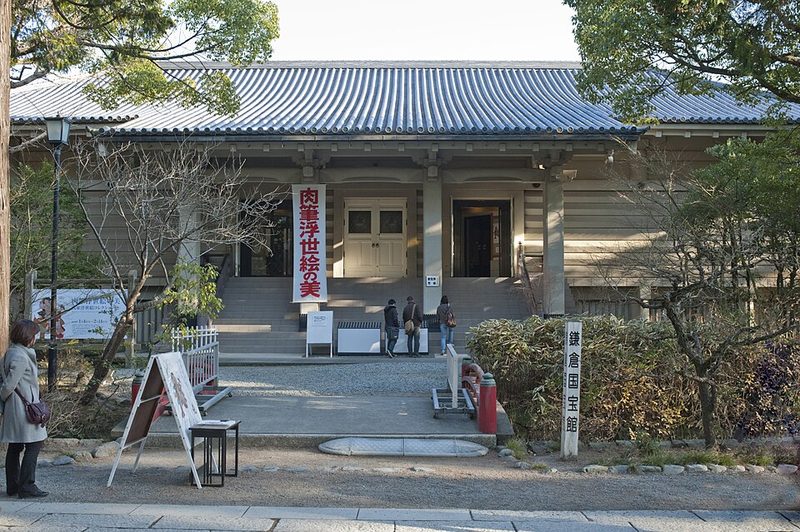 Kamakura Museum of National Treasures: Zuisenji 700 YearsOct 24 (Sat) – Dec 6 (Sun) · Kamakura Museum of National Treasures · 0.1 km
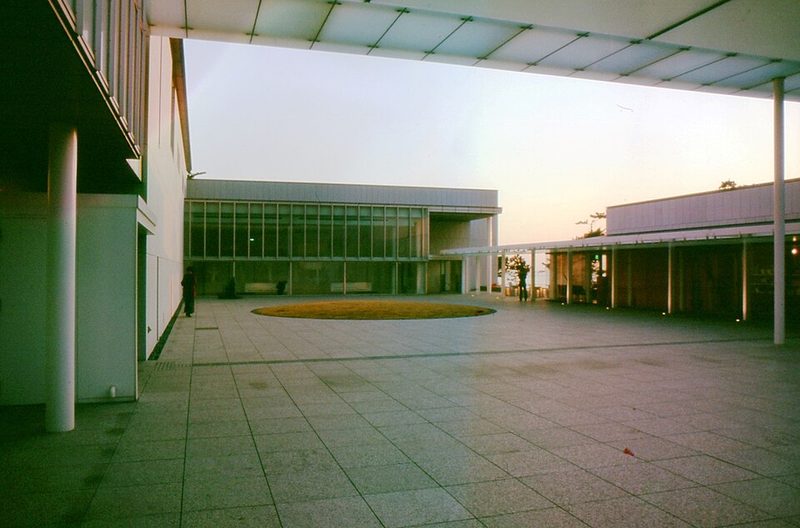 Polish Poster Exhibition 2: From the Former Collection of Copperplate Engraver Watanabe Chihiro (MOMAK Kamakura Annex)Oct 17 (Sat) – Jan 31 (Sun) · Museum of Modern Art, Kamakura Annex (Kanagawa) · 0.4 km
 LIVING IN CINEMA: Actor Koji Yakusho (Kamakura Kawakita Film Museum)Sep 5 (Sat) – Dec 13 (Sun) · Kamakura City Kawakita Film Museum · 0.5 km
 Incense Wood Scent Experience and Scent Bag Making (Kito Tenkundo, Kamakura, Nov 21)Nov 21 (Sat) · Kito Tenkundo, 2F (Yukinoshita, Kamakura) · 0.6 km
 Showa 100: The Japanese Spirit in Kiyokata's Works (Kamakura Kaburaki Kiyokata Museum)Oct 23 (Fri) – Nov 29 (Sun) · Kamakura Kaburaki Kiyokata Museum · 0.6 km
 Chojuji Temple Autumn Special Opening (Kamakura)Oct 2 (Fri) – Dec 7 (Mon) · Chojuji Temple (Kita-Kamakura) · 0.8 km
 Mindful City Kamakura Week 2026 (including the Zen2.0 finale at Kenchoji)Nov 14 (Sat) – Nov 21 (Sat) · Various locations in Kamakura (finale at Kenchoji Temple) · 1.0 km
 Kamakura's Nunneries: A History of Prayer Woven by Nuns (Kamakura Museum of History and Culture)Sep 19 (Sat) – Nov 28 (Sat) · Kamakura Museum of History and Culture, Annex Archaeology Gallery · 1.0 km
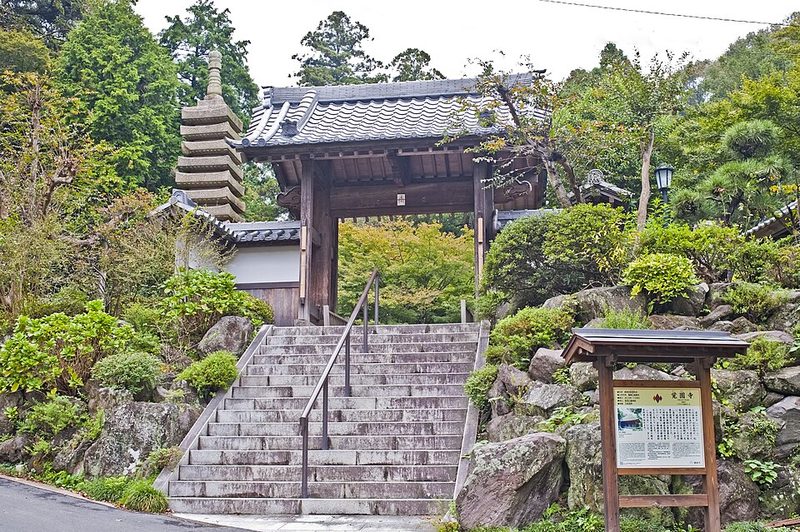 Daniel Ost in Kamakura: Arranging Autumn at Kakuonji (Kakuonji Temple)Nov 12 (Thu) – Nov 17 (Tue) · Kakuonji Temple (former Utsumi residence, Yakushido hall and grounds) · 1.1 km
 Photo Memorial Thanksgiving (Jochiji Temple, Kita-Kamakura)Nov 14 (Sat) · Jochiji Temple grounds · 1.2 km
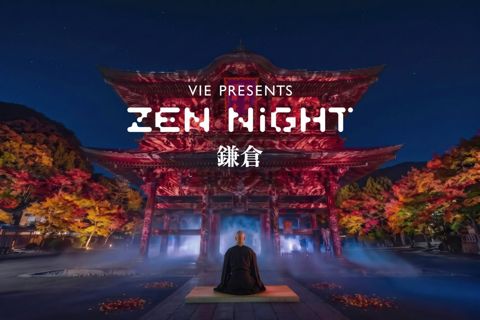 VIE presents ZEN NIGHT Kamakura (Night Viewing at Kenchoji in Autumn Colors)Oct 29 (Thu) – Dec 6 (Sun) · Kenchoji Temple (Kamakura) · 1.2 km
Next stop: book for later today PR
Tickets people often book around here, on Klook.
Year-end deal: extra 5% off selected Tokyo attractions on Klook with code TOKYOATT5% (until Dec 31).
Kamakura & Enoshima day trip from Tokyo→Enoshima-Kamakura Freepass (Enoden)→Tips from visitors
Been here? Leave a short tip for the next traveler — in any language. No name, no sign-up.
Thank you! We check every tip by hand and post it within a day or two.
How we post tips: we read every one before it goes up. We remove swear words, insults, ads, links and anything that could identify a person. Tips are shown in the language they were written in, with a translate link. Kyochika never writes or pays for tips, and there are no star ratings.
FAQ
What are the opening hours of Tsurugaoka Hachimangu?
The main shrine gate is open from 6:00 AM to 8:00 PM throughout the year, according to the official notice effective April 1, 2024. Individual facilities have separate hours.
How much does Tsurugaoka Hachimangu cost?
General admission to the shrine grounds is free. Treasure Hall: 200 yen for adults and 100 yen for elementary-school children. Admission to the Tsurugaoka Museum depends on the exhibition. The seasonal Peony Garden charges a separate entrance fee.
A Shrine That Helped Shape the Samurai Capital
The story of Tsurugaoka Hachimangu begins before Kamakura became the center of Japan's first samurai government. In 1063, Minamoto no Yoriyoshi returned from the Former Nine Years' War in northeastern Japan and established a place of worship associated with Iwashimizu Hachimangu, an important shrine near Kyoto. The original site was in the area now known as Zaimokuza, closer to Kamakura's coast. It later became known as Yui Wakamiya or Motohachiman, meaning the original Hachiman shrine. For the Minamoto warrior family, Hachiman was an important protective deity. This was therefore not simply a religious foundation: it expressed a continuing relationship between a powerful military family, its ancestors, and the divine protection it sought.
What are some little-known spots in Tsurugaoka Hachimangu?
Maruyama Inari Shrine, Hataage Benzaiten Shrine and Masako Stone, Shirahata Shrine, Imamiya Shrine, Yui Wakamiya Worship Point.