Tokyo Tower guide: history, hidden spots and events nearby
A 333 m broadcast tower completed in 1958, officially called Nippon Denpato. From the Main Deck at 150 m and the Top Deck at 250 m you look down on central Tokyo. Its red-and-white colors (properly, international orange and white) are required by aviation law.
Kyochika's tips
- The Main Deck alone is ¥1,500. If you are going up to the 250 m Top Deck, buying online in advance saves ¥200 over the counter price. At night the city lights spread out right below you, so our recommendation is to go up in the late afternoon and watch day turn into night.
- On weekend and holiday daytimes you can climb the outdoor stairs (about 600 steps) all the way to 150 m. If you are up for it, you see the steelwork up close in a way the elevator never shows you. Afterwards, walk over to Zojoji for the classic shot of the tower rising behind the temple roof.
Events near Tokyo Tower now and coming up
Within 1.5 km, nearest first. Checked against official pages.
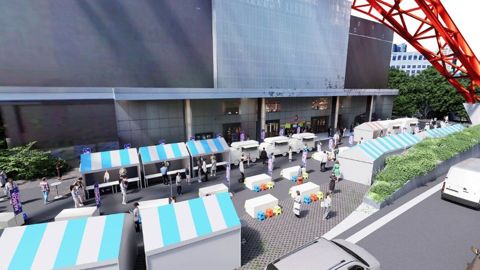 KOREAN Culture Fes. in TOKYO TOWER 2026Oct 31 (Sat) – Nov 3 (Tue, holiday) · Tokyo Tower, 1F front entrance · on site · free
 TOKYO TOWER Christmas Market 2026Nov 13 (Fri) – Dec 25 (Fri) · Tokyo Tower front entrance plaza (special venue) · on site · free
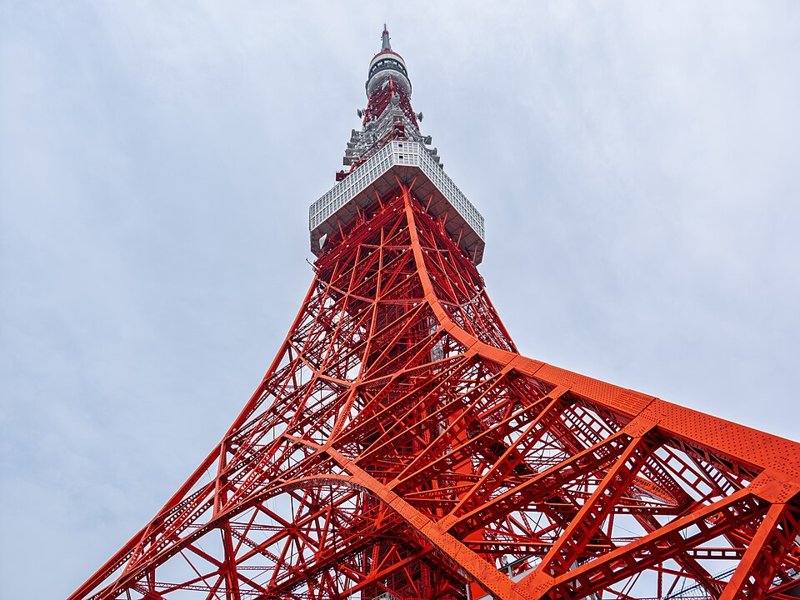 Tokyo Tower City Light Fantasia – Halloween Party 2026Sep 11 (Fri) – Oct 31 (Sat) · Tokyo Tower Main Deck 2F · on site
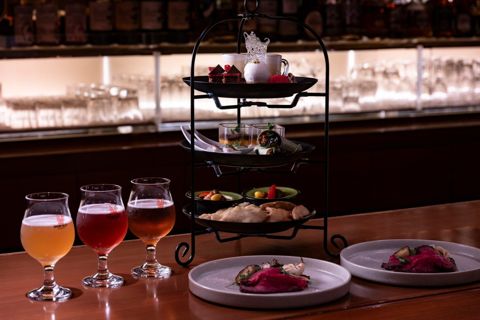 Seasonal Afternoon Beer with Spring Valley Brewery (Tokyo Prince Hotel)Nov 2 (Mon) – Jan 30 (Sat) · Tokyo Prince Hotel 1F Main Bar Windsor · 0.3 km
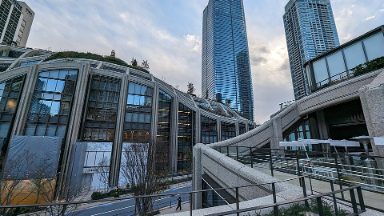 Azabudai Hills Christmas Market 2026Nov 21 (Sat) – Dec 25 (Fri) · Azabudai Hills Central Square · 0.6 km · free
 Minato City Hall Lobby Concert No. 5 (Koto & Shamisen)Oct 29 (Thu) · Minato City Hall main building, 1F lobby · 0.6 km · free
 Tokyo Christmas Market 2026 in Shiba ParkDec 4 (Fri) – Dec 25 (Fri) · Shiba Park Area 4 (Onarimon Station Plaza) · 0.6 km
- Yamanashi Nouveau Matsuri 2026 Tokyo (Shiba Park)Nov 3 (Tue, holiday) · Shiba Park Area 4, Multipurpose Ground · 0.6 km · free
- Orange Ribbon Day @ Minato 2026Nov 1 (Sun) · Shiba Park (Minato City) · 0.6 km
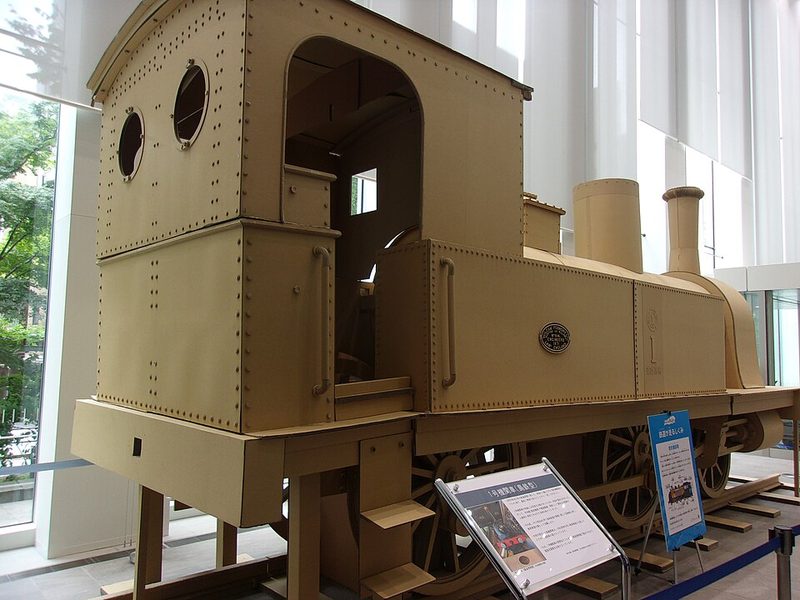 You're a Shark Scientist Too! Shark Secrets from Their Shapes (October, Minato Science Museum)Oct 31 (Sat) · Minato City Science Museum · 0.8 km
- Make Blue Paint! Prussian Blue and Mineral Pigments (Minato Science Museum)Nov 1 (Sun) · Minato City Science Museum · 0.8 km
- Make a Colorful Aroma Pot! (Minato Science Museum)Nov 6 (Fri) · Minato City Science Museum · 0.8 km
Visiting info
| Hours | Main Deck (150 m) 9:00–23:00 (last entry 22:30); Top Deck Tour (150 m + 250 m) 9:00–22:45 (last entry 22:15). Last entry to the Main Deck may be earlier when crowded. The Top Deck may close in bad weather |
|---|---|
| Closed | Open every day |
| Admission | Main Deck: adults ¥1,500, high school ¥1,200, elementary/junior high ¥900, children 4+ ¥600. Top Deck Tour (includes Main Deck): online adults ¥3,300, high school ¥3,100, elementary/junior high ¥2,100, children ¥1,500; at the counter ¥3,500 / ¥3,300 / ¥2,300 / ¥1,700. Tokyo Diamond Tour (70 people a day): adults ¥7,000 |
| Outdoor stairs | The open-air stairs (about 600 steps): going up 9:00–16:00 on weekends and holidays only; going down 9:00–20:00. Cancelled in rain or storms |
| Payment | Cash, VISA, JCB, Mastercard, AMEX, UnionPay, Alipay |
| Address | 4-2-8 Shibakoen, Minato-ku, Tokyo |
| Getting there | Akabanebashi Station (Oedo Line, Akabanebashi exit) 5 min walk; Onarimon (Mita Line, A1) 6 min; Kamiyacho (Hibiya Line, exit 1) 7 min; Shibakoen (Mita Line, A4) and Daimon (Asakusa Line, A6) 10 min; JR Hamamatsucho (North exit) 15 min |
Checked on 2026-10-27 against the official pages. Hours and fees can change; please check before you go.
Sources: 東京タワー公式サイト (Japanese) / Tokyo Tower official site: Fees, business hours / 東京タワー公式「アクセス」 (Japanese) / GO TOKYO「東京タワー」 (Japanese)
Why was Tokyo Tower built?
In the 1950s, as TV broadcasting began, NHK, Nippon TV, TBS and others were each building their own transmission towers. Maeda Hisakichi, founder of the Sankei Shimbun, set up the Nippon Denpato company and planned a single tower to carry all the stations' signals. Its signal reached about 150 km around Tokyo.
It was designed by Waseda University's Naito Tachu, nicknamed the "tower doctor," with Nikken Sekkei, and built by Takenaka Corporation. Naito drew about 10,000 drawings; construction took 543 days and about 220,000 worker-days. The completion ceremony was held on December 23, 1958. At 333 m it was then the world's tallest self-supporting steel tower, taller than the Eiffel Tower.
It remained Japan's tallest freestanding tower for 53 years, until Tokyo Skytree was completed in 2012. In May 2013 digital TV transmission moved to Skytree; Tokyo Tower now serves as a backup tower and carries FM radio. Also in 2013 it became a Registered Tangible Cultural Property of Japan.
Sources: 東洋経済オンライン「東京タワー」 (Japanese) / 早稲田大学「内藤多仲と東京タワー」 (Japanese) / BELCA「東京タワー」 (Japanese) / ベストカレンダー「東京タワー完成の日」 (Japanese) / ジャパンナレッジ「東京タワー」 (Japanese) / Precious.jp「東京タワー」 (Japanese)
The top section was made from tanks
Construction began in 1957, shortly after the Korean War. Steel from US Army tanks sold off as scrap is said to have been used for the part above the old Special Observation Deck (today's Top Deck).
Japan was short of good steel at the time, and a Nippon Steel publication also notes that high-grade scrap was bought from abroad and recycled into the tower's frame. The symbol of Tokyo's postwar recovery was built partly from the steel of war.
Sources: ベストカレンダー「東京タワー完成の日」 (Japanese) / RAG MUSIC「東京の雑学」 (Japanese) / 日本製鉄「季刊ニッポンスチール」 (Japanese)
The most popular name was "Showa Tower"
The name was chosen by public contest, which drew 86,269 entries. The most common was "Showa-to" (Showa Tower) with 1,832, followed by "Nippon-to" and "Heiwa-to" (Peace Tower). "Tokyo Tower" got 223 entries and ranked 13th.
The narrator Tokugawa Muson backed it, and "Tokyo Tower" was decided on October 9, 1958. A fifth-grade girl from Kanagawa, picked by lottery, received a ¥100,000 prize.
Sources: All About ニュース「東京タワーの豆知識」 (Japanese)
Why 333 m?
The first plan was 380 m, but it was dropped because wind could sway the antenna and disturb broadcasts.
333 m was chosen to exceed the Eiffel Tower (about 312 m), avoid broadcast problems and cover the whole Kanto region. Precisely it is 332.6 m: a 253 m steel tower topped by an 80 m antenna.
Sources: All About ニュース「東京タワーの豆知識」 (Japanese) / 東洋経済オンライン「東京タワー」 (Japanese)
Still repainted by hand
Aviation law requires structures 60 m or taller to be painted in bands of international orange and white as a daytime marker. Above the Main Deck there were 11 bands until 1986; now there are 7.
Craftsmen repaint the tower by brush, which takes about a year. It used to be every 5 years; better paint has stretched it to every 7. Log scaffolding has been used so as not to disturb the radio signals.
Sources: All About ニュース「東京タワーの豆知識」 (Japanese) / ニッポン旅マガジン「東京タワーの色」 (Japanese) / マイナビニュース「東京タワーの塗装とライトアップ」(2013年) (Japanese) / BELCA「東京タワー」 (Japanese)
The first monster to break the tower
In the movies, the first monster to knock down Tokyo Tower was not Godzilla but Mothra, about two and a half years after it was completed.
On opening day it drizzled, and the deck cost ¥120 for adults and ¥70 for high school students.
Sources: 現代ビジネス「12月23日 東京タワー完成」 (Japanese) / 東洋経済オンライン「東京タワー」 (Japanese)
Built on the site of the Koyokan
In the time of the 2nd shogun Hidetada, maple trees were moved here from the Momiji-yama hill of Edo Castle, and the area came to be called Momiji-yama. In 1881 a members-only restaurant, the Koyokan, opened here and entertained politicians, businessmen, writers and foreign guests.
The Koyokan burned in the 1945 air raids, and Tokyo Tower was built on its site. That is where the name of the Top Deck elevator hall comes from.
Sources: 三井住友トラスト不動産「このまちアーカイブス 芝」 (Japanese) / nippon.com「東京タワー250メートル展望台リニューアル」 (Japanese)
Getting there by taxi and bus
🚕 Taxi
- Tokyo Tower front entrance drop-off area (東京タワー正面) Taxis normally pull up at the front entrance drop-off, about a 1-minute walk to the entrance (per a NEWT travel article). We could not confirm a taxi stand here; taxi apps such as GO, Uber and DiDi also work from the nearest station.
🚌 Bus
- Tokyo Tower (terminus) (東京タワー(終点)) Toei Bus 浜95: Shinagawa Station Konan Exit – Tamachi – Hamamatsucho – Daimon – Onarimon – Tokyo Tower. Climbs the slope and stops right at the 2nd-floor entrance. Right at the stop
- Tokyo Tower (東京タワー) Toei Bus 橋86 from Meguro Station. Less frequent than 浜95.
- Akabanebashi-ekimae (赤羽橋駅前) Toei Bus 都06 toward Shimbashi Station. From Shinjuku Station West Exit: 品97 to Yonnohashi (四ノ橋), then 都06, about 10 minutes (per NEWT). About 5 min
- Higashi-Azabu 1-chome [Tokyo Tower Shita] (東麻布一丁目[東京タワー下]) Stop of the Minato Ward community bus (Chii-bus). Stop name includes Tokyo Tower
The bus stop at Tokyo Tower is closest to the 2nd-floor exit; there is a 10 cm curb step on the sidewalk side (Tokyo Metropolitan Government). Toei buses accept PASMO and Suica. To avoid traffic, the subway to Akabanebashi or Onarimon is often quicker. You can also book a taxi by app: GO works in English with foreign phone numbers and cards, Uber books licensed taxis in Tokyo, and since early 2026 visitors can call S.RIDE taxis through DiDi in the 23 wards and nearby.
Sources: BESTCARweb Bus Magazine: Tokyo Tower (Japanese) / Tokyo Metropolitan Govt. Accessible Tourism: Tokyo Tower area / NEWT: access to Tokyo Tower (Japanese) / Minato community bus stop (Jorudan, Japanese) / Japan Taxi Apps for Tourists (Oct 12, 2026)
Our suggested route
- Enter at Foot Town, 1st floor Buy tickets and head for the elevator. On weekends and holidays before 16:00 you can climb the outdoor stairs instead (our estimate: about 15–20 minutes).
- Main Deck, 2nd level (150 m) 360-degree views. On clear days you can see Tokyo Skytree and Mt. Fuji. About 20–30 minutes.
- Skywalk Window, Main Deck 1st level Look straight down through the glass floor. About 5 minutes.
- Top Deck Tour (250 m) Pass through the Koh-Yo-Kan elevator hall up to 250 m: a space of mirrors and light, plus the real V-shaped steel pillars. 20–30 minutes.
- Down the outdoor stairs, then Foot Town The stairs are open for going down 9:00–20:00. Then browse the shops in Foot Town.
We found no source giving a walking time. The times above are our estimates; allow about 1.5 hours if you go up to the Top Deck.
Sources: 東京タワー公式サイト (Japanese) / GO TOKYO「東京タワー」 (Japanese) / nippon.com「東京タワー250メートル展望台リニューアル」 (Japanese)
What to see by season
| New Year's Day | According to a 2018 article, the tower opened at 6:00 on New Year's Day for the first sunrise, with commemorative medals for early visitors. We will add the 2027 details when announced |
|---|---|
| Early October – early July | According to a 2016 article, the orange "winter Landmark Light" (warm sodium lamps) starts on October 3 |
| Early July – early October | The white "summer Landmark Light" starts on July 7 |
| Special days | Special colors for events and seasons, such as Olympic openings, the start of cherry blossom season and the end of the rainy season |
Sources: Discover Japan「東京タワー」(2018年) (Japanese) / トラベルボイス「東京タワーのライトアップ色はどう決まる?」(2016年) (Japanese) / マイナビニュース「東京タワーの塗装とライトアップ」(2013年) (Japanese) / JAF Mate「東京タワー完工の日」 (Japanese)
Tokyo Tower or Tokyo Skytree?
Tokyo Tower's decks are at 150 m and 250 m; Skytree's are at 350 m and 450 m. Tokyo Tower's 250 m Top Deck is described as the third-highest observation deck in Tokyo, after Skytree's two.
Tokyo Tower stands in the middle of central Tokyo, so you look down on the office towers close up and can see Skytree in the distance.
Our take: for the widest, farthest view, Skytree; for city lights up close and the tower itself as part of the experience, Tokyo Tower. Seen from the ground, we think the orange-and-white tower makes the better picture.
Sources: Japan Guide: Tokyo Tower
Nearby: combine with
- Zojoji Temple Right next to the tower, known for photos of the tower rising behind the temple roof.
- Shiba Park and Shiba Toshogu The Tokyo Metropolitan and Minato City parts of Shiba Park spread around the tower. Shiba Toshogu has a large ginkgo said to have been planted by Tokugawa Iemitsu.
- Atago Shrine A fire-prevention shrine on a small hilltop, reached by a stone staircase.
- Roppongi, Shiodome, Toranomon GO TOKYO lists Roppongi, Shiodome, Toranomon and Shinagawa as nearby areas. JR Hamamatsucho Station is about 15 minutes on foot.
Sources: GO TOKYO「東京タワー周辺」 (Japanese)
Little-known spots
- Skywalk Window
- A glass floor on the first level of the Main Deck. Look straight down about 150 m to the streets below.
- The V-shaped pillars on the Top Deck
- The V-shaped pillars inside the Top Deck are the actual steel frame holding up the tower. In the mirrored space, you can get close to the real structure.
- 250 m used to be a storage room
- During construction, today's Top Deck space was used to store building materials. It became the Special Observation Deck in 1967.
- The Koh-Yo-Kan hall
- The elevator hall linking the Top Deck and Main Deck is a Japanese-style space named Koh-Yo-Kan, after a Meiji-era restaurant that once stood on this site.
- Sparkle on the hour
- Every hour on the hour, the "Diamond Tiara" on the Top Deck and the "Diamond Choker" on the Main Deck sparkle in white for 2 minutes.
- The lawn in Shiba Park
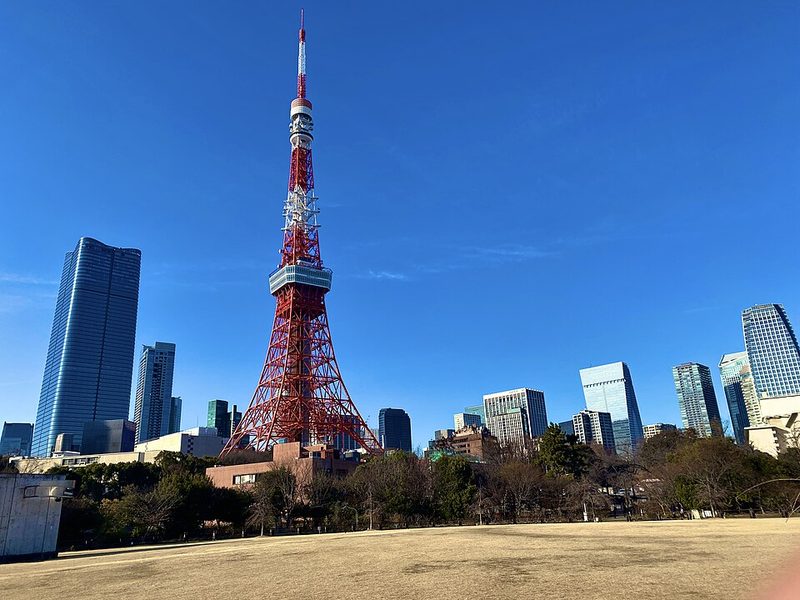
- GO TOKYO recommends the lawn plaza of Minato City's Shiba Park for photographing the tower from below.
Sources: GO TOKYO「東京タワー」 (Japanese) / nippon.com「東京タワー250メートル展望台リニューアル」 (Japanese) / マイナビニュース「東京タワー トップデッキツアー」(2018年) (Japanese) / Precious.jp「東京タワー」 (Japanese) / GO TOKYO「東京タワー周辺」 (Japanese)
FAQ
What are the opening hours of Tokyo Tower?
Main Deck (150 m) 9:00–23:00 (last entry 22:30); Top Deck Tour (150 m + 250 m) 9:00–22:45 (last entry 22:15). Last entry to the Main Deck may be earlier when crowded. The Top Deck may close in bad weather
How much does Tokyo Tower cost?
Main Deck: adults ¥1,500, high school ¥1,200, elementary/junior high ¥900, children 4+ ¥600. Top Deck Tour (includes Main Deck): online adults ¥3,300, high school ¥3,100, elementary/junior high ¥2,100, children ¥1,500; at the counter ¥3,500 / ¥3,300 / ¥2,300 / ¥1,700. Tokyo Diamond Tour (70 people a day): adults ¥7,000
How do I get to Tokyo Tower?
Akabanebashi Station (Oedo Line, Akabanebashi exit) 5 min walk; Onarimon (Mita Line, A1) 6 min; Kamiyacho (Hibiya Line, exit 1) 7 min; Shibakoen (Mita Line, A4) and Daimon (Asakusa Line, A6) 10 min; JR Hamamatsucho (North exit) 15 min
Why was Tokyo Tower built?
In the 1950s, as TV broadcasting began, NHK, Nippon TV, TBS and others were each building their own transmission towers. Maeda Hisakichi, founder of the Sankei Shimbun, set up the Nippon Denpato company and planned a single tower to carry all the stations' signals. Its signal reached about 150 km around Tokyo.
What are some little-known spots in Tokyo Tower?
Skywalk Window, The V-shaped pillars on the Top Deck, 250 m used to be a storage room, The Koh-Yo-Kan hall, Sparkle on the hour, The lawn in Shiba Park.