Shinjuku Gyoen National Garden guide: history, hidden spots and events nearby
A 58.3-hectare garden a 10-minute walk from Shinjuku Station. In one visit you can walk a Japanese traditional garden, a French-style formal garden and an English-style landscape garden. It went from a feudal lord's estate to an agricultural experiment station and an imperial garden, and opened to everyone in 1949.
Kyochika's tips
- Ten minutes from Shinjuku Station, the sky opens up. We don't think there are many places in central Tokyo where you can see this much lawn at once. Our suggestion for half a day: enter at Shinjuku Gate, see the tropical flowers in the greenhouse, rest on the lawn, then look over the pond from the Kyu-Goryo-Tei pavilion in the Japanese garden.
- Alcohol and play equipment are not allowed, so make it a picnic with tea and a bento. The Chrysanthemum Exhibition runs November 1–15 and the autumn leaves last into December, so you can catch the end of the ginkgo and maple season here later than at many places.
Events near Shinjuku Gyoen National Garden now and coming up
Within 1.5 km, nearest first. Checked against official pages.
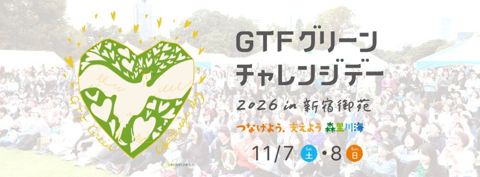 GTF Green Challenge Day 2026 in Shinjuku GyoenNov 7 (Sat) – Nov 8 (Sun) · Shinjuku Gyoen (Landscape Garden and Formal Garden) · on site
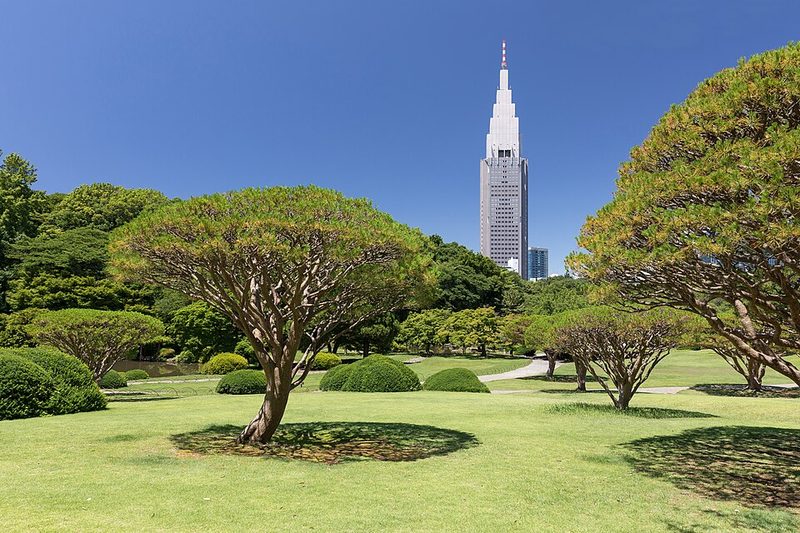 Shinjuku Gyoen Chrysanthemum Exhibition 2026Nov 1 (Sun) – Nov 15 (Sun) · Shinjuku Gyoen Japanese Garden · 0.2 km
- Gyoen Aki Bal 2026 (Shinjuku Machi-Bar Week)Oct 28 (Wed) – Oct 29 (Thu) · Participating shops around Shinjuku-gyoemmae Station · 0.4 km
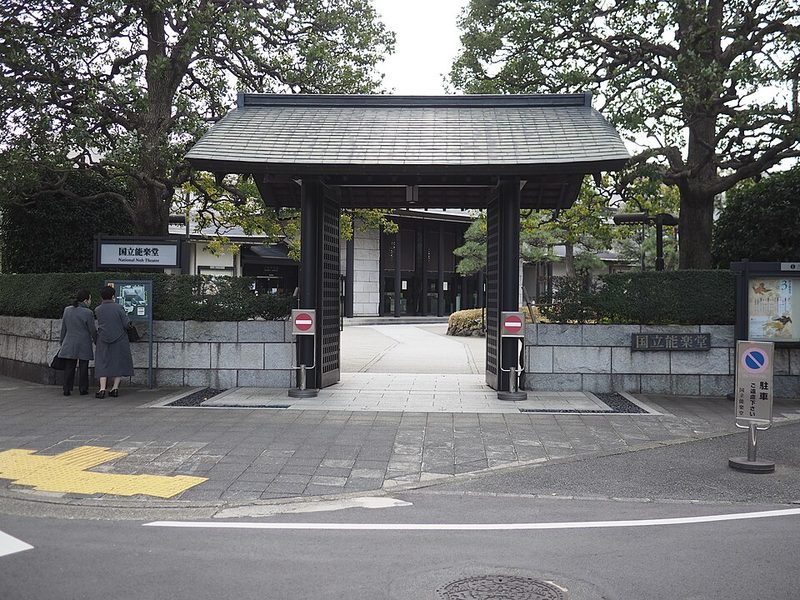 National Noh Theatre Special Exhibition “The Beauty of Drum Bodies: The Miyamoto Unosuke Collection”Sep 5 (Sat) – Nov 6 (Fri) · National Noh Theatre, Exhibition Room · 0.6 km · free
 Kids' Art & Craft Room (CCAA Art Plaza, Yotsuya)Nov 14 (Sat) – Dec 12 (Sat) · CCAA Art Plaza · 0.6 km
 Parent & Child Art (CCAA Art Plaza, Yotsuya)Nov 22 (Sun) – Dec 27 (Sun) · CCAA Art Plaza · 0.6 km
 Haikyu!! Wakuwaku School Festival POP UP SHOP by Production I.G (Shinjuku Marui Annex)Oct 23 (Fri) – Nov 8 (Sun) · Shinjuku Marui Annex 6F, Calendarium 6 · 0.7 km · free
 Shinjuku Takashimaya x Ibaraki FairOct 21 (Wed) – Oct 27 (Tue) · Shinjuku Takashimaya B1 (also 2F JR entrance on Oct 24-25) · 0.7 km
 Shinjuku Takashimaya 30th Anniversary Grand Hokkaido FairOct 21 (Wed) – Nov 3 (Tue, holiday) · Shinjuku Takashimaya · 0.7 km
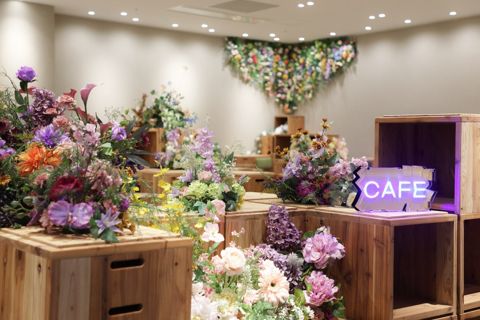 "You and I Are Polar Opposites" TV Anime Collab Café at Share Café (Retro Pop ver.)Oct 16 (Fri) – Nov 3 (Tue, holiday) · Share Café FLEUR, Shinjuku Marui Main Bldg (8F) · 0.9 km
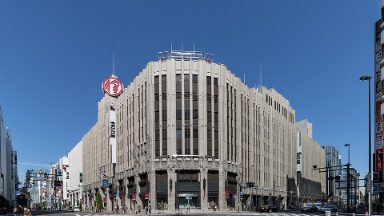 ISETAN SEAFOOD SELECTION (Isetan Shinjuku)Oct 28 (Wed) – Nov 3 (Tue, holiday) · Isetan Shinjuku Main Bldg B1 Food Collection · 0.9 km
- Ai Yamaguchi: "Momo to Shijukara" (Isetan Shinjuku Art Gallery)Oct 28 (Wed) – Nov 10 (Tue) · Isetan Shinjuku, Main Building 6F Art Gallery · 0.9 km
Visiting info
| Hours | March 15 – September 30: 9:00–18:00 (last entry 17:30). June 11 – July 31: 9:00–19:00 (last entry 18:30). October 1 – March 14: 9:00–16:30 (last entry 16:00) |
|---|---|
| Closed | Mondays (the next weekday if Monday is a holiday) and December 29 – January 3. Open every day during cherry blossom season (March 25 – April 24) and the Chrysanthemum Exhibition (November 1–15) |
| Admission | Adults ¥500 (¥400 in groups of 30+), seniors 65+ and students 16+ ¥250, 15 and under free. Free for holders of a Japanese disability certificate plus one caregiver. Annual pass: adults ¥2,000, high school students ¥1,000 |
| Payment | Transit IC cards are accepted at the entry gates. Advance e-tickets can be bought online (valid for six months) |
| Not allowed | Alcohol, pets (assistance dogs are OK), play equipment such as balls and frisbees, and drones. Smoking is banned everywhere in the garden |
| Address | 11 Naito-machi, Shinjuku-ku, Tokyo |
| Getting there | Shinjuku Gate: 10 min from Shinjuku Station (South Exit), 5 min from Shinjuku-sanchome or Shinjuku-gyoemmae Station (Exit 1). Okido Gate: 5 min from Shinjuku-gyoemmae (Exit 2). Sendagaya Gate: 5 min from Sendagaya or Kokuritsu-kyogijo Station (Exit A5) |
Checked on 2026-10-27 against the official pages. Hours and fees can change; please check before you go.
Sources: Ministry of the Environment: Shinjuku Gyoen visitor information / Ministry of the Environment: Shinjuku Gyoen garden rules / Ministry of the Environment: Shinjuku Gyoen access
What was Shinjuku Gyoen originally?
The story starts in 1590, when Naito Kiyonari, a retainer of Tokugawa Ieyasu, was granted the land and it became the Naito family estate. In 1654 the family returned part of it to the shogunate, and a post town on the Koshu Kaido highway, Naito-shinjuku, grew up there: the origin of the name “Shinjuku.” In 1772 the family completed its garden, Tamagawa-en, fed by water from the Tamagawa Aqueduct; Tamamo Pond still keeps its look.
In 1872 the government bought the Naito land and turned it into the Naito Shinjuku Experiment Station, testing Western crops and livestock. In 1879 it became the Imperial Household's “Plant Garden,” growing vegetables and flowers for the imperial family. In 1900 Fukuba Hayato, in France for the Paris Exposition, asked Henri Martinet of the Versailles horticultural school to redesign it, and in 1906 it was completed as the imperial garden “Shinjuku Gyoen.”
Air raids in 1945 burned almost everything except the Kyu-Goryo-Tei and the Western-style rest house. A 1947 cabinet decision made it a park for the people, and on May 21, 1949 it opened to the public as the National Garden Shinjuku Gyoen. It is now managed by the Ministry of the Environment.
Sources: 国民公園協会 新宿御苑「歴史表」 (Japanese) / 三井住友トラスト不動産「このまちアーカイブス 新宿」 (Japanese) / 国民公園協会 新宿御苑「歴史(裏)」 (Japanese)
Japan's first home-grown strawberry was born here
Fukuba Hayato, who turned the site into an imperial garden, was also a horticultural researcher. In 1902 he created the “Fukuba strawberry,” the first strawberry variety bred in Japan, and it spread nationwide in the Taisho era.
The greenhouse still grows Fukuba strawberries, which fruit from about January to April. If you visit in winter, look for the red berries.
Sources: 国民公園協会 新宿御苑「歴史(裏)」 (Japanese) / Ministry of the Environment: Shinjuku Gyoen greenhouse
The Naito fields turned red with chili peppers
In the Kyoho era (from 1716), encouraged by the 8th shogun Yoshimune, the Naito lands grew vegetables, and soba and “Naito togarashi” chili peppers became popular. The fields are said to have turned red at harvest time.
Naito togarashi is now one of the heirloom Edo-Tokyo vegetables, and the garden's Restaurant Yurinoki serves dishes using it and other Edo-Tokyo vegetables.
Sources: 国民公園協会 新宿御苑「歴史表」 (Japanese) / Ministry of the Environment: Shinjuku Gyoen facilities
The garden once had a zoo
In the early Meiji era, the Japanese garden area had a duck pond, a fish pond and a zoo. The animals were given to Ueno Zoo in 1926.
Between 1880 and 1884, an imperial duck-hunting ground, the Shinjuku Goryoba, was also built on the Upper Pond of the Japanese garden.
Sources: ニッポン旅マガジン「新宿御苑」 (Japanese) / 三井住友トラスト不動産「このまちアーカイブス 新宿」 (Japanese)
Home of the cherry blossom parties
From 1917 to 1938 the imperial cherry blossom viewing party was held here. Fukuba Hayato wrote that Ichiyo and Fugenzo were varieties to enjoy at those parties.
From 1952 the Prime Minister's annual “Cherry Blossom Viewing Party” was held here, welcoming guests from around the world.
Sources: ニッポン旅マガジン「新宿御苑の桜」 (Japanese) / 観光庁 多言語解説文「桜開花カレンダー」 (Japanese)
Emperor Showa's state funeral
In 1989 the funeral of Emperor Showa was held at Shinjuku Gyoen, a reminder that its imperial history continued after the war.
Sources: 環境省「新宿御苑」資料 (Japanese)
In 1958, the largest greenhouse in the East
The greenhouse destroyed in the war was rebuilt in 1958 and was then said to be the largest in the East. Today's greenhouse, rebuilt in 2012, covers about 2,750 m² and displays about 1,000 kinds of plants (about 2,700 including those grown behind the scenes).
Sources: Ministry of the Environment: Shinjuku Gyoen greenhouse / 三井住友トラスト不動産「このまちアーカイブス 新宿」 (Japanese)
Getting there by taxi and bus
🚕 Taxi
- Shinjuku Station east and west exit taxi stands (新宿駅 東口・西口) Say "Shinjuku Gyoen made" (新宿御苑まで). About 5–10 minutes and roughly ¥1,000 (sometimes about ¥800). Shinjuku Gate (新宿門) is the easiest drop-off; when busy, taxis may not be able to stop at the gate and you may walk a little. Carry some cash (per a NEWT travel article).
🚌 Bus
- Shinjuku 3-chome (新宿三丁目) Toei Bus 品97 (Shinagawa Depot – Shinjuku Station West Exit); boards at the Shinjuku Station West Exit bus terminal. For Shinjuku Gate. Shinjuku Gate
- Shinjuku 4-chome (新宿四丁目) Toei Bus 池86 (Ikebukuro Station East Exit – Shibuya Station East Exit). For Shinjuku Gate. Shinjuku Gate
- Shinjuku Isetan (新宿伊勢丹) Toei Bus 早77 (Waseda – Shinjuku Station West Exit). For Shinjuku Gate. Shinjuku Gate
- Shinjuku 1-chome (新宿一丁目) / Yotsuya 4-chome (四谷四丁目) Shinjuku 1-chome: Toei Bus 品97. Yotsuya 4-chome: Toei Bus 早81 (Waseda – Shibuya Station East Exit). Both for Okido Gate. Okido Gate
- Sendagaya Station-mae (千駄ヶ谷駅前) / Kita-sando (北参道) / National Noh Theatre Toei Bus 黒77 (Meguro Station – Sendagaya Station), 早81, 池86 (Kita-sando), and Hachiko Bus Jingu-no-Mori route (National Noh Theatre / Sendagaya Station). For Sendagaya Gate. Sendagaya Gate
Toei buses are board-at-front; adult ¥210, PASMO and Suica accepted. There is a parking lot next to Okido Gate, but it gets extremely crowded in cherry blossom and autumn leaf seasons, so public transport is recommended (official). Routes and stops can change, so check before boarding. You can also book a taxi by app: GO works in English with foreign phone numbers and cards, Uber books licensed taxis in Tokyo, and since early 2026 visitors can call S.RIDE taxis through DiDi in the 23 wards and nearby.
Sources: Shinjuku Gyoen: Access (Ministry of the Environment, official) / NEWT: access to Shinjuku Gyoen (Japanese) / JR East: Shinjuku Gyoen (Japanese) / Japan Taxi Apps for Tourists (Oct 12, 2026)
Our suggested route
- Enter at Shinjuku Gate The gate closest to Shinjuku Station. Pick up a map at the Information Center outside the gate (about 5 min).
- The Greenhouse About 1,000 kinds of plants, from Fukuba strawberries to tropical water lilies (about 20–30 min).
- Former Imperial Rest House The Western-style house in front of the Himalayan cedar. Check opening hours and look inside (about 10 min).
- Landscape Garden lawns Huge tulip trees and Himalayan cedars. Rest while looking along the main vista toward Shinjuku Gate (about 20 min).
- Formal Garden Rose beds and plane tree avenues in a symmetrical layout (about 15 min).
- Japanese Garden and Kyu-Goryo-Tei View the pond from the Chinese-style pavilion and have matcha at Shouten-Tei (about 30 min).
- Tamamo Pond to Okido Gate See the pond that keeps the look of an Edo daimyo garden, then leave by Okido Gate for Shinjuku-gyoemmae Station (about 15 min).
We found no source giving walking times. These are our estimates: about 2.5–3 hours for the full loop. From October 1 to March 14 last entry is 16:00, so arrive by early afternoon.
Sources: Ministry of the Environment: Shinjuku Gyoen gardens / Ministry of the Environment: Shinjuku Gyoen facilities / Ministry of the Environment: Shinjuku Gyoen greenhouse
What to see by season
| January – April | Fukuba strawberries fruit in the greenhouse |
|---|---|
| Mid February – late April | Cherry blossoms: about 1,300 trees of about 65 varieties bloom in turn (per Nippon Tabi Magazine) |
| Late March – early April | Somei-yoshino (about 400 trees) |
| Early – mid April | Ichiyo, the garden's signature double cherry (about 130 trees); Kanzan in mid April (about 90 trees) |
| July – October | Tropical water lilies in the greenhouse |
| From October | The plane tree avenues start to change color |
| November 1–15 | Chrysanthemum Exhibition (open daily); November 1–15 in 2026 too |
| December | Maples and metasequoias often peak |
Sources: 観光庁 多言語解説文「新宿御苑の桜」 (Japanese) / ニッポン旅マガジン「新宿御苑の桜」 (Japanese) / JR東日本 のってたのしい「新宿御苑」 (Japanese) / Ministry of the Environment: Shinjuku Gyoen greenhouse
Shinjuku Gyoen, Hama-rikyu or Rikugien?
At about 58.3 hectares, Shinjuku Gyoen is more than twice the size of Hama-rikyu (about 25 hectares). Hama-rikyu and Rikugien show Edo-period daimyo gardens as they were, while Shinjuku Gyoen is a modern garden where you can walk three styles, Japanese, formal and landscape, in one visit.
Our take: if you want to lie on the grass and also see a greenhouse and historic Western building, choose Shinjuku Gyoen; for the sea and skyscrapers in one view, Hama-rikyu. If you have two hours around shopping or dinner in Shinjuku, Shinjuku Gyoen is the easiest to fit in.
Sources: GLTJP「新宿御苑」 (Japanese) / 東京都建設局「浜離宮恩賜庭園」パンフレット (Japanese)
Nearby: combine with
- Shinjuku-sanchome and Shinjuku east side Shinjuku Gate is 5 minutes from Shinjuku-sanchome Station. After the garden, head into the department stores and restaurants there; our suggestion is to finish the evening in Shinjuku's alleyway bars.
- Japan National Stadium and Sendagaya Sendagaya Gate is 5 minutes from Sendagaya and Kokuritsu-kyogijo stations. Enter from Shinjuku and leave via Sendagaya to keep walking toward Jingu Gaien.
- Yotsuya side Okido Gate is 5 minutes from Shinjuku-gyoemmae Station. Outside the gate, a promenade built by Shinjuku City follows the old Naito Shinjuku branch of the Tamagawa Aqueduct.
Sources: Ministry of the Environment: Shinjuku Gyoen access / Ministry of the Environment: Shinjuku Gyoen gardens
Little-known highlights
- Kyu-Goryo-Tei (Taiwan Pavilion)
- Built in 1927 by Japanese residents of Taiwan to celebrate the wedding of the future Emperor Showa, in southern Chinese style. A Tokyo-selected historic building with a view over the Japanese garden pond.
- Former Imperial Rest House
- A Western-style house built in 1896 as a rest stop for the emperor and imperial family visiting the greenhouse. A national Important Cultural Property, with a large Himalayan cedar in front.
- Foundations of the old greenhouse
- The first greenhouse, built in 1875, was a small glass building of about 100 m². Its foundations are preserved at the east end of today's greenhouse.
- The St. Louis Expo bridge
- A bridge with concrete railings molded to look like wood, shown at the 1904 St. Louis World's Fair, was imported and assembled here by an American engineer in 1905.
- Metasequoias
- In 1950 Dr. R. W. Chaney of the University of California sent two two-year-old seedlings. They turn color around December.
- Plane tree avenues and roses
- The Formal Garden has about 500 rose bushes of about 100 kinds and about 160 plane trees (sycamores) in rows on both sides.
Sources: 国土交通省 関東地方整備局「新宿御苑旧御凉亭」 (Japanese) / 国民公園協会 新宿御苑「歴史(裏)」 (Japanese) / Ministry of the Environment: Shinjuku Gyoen greenhouse / Ministry of the Environment: Shinjuku Gyoen gardens
FAQ
What are the opening hours of Shinjuku Gyoen National Garden?
March 15 – September 30: 9:00–18:00 (last entry 17:30). June 11 – July 31: 9:00–19:00 (last entry 18:30). October 1 – March 14: 9:00–16:30 (last entry 16:00)
How much does Shinjuku Gyoen National Garden cost?
Adults ¥500 (¥400 in groups of 30+), seniors 65+ and students 16+ ¥250, 15 and under free. Free for holders of a Japanese disability certificate plus one caregiver. Annual pass: adults ¥2,000, high school students ¥1,000
How do I get to Shinjuku Gyoen National Garden?
Shinjuku Gate: 10 min from Shinjuku Station (South Exit), 5 min from Shinjuku-sanchome or Shinjuku-gyoemmae Station (Exit 1). Okido Gate: 5 min from Shinjuku-gyoemmae (Exit 2). Sendagaya Gate: 5 min from Sendagaya or Kokuritsu-kyogijo Station (Exit A5)
What was Shinjuku Gyoen originally?
The story starts in 1590, when Naito Kiyonari, a retainer of Tokugawa Ieyasu, was granted the land and it became the Naito family estate. In 1654 the family returned part of it to the shogunate, and a post town on the Koshu Kaido highway, Naito-shinjuku, grew up there: the origin of the name “Shinjuku.” In 1772 the family completed its garden, Tamagawa-en, fed by water from the Tamagawa Aqueduct; Tamamo Pond still keeps its look.
What are some little-known spots in Shinjuku Gyoen National Garden?
Kyu-Goryo-Tei (Taiwan Pavilion), Former Imperial Rest House, Foundations of the old greenhouse, The St. Louis Expo bridge, Metasequoias, Plane tree avenues and roses.