Senso-ji Temple guide: history, hidden spots and events nearby
Tokyo's oldest temple, said to have begun in 628 when a statue of Kannon was caught in a fishing net in the Sumida River. From Kaminarimon gate you walk the roughly 250 m Nakamise shopping street to Hozomon gate, the Main Hall and the five-story pagoda. The principal image has been a hidden Buddha since 645, and no one sees it even today.
Kyochika's tips
- The Main Hall opens at 6:00 (6:30 from October to March), and every morning at 6:00 the Bell of Time on Bentenyama is struck. Our recommendation: walk the straight path from Kaminarimon to the Main Hall in the morning, to the sound of the bell that once told Edo the time.
- Inside the Main Hall, look up at the ceiling: a dragon by Kawabata Ryushi in the center, and heavenly beings and scattering flowers by Domoto Insho on either side.
- On the way back, go up to the 8th floor of the Asakusa Culture Tourist Information Center (designed by Kengo Kuma) next to Kaminarimon. The free observation terrace looks over Asakusa and Tokyo Skytree and is open until 22:00.
Events near Senso-ji Temple now and coming up
Within 1.5 km, nearest first. Checked against official pages.
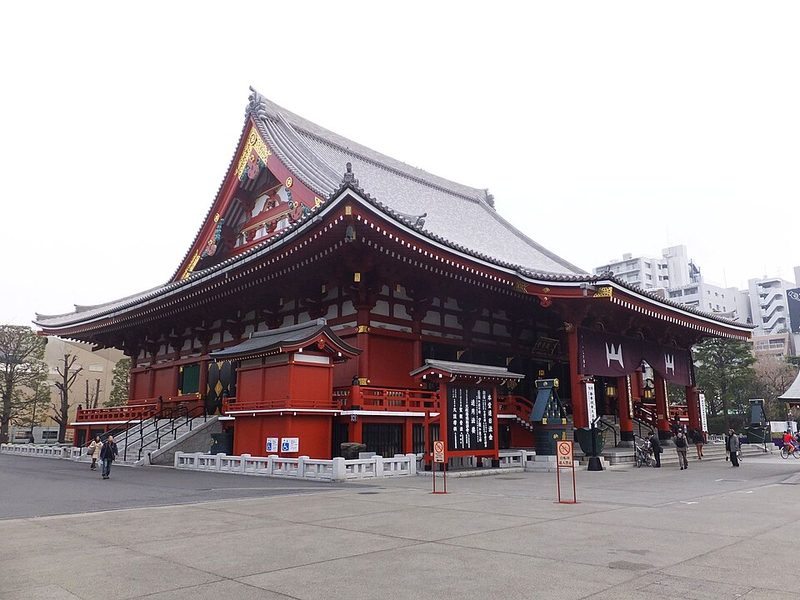 Senso-ji Toshi-no-Ichi (Hagoita Market)Dec 17 (Thu) – Dec 19 (Sat) · Senso-ji Temple grounds · on site
- Senso-ji New Year Visit and Great New Year Prayer 2027Jan 1 (Fri) – Jan 7 (Thu) · Senso-ji Temple · on site
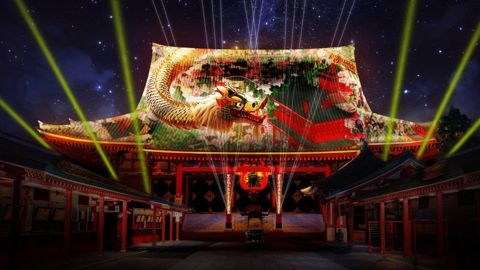 ASAKUSA CULTURE & LIGHTS 2026Oct 30 (Fri) – Nov 3 (Tue, holiday) · Senso-ji Temple Main Hall and Hozomon Gate · on site · free
 4th Grown-Ups' Marche (Asakusa)Dec 3 (Thu) · Taito Kumin Kaikan, 9F Hall · 0.2 km · free
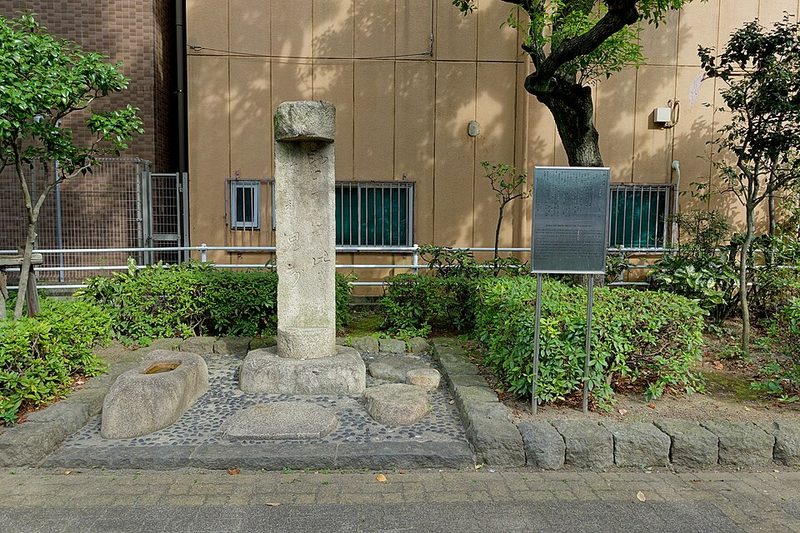 Hanakawado Park Flea MarketOct 31 (Sat) · Hanakawado Park (Asakusa) · 0.2 km
- Hanakawado Park Flea MarketNov 8 (Sun) · Hanakawado Park (Asakusa) · 0.2 km
- Hanakawado Park Flea MarketNov 28 (Sat) · Hanakawado Park (Asakusa) · 0.2 km
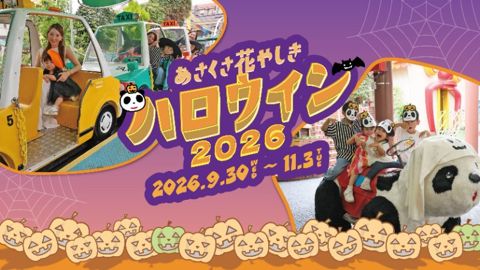 Hanayashiki Halloween 2026Sep 30 (Wed) – Nov 3 (Tue, holiday) · Asakusa Hanayashiki · 0.2 km
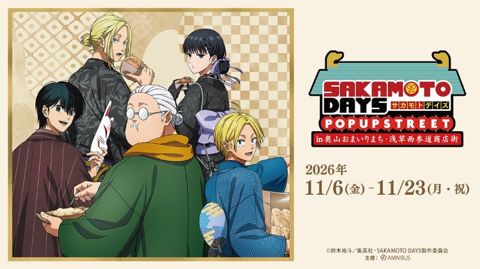 SAKAMOTO DAYS POP UP STREET in Okuyama Omairimachi & Asakusa Nishi-SandoNov 6 (Fri) – Nov 23 (Mon, holiday) · Okuyama Omairimachi & Asakusa Nishi-Sando shopping streets and more · 0.2 km
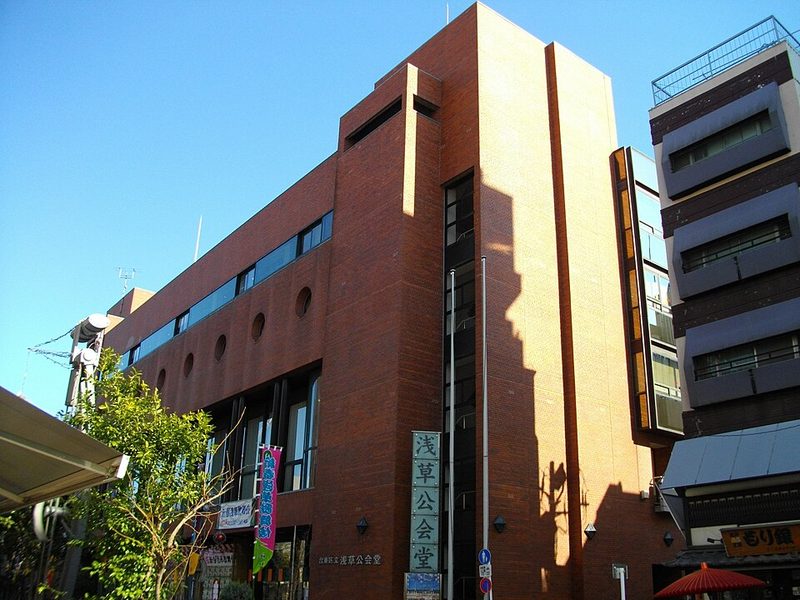 Try Samurai Sword Fighting! Parent-Child & Kids Classes (Edo Machi Taito Geirakusai)Nov 29 (Sun) – Dec 6 (Sun) · Asakusa Public Hall, Meeting Room 3 · 0.4 km
- 62nd Bando School Charity Dance RecitalOct 31 (Sat) · Asakusa Public Hall · 0.4 km
 Let's enjoy ORIGAMI (Asakusa Culture Tourist Information Center)Nov 17 (Tue) · Asakusa Culture Tourist Information Center 7F · 0.5 km · free
🍜 Where to eat after
Top-rated restaurants in Asakusa (Tabelog, sorted by rating)→Restaurants near here on Google Maps→Many restaurants in Japan take reservations, and some are cash only. Check the restaurant page before you go.
Next stop: book for later today PR
Tickets and experiences near here that you can book on Klook. Filter by “Today” to see what is still open.
Kimono rental in Asakusa→Rickshaw rides in Asakusa→Tokyo Skytree tickets→Sumida River cruises→All things to do in Tokyo →Visiting info
| Main Hall hours | 6:00–17:00 (from 6:30 between October and March). For other halls, contact the temple |
|---|---|
| Inquiries | 03-3842-0181 (9:00–16:30, except Sundays and holidays) |
| Address | 2-3-1 Asakusa, Taito-ku, Tokyo |
| Getting there | 5 min walk from Asakusa Station on the Tokyo Metro Ginza Line, Tobu Skytree Line or Tsukuba Express; 5 min from Exit A4 of Asakusa Station on the Toei Asakusa Line |
| Parking | The temple has no parking. Use the Taito City Kaminarimon Underground Parking or other nearby lots |
Checked on 2026-10-27 against the official pages. Hours and fees can change; please check before you go.
Sources: 浅草寺「交通案内」 (Japanese) / 浅草寺「本堂」 (Japanese)
How did Senso-ji begin?
On the morning of March 18, 628, two brothers, Hinokuma Hamanari and Takenari, were fishing in the Miyato River (today's Sumida River) when a statue caught in their net. Each time they put it back and moved elsewhere, it came up in the net again, so they took it home. The local head, Hajino Nakatomo, recognized it as the bodhisattva Sho Kannon. The next day village children enshrined it in a hut of grass, and Nakatomo turned his own house into a temple and devoted his life to Kannon.
In 645 the monk Shokai put up a Kannon hall, and from then on the principal image became a hidden Buddha. In 942 Taira no Kimimasa built a full temple complex, and in 1590 Tokugawa Ieyasu, newly arrived in Edo, made it his temple of prayer. In 1649 the Main Hall was rebuilt with support from the third shogun, Iemitsu.
The old Main Hall had been a National Treasure, but it, the Nio gate and the pagoda all burned in the Tokyo air raid of March 10, 1945. The present Main Hall, of reinforced concrete, was completed on October 15, 1958; Kaminarimon was rebuilt in 1960, Hozomon in 1964 and the pagoda in 1973.
Sources: 浅草寺「浅草寺を知る」 (Japanese) / 浅草寺「略式年表」 (Japanese) / 浅草寺「本堂」 (Japanese)
Where was the hidden Buddha during the fires?
Senso-ji has burned many times. When the Main Hall burned in 1079, the principal image is said to have taken refuge in the top of a hackberry tree west of the hall.
In the 1945 air raid the Main Hall burned down, but the principal image had been placed underground in a large water basin beforehand and survived. On April 30, 1955 a gold-leafed inner shrine was completed and the image moved into it: the hidden Buddha sits in the upper chamber, with a stand-in image in the lower one.
Sources: 浅草寺「浅草寺を知る」 (Japanese) / 浅草寺「本堂」 (Japanese)
The Golden Dragon behind the temple's name
According to the temple's origin story, after the image was enshrined about a thousand pine trees sprang up in one night, and three days later a dragon with golden scales descended into the pines. This is the source of the temple's mountain name, Kinryuzan ("Golden Dragon Mountain").
The Golden Dragon Dance, based on this story, began in 1958 to celebrate the rebuilt Main Hall. It is now performed every year on March 18 and October 18.
Sources: 浅草寺「浅草寺を知る」 (Japanese) / 浅草寺「浅草寺寺舞」 (Japanese)
Kaminarimon was missing for 95 years
The gate's official name is Furaijinmon, after the Wind God and Thunder God statues on either side; by the Bunka era (1804–1818) people already called it Kaminarimon, "Thunder Gate."
After it burned in the Tawaramachi fire of 1865, it was not rebuilt for 95 years. The current gate was donated in 1960 by Matsushita Konosuke, president of Matsushita Electric (now Panasonic), in thanks, the temple says, for recovering from joint pain after praying to Kannon. The great lantern is 3.9 m tall and weighs about 700 kg; the April 2020 replacement was its sixth.
Sources: 浅草寺「雷門」 (Japanese)
Nakamise began as a reward for sweeping
Nakamise dates to around 1685. Local residents who had to clean the temple grounds as a duty were allowed, in return, to set up stalls along the approach.
In 1885 the street was rebuilt with Western-style brick shops, and after the Great Kanto Earthquake it was rebuilt in 1925 in vermilion reinforced concrete. According to GO TOKYO it has about 90 shops today.
Sources: 浅草寺「仲見世」 (Japanese) / GO TOKYO: Sensoji Temple (Asakusa Kannon)
Mischievous raccoon dogs turned fire guardians
Chingodo, west of the Main Hall, enshrines the tanuki (raccoon dogs) that lived on the temple grounds. Driven out of Ueno and Okuyama, they gathered around Denpoin and made mischief, throwing sandals into cooking pots and scattering sand in the rooms.
In 1883 a tanuki appeared in a dream and promised to protect Denpoin from fire if a hall were built for them, so they were enshrined. Denpoin and Chingodo are said to have escaped both the Great Kanto Earthquake and the air raids, and besides protection from fire and theft, rakugo storytellers and kabuki actors pray here because "tanuki" sounds like "ta-nuki," getting ahead of others.
Sources: 浅草寺「鎮護堂」 (Japanese)
The Bell of Time in Basho's haiku
The bell on Bentenyama was one of the bells that told the time to the people of Edo. It was recast in 1692 on the orders of the fifth shogun, Tsunayoshi, and was spared when many temple bells were handed over for metal during the war.
Matsuo Basho, who lived in Fukagawa, wrote of it: "A cloud of blossoms — is that bell from Ueno, or Asakusa?" It is still struck every morning at 6:00, and on New Year's Eve it rings out the old year.
Sources: 浅草寺「弁天山」 (Japanese)
Getting there by taxi and bus
🚕 Taxi
- JR Ueno Station taxi stand (JR上野駅) On the right after you exit the central ticket gate. Say "Sensoji made" (浅草寺まで). About 10 minutes; drivers usually drop you at Kaminarimon, about a 5-minute walk to the main hall (per a NEWT travel article; fare is said to be around ¥1,000 but varies with traffic).
🚌 Bus
- Asakusa Kaminarimon (浅草雷門) Toei Bus 上23 (Ueno Station to Hirai via Skytree). About 12 minutes from Ueno Station; about 1 minute on foot from the stop to Kaminarimon. About 1 min
- Kaminarimon-dori (雷門通り), north and south sides Toei S-1 Shitamachi Bus: sightseeing route linking Tokyo Station, Ueno Park, Asakusa and Tokyo Skytree, about every 20 minutes. North side goes toward Skytree, south side toward Ueno. Short walk from Kaminarimon-dori
- Kaminarimon-mae (浅草雷門前) Taito Ward loop bus Tozai Megurin (about 15 minutes from Matsugaya). About 3 min (130 m) to Asakusa Station Exit 1
- Tobu Asakusa Station east side (東武浅草駅 東口前) Taito Megurin: North and East-West routes (stop 1/30), North-South route (stop 17). Every 15–20 minutes. At the station
Other ways to get around
- Taito Ward loop bus Megurin (めぐりん) ¥100 per ride for adults and children; IC cards such as PASMO and Suica accepted. Every 15–20 minutes.
- Skytree Shuttle (Tobu Bus) Ueno Station Park Exit – Asakusa Kaminarimon – Kappabashi Dogugai entrance – Tokyo Skytree Town. Adult ¥220 (¥216 by IC card).
- Sky Hop Bus (open-top) Asakusa–Tokyo Skytree course, also passing Ueno and Akihabara. 24-hour pass: adult ¥3,500, child ¥1,700. The Asakusa stop is about an 8-minute walk north of Tobu Asakusa Station along Edo-dori.
Toei buses are board-at-front, pay-on-entry; PASMO and Suica work (adult ¥210, ¥206 by IC card). The Toei One-day Pass (Marugoto Kippu, ¥700) covers Toei buses and subways. Senso-ji has no parking of its own and the Kaminarimon area gets crowded, so trains and buses are easier. You can also book a taxi by app: GO works in English with foreign phone numbers and cards, Uber books licensed taxis in Tokyo, and since early 2026 visitors can call S.RIDE taxis through DiDi in the 23 wards and nearby.
Sources: Asakusa bus guide (Asakusa Station) / Ueno bus guide (Ueno Station) / Tokyo Metropolitan Govt. Accessible Tourism: Asakusa course / NEWT: getting to Senso-ji (Japanese) / Skytree Shuttle 1-Day Pass (Jorudan) / Japan Taxi Apps for Tourists (Oct 12, 2026)
Our suggested route from Kaminarimon
- Kaminarimon gate Start in front of the Wind and Thunder Gods and the great lantern. The gate also holds dragon statues donated in 1978 (5 min).
- Nakamise About 250 m of vermilion shops to Hozomon. About 5 minutes if you just walk; allow 20 minutes if you snack along the way.
- Hozomon gate After passing through, turn around to see the giant straw sandals on the back (5 min).
- Main Hall Waft incense smoke over yourself at the incense burner, pray, and look up at the dragon on the ceiling (15 min).
- Five-story pagoda Southwest of the Main Hall. Relics brought from Sri Lanka rest in its top level (5 min).
- Asakusa Shrine and Nitenmon East of the Main Hall: the shrine to the three founders of Senso-ji, and the early Edo-period Nitenmon gate (15 min).
- The Bell of Time on Bentenyama A small hill southeast of the Main Hall. See Basho's bell, then return to Kaminarimon by the street east of Nakamise (10 min).
Apart from the length of Nakamise (about 250 m), we found no source giving walking times. The times are our estimates; the whole loop takes about an hour. The Main Hall is open 6:00 (6:30 from October to March) to 17:00.
Sources: 浅草寺「仲見世」 (Japanese) / 浅草寺「雷門」 (Japanese) / 浅草寺「宝蔵門」 (Japanese) / 浅草寺「本堂」 (Japanese) / 浅草寺「五重塔」 (Japanese) / 浅草寺「二天門」 (Japanese) / 浅草寺「弁天山」 (Japanese) / ニッポン旅マガジン「浅草神社」 (Japanese) / GO TOKYO: Sensoji Temple (Asakusa Kannon)
What to see by season
| January 1–7 | New Year prayer services (Shusho-e from December 31 to January 6) |
|---|---|
| Setsubun in February | Setsubun-e, with the Seven Lucky Gods dance |
| March 18 | The day the image appeared: a memorial service and the Golden Dragon Dance |
| 2nd Sunday of April | The White Heron Dance (also during the Sanja Matsuri in May and on November 3) |
| May | Sanja Matsuri of Asakusa Shrine; in 2026 it was held May 15–17 |
| July 9–10 | Shiman-rokusen-nichi and the Hozuki (ground cherry) Market. A visit on the 10th is said to bring the merit of 46,000 days, and lightning-protection charms are given out |
| October 18 | Chrysanthemum memorial service and the Golden Dragon Dance |
| December 17–19 | Hagoita Market, with dozens of stalls selling decorated battledores |
| December 31 | New Year's Eve bell |
Sources: 浅草寺「年中行事」 (Japanese) / 浅草寺「浅草寺寺舞」 (Japanese) / 浅草寺「四万六千日・ほおずき市」 (Japanese) / 浅草寺「納めの観音ご縁日・羽子板市」 (Japanese) / GO TOKYO「三社祭」 (Japanese)
Senso-ji or Meiji Jingu?
Senso-ji is a Buddhist temple said to date from 628, devoted to Kannon. Meiji Jingu is a Shinto shrine founded in 1920 for Emperor Meiji and Empress Shoken, set in a man-made forest of about 700,000 m².
Right east of Senso-ji's Main Hall stands Asakusa Shrine, so temple and shrine sit side by side. Until the separation of Buddhism and Shinto in the early Meiji period, the shrine was called Sanja Gongen and was one with Senso-ji.
Our take: for the bustle of old Edo and lucky charms, Senso-ji; for a walk in the forest, Meiji Jingu. At Senso-ji you can visit a temple and a shrine in one go.
Sources: 浅草寺「浅草寺を知る」 (Japanese) / 明治神宮「明治神宮とは」 (Japanese) / ニッポン旅マガジン「浅草神社」 (Japanese)
Nearby combinations
- Asakusa Shrine Just east of the Main Hall, enshrining the three founders of Senso-ji: Hinokuma Hamanari, Takenari and Hajino Matsuchi. Its buildings, donated by Iemitsu in 1649, are an Important Cultural Property.
- Asakusa Culture Tourist Information Center A tourist center by Kaminarimon designed by Kengo Kuma. The 8th-floor observation terrace is free and looks over Asakusa and Tokyo Skytree. Open until 22:00.
- Sumida River Walk and Tokyo Mizumachi A pedestrian bridge about 160 m long across the Sumida River from the Asakusa side toward Tokyo Skytree, with glass panels in the floor; open 7:00–22:00. On the far side, Tokyo Mizumachi's shops sit under the railway tracks.
- Sumida River water buses From a pier 3 minutes' walk from Asakusa Station, boats run to Hinode Pier, Odaiba and Toyosu. As of February 2026, the Hama-rikyu Gardens stop is for getting off only.
Sources: ニッポン旅マガジン「浅草神社」 (Japanese) / タイムアウト東京「浅草文化観光センター」 (Japanese) / GO TOKYO「東京ミズマチ/すみだリバーウォーク」 (Japanese) / GO TOKYO: A guide to Asakusa
Little-known spots
- The giant straw sandals behind Hozomon
- 4.5 m tall, 1.5 m wide and weighing 500 kg, made from about 2,500 kg of rice straw. People from Murayama City in Yamagata donate them; the pair from October 2018 is the eighth (the first was in 1941).
- Nitenmon gate
- A vermilion wooden gate built in 1649 as the east gate, now an Important Cultural Property. It survived the air raids from the early Edo period, and repairs in 2007–2009 restored its original look. Its two guardian kings came in 1957 from the mausoleum of shogun Tokugawa Ietsuna at Kan'eiji.
- A ginkgo with war scars
- The sacred ginkgo at Chingodo is estimated at 400–500 years old. Burn marks from the 1945 air raid are still visible on its trunk.
- The Buddha's relics in the pagoda
- The top level of the five-story pagoda holds relics of the Buddha received from Isurumuniya temple in Sri Lanka on March 18, 1966. The pagoda stands about 53 m above the ground.
- The "Semui" plaque on the Main Hall
- The huge plaque on the front of the Main Hall was written by the calligrapher Bundo Shunkai. It is about 4 m wide and weighs 700 kg.
- Komagatado, where it all began
- A small hall by Komagata Bridge on the Sumida River, said to be where the statue came ashore in 628; the temple calls it the birthplace of Senso-ji. The Kaisatsu-hi stone nearby (1693) banned fishing on this stretch of the river and is a Tokyo cultural property.
Sources: 浅草寺「宝蔵門」 (Japanese) / 浅草寺「二天門」 (Japanese) / 浅草寺「鎮護堂」 (Japanese) / 浅草寺「五重塔」 (Japanese) / 浅草寺「本堂」 (Japanese) / 浅草寺「駒形堂」 (Japanese)
FAQ
What are the opening hours of Senso-ji Temple?
6:00–17:00 (from 6:30 between October and March). For other halls, contact the temple
How do I get to Senso-ji Temple?
5 min walk from Asakusa Station on the Tokyo Metro Ginza Line, Tobu Skytree Line or Tsukuba Express; 5 min from Exit A4 of Asakusa Station on the Toei Asakusa Line
How did Senso-ji begin?
On the morning of March 18, 628, two brothers, Hinokuma Hamanari and Takenari, were fishing in the Miyato River (today's Sumida River) when a statue caught in their net. Each time they put it back and moved elsewhere, it came up in the net again, so they took it home. The local head, Hajino Nakatomo, recognized it as the bodhisattva Sho Kannon. The next day village children enshrined it in a hut of grass, and Nakatomo turned his own house into a temple and devoted his life to Kannon.
What are some little-known spots in Senso-ji Temple?
The giant straw sandals behind Hozomon, Nitenmon gate, A ginkgo with war scars, The Buddha's relics in the pagoda, The "Semui" plaque on the Main Hall, Komagatado, where it all began.