Hokoku-ji Temple (Bamboo Temple) guide: history, hidden spots and events nearby
Staying nearby? Where to stay in Shinagawa for getting around →
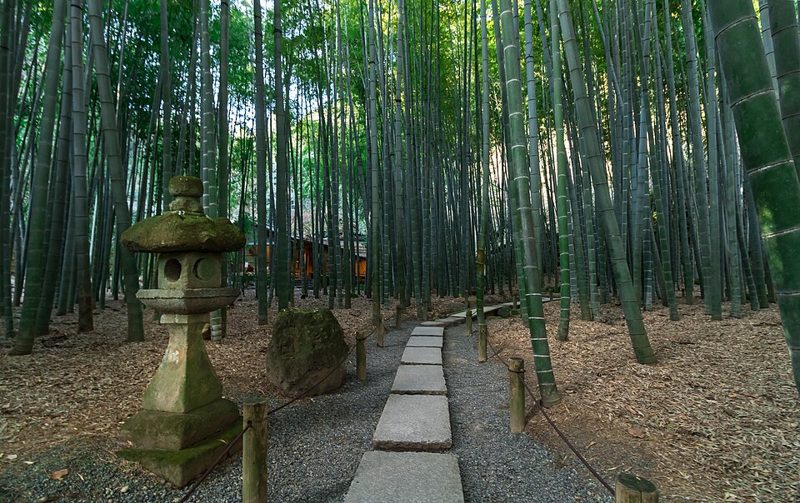
Hokoku-ji is a Rinzai Zen Buddhist temple in eastern Kamakura, best known for its remarkable garden of approximately 2,000 towering moso bamboo plants. Beyond the bamboo are moss-covered stones, a traditional dry-landscape garden, a matcha tea pavilion, and the history of the Ashikaga samurai family. Founded in 1334, it offers visitors a chance to discover the relationship between Zen, medieval Japanese culture, and the natural landscape of Kamakura.
🎧 English audio guide · first track free (10 tracks) →
Kyochika's tips
- Rather than heading straight to the famous bamboo grove, give yourself time to appreciate the mossy entrance path and the historic bell tower.
- Morning can be a good choice if you want time to explore before visiting the tea pavilion, although lighting, weather, and visitor numbers will vary.
- Combining Hokoku-ji with nearby Jomyo-ji makes an appealing half-day introduction to the Zen temples of eastern Kamakura.
Visiting info
| Opening hours | 9:00 AM–4:00 PM for regular bamboo-garden admission. Special evening events have separate arrangements. |
|---|---|
| Closed | December 29–January 3. Admission may also be suspended because of weather or other circumstances. |
| Admission | Ages high school and above: ¥400. Elementary and junior high school students: ¥200. |
| Matcha tea | ¥600 for matcha with a small serving of traditional dried Japanese sweets. Bamboo-garden admission is an additional charge. |
| Tea ticket hours | 9:00 AM–3:30 PM. Buy the tea ticket at the bamboo-garden admission reception. Tea ticket sales may be temporarily suspended during busy periods. |
| Payment | The temple's official website does not clearly specify accepted credit cards, electronic payments, or cash-only arrangements. Carrying sufficient Japanese yen in cash is advisable. |
| Address | 2-7-4 Jomyoji, Kamakura, Kanagawa 248-0003, Japan. |
| From Kamakura Station | Use the Keikyu Bus from stop 4 at the east exit, bound for Kamakura Reien Shomon-mae Tachiarai, Kanazawa-Hakkei, or the Highland area. Ride approximately 12 minutes to Jomyoji, then walk approximately 3 minutes. |
| Walking from Kamakura Station | Approximately 35 minutes according to the Kamakura City Tourism Association. |
| Taxi from Kamakura Station | Approximately 7 minutes from the east exit. |
| From Hase Station | Take the Enoden railway to Kamakura Station, then use the east-exit bus or a taxi. The temple does not publish a complete journey time from Hase. |
| From Kita-Kamakura Station | Take the JR Yokosuka Line to Kamakura Station and continue by bus or taxi. An official door-to-door journey time is not provided. |
| From Enoshima Station | Take the Enoden railway to Kamakura Station and continue by bus or taxi. The temple does not publish a total journey time from Enoshima. |
| From Tokyo Station | Take the direct JR Yokosuka Line to Kamakura, approximately 60 minutes, followed by the bus journey of approximately 12 minutes and the final 3-minute walk. Allow extra time for transfers and waiting. |
| Photography | Handheld personal photography is generally possible where permitted, but tripods, monopods, and selfie sticks are prohibited. Do not cross barriers or touch plants. Commercial photography should be discussed with the temple in advance. |
| Visitor etiquette | Keep voices low. The temple's English instructions also prohibit smoking, crossing fences, touching plants, eating or drinking outside designated arrangements, and bringing pets except guide dogs. |
| English-language information | The temple provides an official English-language website with access, admission, background information, and visitor rules. Availability of English signs or printed pamphlets at the temple has not been confirmed. |
| Accessibility | The official Enoden and Odakyu area guide lists a wheelchair-accessible route as far as the dry-landscape garden, but states that the bamboo garden and Kyuko-an tea pavilion are not wheelchair-accessible. Confirm current arrangements with the temple before visiting if step-free access is essential. |
| Official website | https://houkokuji.or.jp/en/ |
Checked on 2026-11-05 against the official pages. Hours and fees can change; please check before you go.
Sources: Hokoku-ji Temple official admission guide (Japanese) / Hokoku-ji Temple official access information (Japanese) / Hokoku-ji Temple official English information
The story of Hokoku-ji: samurai memorial, Zen monastery, and bamboo garden
Hokoku-ji was established in 1334, immediately after the collapse of the Kamakura shogunate. Its founding priest was Tengan Eko, also known by the honorific title Butsujo Zenji, a Japanese Zen monk who had studied Buddhist teachings in Yuan-dynasty China. The temple identifies Ashikaga Ietoki as its founding patron, although Ietoki had died in 1284. According to the temple's own historical account, Uesugi Shigekane, a relative and supporter of the Ashikaga family, was responsible for establishing the temple to commemorate Ietoki. The two families were connected through marriage: Shigekane's aunt Kiyoko married Ashikaga Sadauji, Ietoki's son. Ietoki's grandson Ashikaga Takauji would later become the first shogun of the Ashikaga military government in 1338. The temple therefore belongs to a particularly important moment in Japanese history, when the political power once centered on Kamakura was being reorganized under a new military leadership.
Although today the temple is frequently introduced through its bamboo garden, its original significance was religious and commemorative. It was associated with powerful warrior families, provided a place for prayers on behalf of the dead, and supported Zen Buddhist practice. Tengan Eko brought knowledge gained through his studies in China, including the literary traditions closely associated with medieval Zen communities. The temple's principal image is a seated representation of Shakyamuni, the historical Buddha. Its grounds also preserve stories of the Ashikaga family's political struggles. Behind the gardens are artificial burial caves known as yagura, traditionally associated with Ashikaga Ietoki and Ashikaga Yoshihisa. These features remind visitors that Kamakura was not simply a picturesque town of temples and gardens but a major political center in medieval Japan.
The buildings visible today are not all medieval originals. Fires in the nineteenth century destroyed important religious objects, while the Great Kanto Earthquake of 1923 caused extensive damage to the temple complex. Reconstruction and repair gradually produced its present appearance. One especially important survivor is the bell tower, which dates to 1757 and is the oldest surviving structure on the grounds. Kashodo, a hall associated with Zen meditation, was constructed in 1978. Behind the main hall is the bamboo grove, traditionally associated with the place where Tengan Eko devoted time to meditation, reading, and composing poetry. The roughly 2,000 bamboo plants now create the temple's defining landscape, but their cultural significance is closely connected to the longer history of Zen practice, poetry, remembrance, and the changing fortunes of Kamakura's warrior families.
Sources: Hokoku-ji Temple official history (Japanese) / Kamakura City Tourism Association temple history (Japanese) / Ministry of Land, Infrastructure, Transport and Tourism, Introduction to Hokokuji Temple
A samurai tragedy hidden beyond the bamboo
One of the most memorable details of Hokoku-ji is that its beautiful gardens stand beside a site associated with a tragic episode in samurai history. The temple's official history records that Ashikaga Yoshihisa, a son of the fourth Kamakura kubo, Ashikaga Mochiuji, died by suicide at this location during the Eikyo conflict of 1438. The Kamakura kubo was a regional political authority representing the Ashikaga family in eastern Japan, and conflicts involving this institution contributed to the instability of the period. The burial caves in the temple grounds are traditionally associated with Yoshihisa and Ashikaga Ietoki, whose memory inspired the temple's foundation.
These caves are called yagura, a distinctive type of artificial tomb commonly found around Kamakura. Rather than imagining them as mysterious tunnels or hidden passages, it is more accurate to understand them as funerary spaces cut into the surrounding rock. Their association with named historical figures comes from temple tradition and should not be treated as conclusive archaeological identification. Nevertheless, they provide an unusually powerful contrast with the elegant bamboo garden. Visitors can encounter a landscape that has been shaped both by Buddhist contemplation and by the political conflicts of medieval Japan. It is a reminder that the serenity of a historic temple and the violence of its historical setting can exist in the very same place.
Sources: Hokoku-ji Temple official historical account (Japanese) / Kanagawa Prefecture official tourism information (Japanese)
The Zen monk whose poems survived a fire
Tengan Eko was more than the founding priest of Hokoku-ji. Having studied Zen in China, he also participated in the literary culture that developed around Japanese Buddhist monasteries. His collection of writings known as Tokishu includes Chinese-style poetry associated with his return from China. The manuscript is recognized as an Important Cultural Property of Japan. It offers a glimpse into a period when monks helped transmit not only religious teachings but also literature, calligraphy, and intellectual traditions across the sea between Japan and China.
The temple suffered a serious fire during the Meiji period, and some of its treasured religious objects were lost. However, the poetry manuscript, wooden seals connected with the founder, and other historical materials survived. Many of Hokoku-ji's significant objects are now entrusted to the Kamakura Kokuhokan Museum for preservation. This means that an ordinary visit to the bamboo garden does not necessarily include an opportunity to see the original manuscripts or treasures. If medieval Buddhist art interests you, it is worth checking the museum's current exhibition information separately rather than assuming the objects are on permanent display. The survival of these documents makes Hokoku-ji important to the history of Zen literature as well as landscape gardening.
Sources: Kamakura City Tourism Association history (Japanese) / Hokoku-ji Temple official English history
Sunday meditation is a genuine religious practice
Visitors who want to understand Hokoku-ji beyond its scenery may be interested in the Sunday Zen meditation meeting. The temple holds a zazen session on Sundays from 7:30 AM to 9:15 AM, with reception between 7:00 AM and 7:30 AM. Reservations are not normally required, and the temple describes the activity as open to everyone. Nevertheless, this should not be mistaken for a casual tourist workshop or a brief demonstration designed for photography.
The temple explicitly states that the session is demanding and that participants must be prepared to follow its rules. The instruction is principally in Japanese, with no interpreting service. Late admission is not permitted after the gate closes at 7:30 AM, and early departure is generally not allowed. Comfortable, loose clothing is recommended. Ordinary sightseeing hours begin later, at 9:00 AM, so the meditation meeting is a separate experience from a standard bamboo-garden visit.
For international travelers who do not understand Japanese, the language requirement is an important consideration. The official temple page points visitors seeking English-language Zen instruction toward Tokozenji in Yokohama, although that temple's own arrangements should be checked independently. At Hokoku-ji, the best approach is to respect the meditation meeting as part of the temple's continuing religious life. Do not enter expecting a guided English introduction, and check for cancellation notices during severe weather, special temple events, or the year-end closure period.
Sources: Hokoku-ji Temple official Sunday meditation information (Japanese)
Advertisement
A new way to see the bamboo garden after dark
An important change for 2026 is the introduction of regular special evening visits. In an announcement dated October 27, 2026, Hokoku-ji stated that it would begin organizing limited-capacity evening illuminations from November. The planned schedule is approximately twice per month, generally around the first and third Saturdays, although the actual dates may vary. The program is intended to offer a different experience of the temple grounds outside normal daylight visiting hours.
These evening visits are not included in an ordinary daytime admission ticket. Advance booking through the temple's official Peatix page is strongly recommended, and ticket sales end when the limited allocation is exhausted. Tickets may be available at the entrance if places remain, but the temple does not guarantee walk-in admission. Since dates, prices, and entry times are event-specific, they should be confirmed on the booking page before planning travel.
The distinction matters especially for visitors making a day trip from Tokyo. Do not assume that the bamboo garden stays open after 4:00 PM simply because an evening illumination program exists. A visit after the normal closing time requires arrangements for that particular event. The lighting may offer a striking contrast to the daytime appearance of the bamboo, but the experience should still be approached as a visit to a working Buddhist temple where quiet behavior and respect for the grounds remain important.
Sources: Hokoku-ji Temple official October 27, 2026 announcement (Japanese) / Hokoku-ji official evening admission booking page
Getting there by taxi or bus
🚕 Taxi
- Taxi The simplest taxi arrangement is to depart from Kamakura Station's east exit. The temple estimates a journey of approximately seven minutes, although road conditions can affect the actual time. No dedicated taxi rank at Hokoku-ji itself has been verified in official information. For the return journey, arrange a taxi pickup if necessary rather than assuming one will be waiting outside the gate.
🚌 Bus
- Bus Use the Keikyu Bus from stop 4 at the east exit of Kamakura Station. Relevant services include routes Kama 23 toward Kamakura Reien Shomon-mae Tachiarai, Kama 24 toward Kanazawa-Hakkei, and Kama 36 on the Highland circuit, depending on the current timetable. Get off at Jomyoji after approximately 12 minutes and walk about three minutes to the temple. For the return journey, use the bus stop serving Kamakura Station-bound buses.
Other ways to get around
- Other Walking from Kamakura Station takes approximately 35 minutes according to the local tourism association. Travelers from Tokyo can reach Kamakura Station directly using the JR Yokosuka Line in approximately 60 minutes from Tokyo Station. Travelers approaching from Hase or Enoshima can use Enoden to reach Kamakura, while those from Kita-Kamakura can use the JR Yokosuka Line before transferring to the local bus.
The temple's official website and the Kamakura City Tourism Association are the primary sources for published journey times. Waiting periods and traffic delays are not included. Keikyu Bus timetables, route numbers, and departure arrangements should be checked before travel. A published taxi journey time does not establish the presence of a permanent taxi stand at the temple.
Sources: Hokoku-ji Temple official access instructions (Japanese) / Keikyu Bus Jomyoji stop timetable and routes (Japanese) / Kamakura City Tourism Association access information (Japanese)
A self-guided walk from the main gate
- 1. Main gate and entrance — approximately 2–3 minutes Begin at the temple gate rather than rushing directly toward the bamboo. Notice how the entrance leads into a greener environment framed by trees, moss, and stone. Hokoku-ji is a Buddhist temple first and a sightseeing attraction second. Keep your voice low and allow people who have come to pray to pass comfortably. The entrance is also a good place to appreciate how the temple sits within the narrow valleys characteristic of Kamakura.
- 2. Moss-covered approach — approximately 3–5 minutes Continue along the gently rising path toward the main hall. Look at the moss-covered stones and the varying textures of the ground. The temple's official guide describes the moss as particularly attractive after rainfall. This section deserves attention because it introduces the use of natural materials that continues throughout the grounds. Even before the bamboo garden comes into view, the contrast of greenery and stone establishes much of the temple's atmosphere.
- 3. Main hall and bell tower — approximately 5 minutes As you approach the main hall, look toward the building reached by steps on your right. The temple asks visitors to greet its principal object of worship with joined hands and a respectful bow. The historic bell tower is another essential stop. Built in 1757, it provides a direct connection to the temple's older architectural traditions. Pay attention to its thatched roof, which is especially interesting because much of the surrounding complex has been reconstructed.
- 4. Bamboo-garden reception — approximately 2–3 minutes Near the main hall, find the reception for the bamboo garden. Pay the required admission fee before entering. If you wish to drink matcha at the tea pavilion, purchase the separate tea ticket here as well. The tea ticket is not sold indefinitely throughout the afternoon: official sales hours end at 3:30 PM, and issuance can be suspended during busy periods. Ask for directions if the reception arrangements are unclear.
- 5. Bamboo grove — approximately 10–15 minutes The temple's best-known feature is the grove of around 2,000 moso bamboo plants. Follow the designated paths and look upward to see how the tall stems form a canopy. Notice how the daylight falls differently between closely spaced trunks and more open areas. On breezy days, listen for the movement and sound of the bamboo leaves. The garden is not a wilderness trail: stay within the permitted route, avoid blocking narrow sections, and never cross fences for photographs.
- 6. Kyuko-an tea pavilion — approximately 15–20 minutes If you have purchased a tea ticket, take time to enjoy a bowl of matcha and the accompanying dried sweets while looking out toward the bamboo. The tea pavilion offers a natural opportunity to stop moving and concentrate on small details, such as the colors of the stalks, the sounds of water, and changes in the light. It is also a chance to enjoy a traditional Japanese tea service without treating it as a formal tea ceremony. Seating and service depend on current operations.
- 7. Dry-landscape garden and Kashodo — approximately 5–8 minutes Explore the permitted paths around the dry-landscape garden and the Kashodo area. The composition uses rocks and patterned surfaces to suggest natural scenery, including mountains and rivers. Its visual language is different from the vertical lines of the bamboo grove. Kashodo itself was built as a meditation hall in 1978 and is associated with important Buddhist figures in the temple's history. Observe the exterior and surrounding garden without assuming that interior access is available.
- 8. Burial caves and return — approximately 5–8 minutes From the permitted viewing area, look toward the artificial burial caves cut into the rock. These yagura are traditionally associated with Ashikaga family members, including the temple's commemorated patron and a figure connected with a later political conflict. The caves make an appropriate final historical stop before returning along the entrance path. Keep to marked visitor areas, as the caves are funerary remains rather than places for exploration.
Allow roughly 45–65 minutes if you include a matcha break, although a shorter visit is possible. The individual walking and observation times are Kyochika estimates, not officially measured times. The Kamakura City Tourism Association uses approximately 45 minutes for Hokoku-ji in one of its sightseeing routes. Queues, weather, accessible areas, and tea service can change the total.
Sources: Hokoku-ji Temple grounds guide (Japanese) / Hokoku-ji Temple admission guide (Japanese) / Kamakura City Tourism Association walking itinerary (Japanese)
What to look for throughout the year
| Spring, approximately March–May | The bamboo remains green while the wider grounds offer seasonal flowering plants. Official tourism information mentions Japanese quince, roses, plum blossoms, and cherry blossoms. The bell tower can provide an attractive architectural contrast with spring flowers. Exact flowering dates vary each year, so avoid planning a trip around an assumed day of peak bloom. |
|---|---|
| Early summer, especially around June | Hydrangeas are among the flowers recorded around the bamboo garden. Their blossoms can add touches of color against the bamboo and moss. Rain may make the stone surfaces and moss appear richer in color, although wet paths require appropriate footwear. This is a good season to pay attention to the relationship between plants, moisture, and the garden's carefully maintained surfaces. |
| Summer, approximately July–August | The bamboo grove provides a particularly recognizable green landscape in summer. Visitors may enjoy the sound of moving leaves and the changing patterns of sunlight, but bamboo should not be treated as a guarantee of cool conditions. Kamakura can be hot and humid, so carry water, plan outdoor activities sensibly, and take breaks where permitted. Drinking within the garden should follow temple rules. |
| Autumn, especially late November–early December | The official regional tourism guide identifies late November to early December as a typical period for colored maple leaves around the bamboo garden. Red and yellow foliage can contrast with the evergreen bamboo. The timing is a seasonal guide, not a confirmed peak forecast for 2026. Weather and temperature patterns determine when individual trees change color. |
| Winter, approximately December–February | Camellias and winter-flowering plants provide seasonal points of interest, while the bamboo stays green. Winter is also an opportunity to appreciate the structure of the garden without making flower displays the main attraction. Remember that ordinary admission is suspended from December 29 through January 3, so a New Year holiday visit requires particular care in planning. |
| After rainfall, in any season | The temple specifically describes the visual changes caused by rain: drops on bamboo, altered light, and vivid moss. Rather than promising ideal conditions, consider a visit after mild rain when the temple remains open and paths are safe. Poor weather can also lead to temporary closure, so always check the official announcements before traveling. |
Sources: Hokoku-ji Temple official garden and moss information (Japanese) / Enoshima and Kamakura railway tourism guide (Japanese) / Kamakura City Tourism Association seasonal flower guide (Japanese)
How it compares
Unlike the expansive bamboo sightseeing area of Arashiyama in Kyoto, Hokoku-ji offers a bamboo grove within the grounds of a functioning Zen temple, where tea, Buddhist architecture, memorial history, and dry-landscape gardening are closely connected. Compared with nearby Jomyo-ji, Hokoku-ji places the bamboo garden at the center of the visitor experience, while Jomyo-ji offers a complementary look at Zen temple buildings, gardens, and tea culture.
Sources:
Nearby: combine with
- Combine with Jomyo-ji is the easiest nearby temple to combine with Hokoku-ji, and the Kamakura City Tourism Association describes the walk between the two as approximately five minutes. Sugimoto-dera is another possible addition in eastern Kamakura, with roughly 10–15 minutes on foot as a Kyochika planning estimate rather than an officially published time. Visitors with more time can return toward central Kamakura for Tsurugaoka Hachimangu Shrine and Komachi-dori, creating a day that connects Zen history with the better-known streets and landmarks of the old city.
Sources:
Five details many visitors overlook
- The thatched bell tower
- The bell tower dates to 1757 and is the oldest surviving structure at Hokoku-ji. Its thatched roof recalls a time when other temple buildings, including the main hall, also used traditional thatching. Rather than treating the structure simply as a place where a bell hangs, examine the roof material and the relationship between the tower and the surrounding trees. This is one of the clearest surviving clues to the appearance of the temple before modern reconstruction.
- The moss-covered entrance
- Before reaching the bamboo grove, the route from the gate to the main hall passes stones and areas of moss. The temple's official guide particularly recommends noticing the moss after rain, when its green color can appear more vivid. Look closely at the contrast between the dark stone surfaces and the softer textures of the plants. This understated part of the grounds helps establish the transition from the surrounding streets to a Buddhist temple environment.
- The dry-landscape garden
- Hokoku-ji is not only a bamboo destination. Its karesansui, or dry-landscape garden, uses stones and raked patterns to represent features such as mountains and rivers. The surrounding natural cliffs and greenery contribute to the composition. This is a useful opportunity to understand how Japanese gardens can suggest an entire natural landscape without reproducing it literally. Observe how individual stones, open space, and patterned surfaces work together.
- Kashodo and the Buddhist sculptures
- Kashodo was built in 1978 as a hall for Zen meditation. It enshrines figures associated with Kashyapa, one of the Buddha's principal disciples, and Tengan Eko, the temple's founding priest. These sculptures reveal an important side of Hokoku-ji that can be missed when the visit focuses exclusively on bamboo photography. The temple is an active religious institution with objects of worship, not merely a preserved landscape. Access to the interior should never be assumed, and visitors should follow the temple's current instructions.
- The hidden significance of the Kannon pilgrimage
- Hokoku-ji is the tenth temple on the Kamakura Thirty-Three Kannon pilgrimage route. Its Sho Kannon Bodhisattva statue is normally not open for public viewing, although the official temple information describes three special openings during the year. The statue's iconography includes a lotus bud, an important Buddhist symbol. Visitors interested in temple pilgrimage traditions can also inquire about the Goshuin calligraphy seal associated with Sho Kannon, available through the temple's designated reception area.
Sources: Hokoku-ji Temple grounds and cultural objects (Japanese) / Hokoku-ji Temple admission and Goshuin guide (Japanese) / Enoshima and Kamakura official railway tourism guide (Japanese)
Events near Hokoku-ji Temple (Bamboo Temple) now and coming up
Within 1.5 km, nearest first. Checked against official pages.
 COCOFES 2026: COCORU Kamakura Culture FestivalNov 22 (Sun) · COCORU Kamakura (Kamakura Youth Center) · 0.7 km · free
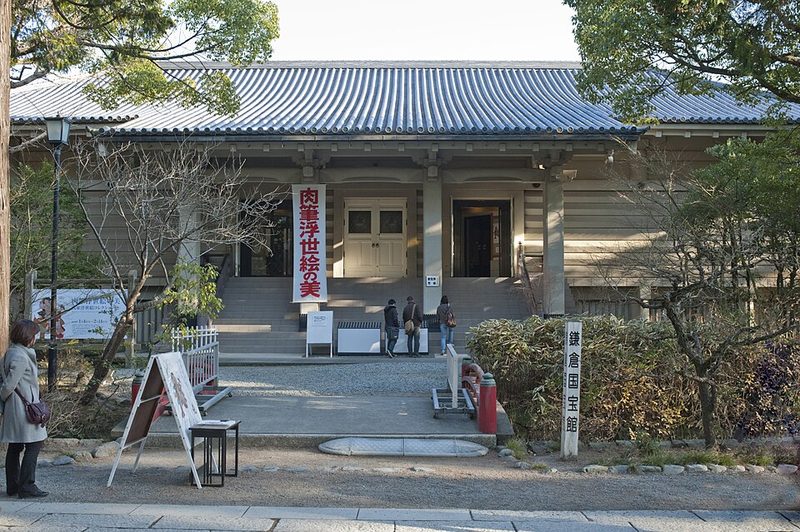 Kamakura Museum of National Treasures: Zuisenji 700 YearsOct 24 (Sat) – Dec 6 (Sun) · Kamakura Museum of National Treasures · 1.2 km
 Tsurugaoka Hachimangu New Year's Eve Rites: Oharae, Old Talisman Burning and Joya-sai (Dec 31)Dec 31 (Thu) · Tsurugaoka Hachimangu Shrine (Kamakura) · 1.3 km
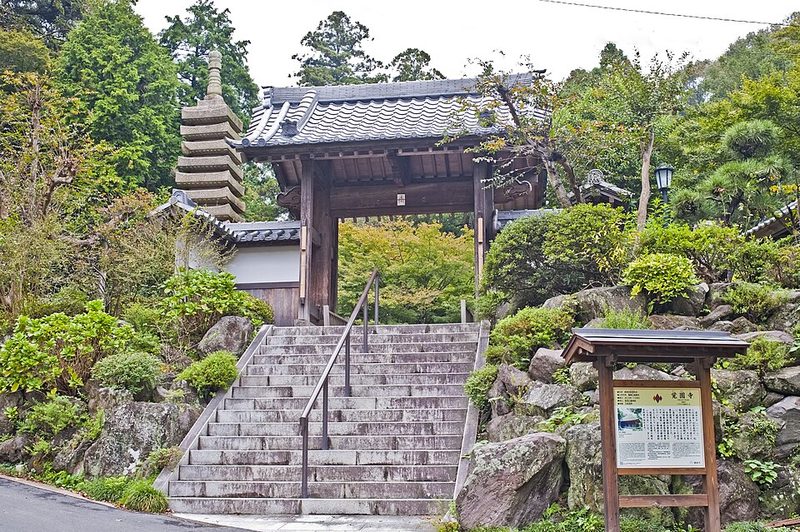 Autumn Leaves Special Visit (Kakuonji, Kamakura)Nov 25 (Wed) – Dec 10 (Thu) · Kakuonji Temple (Nikaido, Kamakura) · 1.4 km
 LIVING IN CINEMA: Actor Koji Yakusho (Kamakura Kawakita Film Museum)Sep 5 (Sat) – Dec 13 (Sun) · Kamakura City Kawakita Film Museum · 1.5 km
 Showa 100: The Japanese Spirit in Kiyokata's Works (Kamakura Kaburaki Kiyokata Museum)Oct 23 (Fri) – Nov 29 (Sun) · Kamakura Kaburaki Kiyokata Museum · 1.5 km
Next stop: book for later today PR
Tickets people often book around here, on Klook.
Year-end deal: extra 5% off selected Tokyo attractions on Klook with code TOKYOATT5% (until Dec 31).
Kamakura & Enoshima day trip from Tokyo→Enoshima-Kamakura Freepass (Enoden)→Tips from visitors
Been here? Leave a short tip for the next traveler — in any language. No name, no sign-up.
Thank you! We check every tip by hand and post it within a day or two.
How we post tips: we read every one before it goes up. We remove swear words, insults, ads, links and anything that could identify a person. Tips are shown in the language they were written in, with a translate link. Kyochika never writes or pays for tips, and there are no star ratings.
FAQ
What are the opening hours of Hokoku-ji Temple (Bamboo Temple)?
9:00 AM–4:00 PM for regular bamboo-garden admission. Special evening events have separate arrangements.
How much does Hokoku-ji Temple (Bamboo Temple) cost?
Ages high school and above: ¥400. Elementary and junior high school students: ¥200.
The story of Hokoku-ji: samurai memorial, Zen monastery, and bamboo garden
Hokoku-ji was established in 1334, immediately after the collapse of the Kamakura shogunate. Its founding priest was Tengan Eko, also known by the honorific title Butsujo Zenji, a Japanese Zen monk who had studied Buddhist teachings in Yuan-dynasty China. The temple identifies Ashikaga Ietoki as its founding patron, although Ietoki had died in 1284. According to the temple's own historical account, Uesugi Shigekane, a relative and supporter of the Ashikaga family, was responsible for establishing the temple to commemorate Ietoki. The two families were connected through marriage: Shigekane's aunt Kiyoko married Ashikaga Sadauji, Ietoki's son. Ietoki's grandson Ashikaga Takauji would later become the first shogun of the Ashikaga military government in 1338. The temple therefore belongs to a particularly important moment in Japanese history, when the political power once centered on Kamakura was being reorganized under a new military leadership.
What are some little-known spots in Hokoku-ji Temple (Bamboo Temple)?
The thatched bell tower, The moss-covered entrance, The dry-landscape garden, Kashodo and the Buddhist sculptures, The hidden significance of the Kannon pilgrimage.