Temples in Kyoto · Nakagyo, Kyoto
Mibu-dera Temple
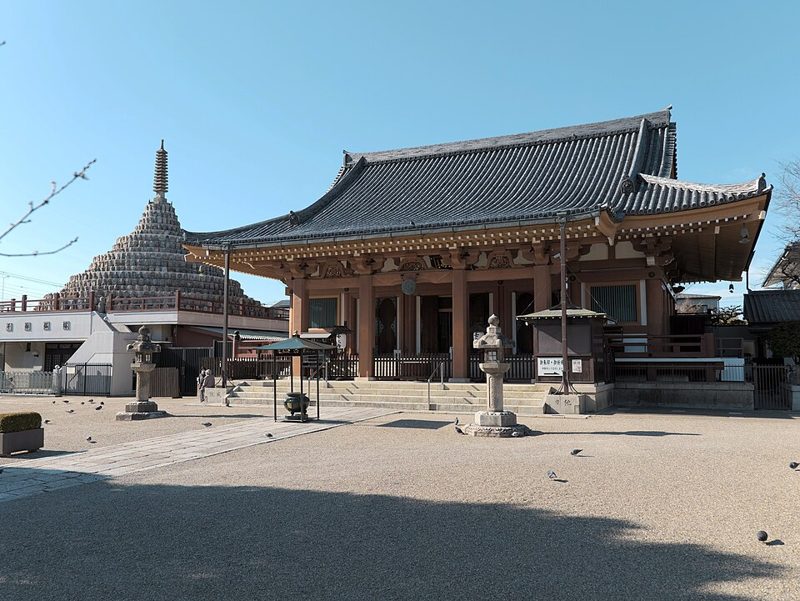
In 1300, the Buddhist monk Engaku developed a form of religious theater that could communicate Buddhist teachings without spoken dialogue. Mibu Kyogen survives today as a masked performance tradition accompanied by percussion and flutes. The same temple, founded in 991, later became a training ground for the Shinsengumi, whose graves and memorials remain within the precincts.
Kyochika's take
Kyochika recommends Mibu-dera to travelers interested in Kyoto's ordinary religious life, traditional performance, and the political upheaval of the late Tokugawa period. Unlike a visit focused exclusively on major architectural monuments, the experience here rewards attention to the stories behind small halls, stone statues, and memorials.
If your visit coincides with a scheduled Mibu Kyogen performance, consider making the theater the centerpiece of your itinerary. On other days, explore the temple's Buddhist precinct before entering the separately ticketed Shinsengumi memorial area.
Hours, admission and access
- Hours
- Temple grounds: 8:00–17:00 according to Kyoto City's official tourism guide. Mibu-zuka and the historical exhibition room: 9:00–16:00 according to the temple's official website.
- Closed
- No regular closure according to Kyoto City's official tourism guide. Access to performances and individual facilities follows separate arrangements.
- Admission
- General temple grounds: free. Mibu-zuka and the historical exhibition room: adults ¥400; elementary, junior high, and high school students ¥200, according to the temple's official website.
- Access
- Approximately 10 minutes on foot from Hankyu Omiya Station or JR Tambaguchi Station. Kyoto City Bus to Mibudera-michi, followed by approximately 3 minutes on foot, according to Kyoto City's official tourism guide.
- Nearest station
- Omiya Station
Checked against official information on 2026-10-28. Details change, so check the official website before you go.
Sources: Mibu-dera Official Website, Mibu-dera Official History, Mibu-dera Official Precinct Guide, Mibu Kyogen Official Guide, Mibu-dera and the Shinsengumi, Kyoto City Official Tourism Guide, Kyoto Prefecture Tourism Federation
 Pochikichi's story corner
How did Mibu-dera connect Buddhist theater with the Shinsengumi?
Mibu-dera was established in 991 by the monk Kaiken of Onjo-ji, also known as Mii-dera. The temple belongs to the Ritsu school of Buddhism, a tradition concerned with monastic rules and religious discipline. Its principal object of worship is Enmei Jizo Bosatsu, the Life-Prolonging Jizo Bodhisattva. The temple became associated with prayers for protection from misfortune and for good fortune. Its official history describes the patronage of Emperor Shirakawa and the development of its annual Setsubun observances, which remain an important part of its religious calendar.
The temple's most distinctive tradition is Mibu Dainenbutsu Kyogen. Its origins are associated with the monk Engaku, who lived from 1223 to 1311. According to the temple's account, Engaku organized a major Buddhist ceremony in 1300 and sought a way to communicate teachings to a large gathering. He developed performances based on gesture instead of spoken explanation. Over time, this religious form incorporated dramatic stories and developed a repertoire now consisting of 30 plays. Performers wear masks and act without dialogue, accompanied by bells, drums, and flutes.
The theater also reflects the religious life of ordinary Kyoto residents. The Mibu Dainenbutsu group maintains the performing tradition, and the plays continue to be offered as part of Buddhist observances. The Dainenbutsu-do, rebuilt in 1856, contains specialized stage structures, including mechanisms used for dramatic movement and disappearance. Its architectural form reflects the demands of the performance itself. The temple's official history explains that the autumn presentations were revived in 1974 after a prolonged interruption.
In March 1863, the Shinsengumi was formed in the Mibu district. Nearby residences, including the Yagi and Maekawa houses, served as headquarters. Mibu-dera's precincts were used for martial training and cannon practice. The temple also preserves anecdotes about Shinsengumi members attending performances and interacting with neighborhood residents. At Mibu-zuka, graves and memorials commemorate men connected with the corps. A later disaster changed the temple's architecture: in 1962, a fire destroyed the main hall and its principal Jizo image. A replacement image was transferred from Toshodai-ji, and the reconstructed hall was consecrated in 1970. When you visit, look for the connections between the Buddhist halls, the Kyogen stage, and the Shinsengumi memorials.
Sources: Mibu-dera Official Website, Mibu-dera History, Mibu Kyogen, Mibu-dera and the Shinsengumi, Mibu-dera Precinct Guide
Long ago, around hereWhat was Mibu like before the Shinsengumi?
Approximately 1,200 years ago, the temple founded in 991 had not yet been established. The reviewed official sources do not identify precisely what occupied the present site before the foundation. By the medieval period, however, Mibu-dera was a center of Jizo devotion. The religious performance tradition associated with Engaku had begun in 1300, and over the following centuries it developed into the distinctive masked theater preserved today.
Around 400 years ago, the temple already had a long history of popular Buddhist worship and religious performance. Around 150 years ago, Kyoto had recently experienced the turbulent final years of Tokugawa rule. The Shinsengumi, formed in Mibu in 1863, had used nearby residences as headquarters and the temple precincts as a training area. Although the political order changed, Mibu-dera continued its religious functions and preserved memorials to members of the corps. The temple's history also records the eventual revival of autumn Kyogen performances in 1974.
Sources: Mibu-dera Official History, Mibu Kyogen, Mibu-dera and the Shinsengumi
Hidden highlights
- The Mibu Kyogen stage
- Rebuilt in 1856, the Dainenbutsu-do contains unusual structures known as tobikomi and kemono-dai. These mechanisms support the physical action of Mibu Kyogen and distinguish the building from a conventional theatrical stage.
- The thousand-Buddha tower
- Constructed in 1988, the conical monument contains 1,000 stone Buddhist images collected during urban redevelopment in the Meiji period. The temple compares its unusual arrangement to a Myanmar pagoda.
- Mizukake Jizo
- The water-pouring Jizo statue dates from the middle Edo period. Temple tradition holds that making a wish while pouring water over the image can help fulfill a prayer.
- Ichiyatenjin-do
- Rebuilt in 1852, this small hall preserves a tradition involving Sugawara no Michizane, who is said to have spent a night in the Mibu area. The hall is associated with prayers for academic success.
- The historic main gate
- Rebuilt in 1799, the main gate is identified by Mibu-dera as its oldest surviving building. Its age makes it a useful starting point for understanding the many periods represented within the grounds.
- Mibu-zuka
- The memorial area contains graves of Shinsengumi members and a bust and hair memorial associated with Kondo Isami. The temple identifies it as a burial and commemorative site connected with the corps.
Sources: Mibu-dera Precinct Guide, Mibu-dera and the Shinsengumi
How can a performance teach Buddhism without words?
Mibu Kyogen originated as a method of explaining Buddhist teachings through gesture. The temple credits Engaku with developing the form in 1300 during a large religious gathering. Its performers wear masks, accompanied by bells, drums, and flutes. The repertoire now contains 30 plays, including stories inspired by religious teachings and popular narratives.
The tradition retains its devotional purpose. Spring performances are offered in connection with the temple's Buddhist ceremonies dedicated to Enmei Jizo. The plays also communicate moral ideas concerning the consequences of actions and the struggle between harmful and virtuous behavior. Their absence of spoken dialogue gives international visitors a distinctive entry point into Japanese theater, although reading individual plot summaries can help explain what unfolds on stage.
Sources: Mibu Kyogen Official Guide
The Shinsengumi beyond the sword fights
Mibu-dera's official historical account preserves several anecdotes about the Shinsengumi's relationship with local residents. Okita Soji is said to have gathered children for games within the temple grounds. Kondo Isami and other members reportedly attended Mibu Kyogen performances. The temple also recounts a sumo event organized by the corps, during which fish and soft-shelled turtles from the temple pond were prepared for the wrestlers. These stories are presented as temple traditions rather than independently verified eyewitness accounts.
Mibu-zuka preserves the more solemn side of this history. It contains graves associated with Serizawa Kamo, Hirayama Goro, Kawai Kisaburo, and other Shinsengumi members. Kondo Isami is commemorated through a bust and a memorial for his hair. Every July 16, the temple holds a memorial ceremony for Shinsengumi members. The surviving graves and the continued observance place the corps within a local religious history rather than presenting it only as a subject of popular entertainment.
Sources: Mibu-dera and the Shinsengumi
How to walk it
- Main gate — Begin with the gate rebuilt in 1799, the oldest surviving structure identified in the temple's official precinct guide. (5 min)
- Main Hall — Consider the 1962 fire and the replacement Jizo image transferred from Toshodai-ji before the hall's completion in 1970. (10 min)
- Dainenbutsu-do — Study the architecture of the masked-theater building and its unusual stage arrangements. (10 min)
- Mizukake Jizo — Find the Edo-period stone Jizo associated with wishes made through the offering of water. (5 min)
- Thousand-Buddha Tower — Examine the conical arrangement of historic stone Buddhist images. (5 min)
- Ichiyatenjin-do — Visit the hall associated with the tradition of Sugawara no Michizane. (5 min)
- Amida-do and historical exhibition — Explore the designated exhibition space, where temple treasures and Shinsengumi-related material are displayed. (15 min)
- Mibu-zuka — Finish at the Shinsengumi burial and memorial site, respecting its religious purpose. (10 min)
All durations are Kyochika estimates, not official viewing times. The sequence is an editorial suggestion rather than an official route. Admission to Mibu-zuka and the historical exhibition room is separate from free access to the temple grounds. Performances follow their own schedules.
Sources: Mibu-dera Precinct Guide, Mibu-dera and the Shinsengumi
Through the seasons
- Setsubun in February
- The temple presents performances of the Mibu Kyogen play Setsubun during its annual religious observances.
- April 29–May 5
- The annual spring Mibu Dainenbutsu performances present masked religious theater. The temple's standard program lists afternoon performances and an additional final-evening presentation.
- July 16
- The temple holds its annual Shinsengumi memorial observance.
- October holiday period
- The annual autumn Mibu Kyogen presentations take place during a holiday period in October. Exact dates should be checked in the current event announcements.
- December 31
- The temple's bell tower is associated with the traditional New Year's Eve bell-ringing observance.
Getting there by taxi or bus
- Taxi
- Ask for Mibu-dera Temple in the Mibu district of Nakagyo, near Omiya Station. No verified official taxi travel time was established.
- Bus
- Kyoto City Bus to Mibudera-michi (壬生寺道), followed by approximately 3 minutes on foot according to Kyoto City's tourism guide. The Kyoto Prefecture Tourism Federation lists approximately 5 minutes on foot.
- Other
- Approximately 10 minutes on foot from Hankyu Omiya Station or JR Tambaguchi Station, according to Kyoto City's official tourism guide.
Sources: Kyoto City Official Tourism Guide, Kyoto Prefecture Tourism Federation
Pair it with
- Yagi Residence — A former Shinsengumi headquarters whose history directly complements Mibu-dera's memorial and training-ground associations.
- Former Maekawa Residence — Another headquarters building identified by the temple's official Shinsengumi history.
Good to know before you go
- General access to the temple grounds is free.
- Mibu-zuka and the historical exhibition room are covered by a separate admission charge.
- The temple's official admission is ¥400 for adults and ¥200 for elementary, junior high, and high school students.
- The temple's official historical exhibition and Mibu-zuka opening hours are 9:00–16:00.
- The official standing schedule lists spring Mibu Kyogen performances from April 29 through May 5.
- The spring performance schedule is 13:00–17:30, with an additional evening performance on May 5 from 18:30 until approximately 21:30.
- The autumn performances are scheduled during an October holiday period, with exact annual dates announced separately.
- Standard spring and autumn performance admission is adults ¥1,000 and junior high or high school students ¥500.
- The temple states that standard spring and autumn performances use same-day tickets with unreserved seating and no advance reservations.
- Setsubun performances are free according to the temple's regular performance guide.
- Mibu Kyogen performers wear masks and do not use spoken dialogue.
- The Shinsengumi burial site should be treated as a memorial space.
- The reviewed official sources do not establish a general photography policy, card-payment policy, luggage-storage service, or English-language audio-guide service.
Next stop: book for later today PR
Tickets and experiences in Kyoto you can book on Klook. Filter by “Today” to see what is still open.
Kimono rental in Kyoto→Tea ceremony experiences in Kyoto→Kyoto one-day sightseeing tours→All things to do in Kyoto on Klook →Compare on GetYourGuide: Kimono rental in Kyoto · Tea ceremony experiences in Kyoto · Kyoto one-day sightseeing tours
Ad: Klook and GetYourGuide affiliate links.
🍜 Where to eat after
Restaurants near here on Google Maps→Many restaurants in Kyoto take reservations, and some are cash only. Check the restaurant page before you go.
Events nearby
Market
Sweet Treats Fair Honoring Buddhist Monk Ganjin at Mibu-dera Temple Grounds
Mibu-dera Temple Grounds (Omiya Sta.)
Nov 7 (Sat) – Nov 8 (Sun) 10:00 – 16:00
Held rain or shine, with approximately 25 vendors taking part on both days.
Details →Art exhibition
Autumn Special Exhibition: Nanban - Memories of Kyoto Where Foreign Cultures Met
Kyoto Sangyo University Gallery (Musubiwaza-kan, 2F) (Tambaguchi Sta.)
Nov 2 (Mon) – Dec 12 (Sat) 10:00 – 16:30 (details on the official site)
Traces the Portuguese and Spanish 'Nanban' visitors to Japan in the 16th and 17th centuries, East-West exchange, and the ban and persecution of Christianity through historical materials. 2026 marks 450 years since the 'Nanbanji of the capital' (Church of the Assumption) was dedicated in Kyoto in 1576; it was later destroyed under the ban. Part 1 runs Nov 2-22 and Part 2 Nov 25-Dec 12, with some items changed. No parking or bicycle parking at the venue.
Details →Art exhibition
NAKED meets Nijo Castle 2026 at Former Imperial Villa Nijo Castle
Former Imperial Villa Nijo Castle (Nijojo-mae Sta.)
Oct 23 (Fri) – Dec 5 (Sat) 18:00 – 22:00
A night art exhibition marking 400 years since the Kan'ei imperial visit, exploring the aesthetics of Kan'ei-era culture that shaped kimono and everyday design. Inspired by the sensibility of Tokugawa Kazuko, it reinterprets traditional beauty as artworks, with audio guides in Japanese and English. Last entry 9:00 PM; open daily, rain or shine. Students and Kyoto City residents get a 500 yen cashback on site.
Details →
Tips from visitors
Been here? Leave a short tip for the next traveler — in any language. No name, no sign-up.
Thank you! We check every tip by hand and post it within a day or two.
How we post tips: we read every one before it goes up. We remove swear words, insults, ads, links and anything that could identify a person. Tips are shown in the language they were written in, with a translate link. Kyochika never writes or pays for tips, and there are no star ratings.
FAQ
- What is Mibu-dera Temple?
- In 1300, the Buddhist monk Engaku developed a form of religious theater that could communicate Buddhist teachings without spoken dialogue. Mibu Kyogen survives today as a masked performance tradition accompanied by percussion and flutes. The same temple, founded in 991, later became a training ground for the Shinsengumi, whose graves and memorials remain within the precincts.
- Hours at Mibu-dera Temple?
- Temple grounds: 8:00–17:00 according to Kyoto City's official tourism guide. Mibu-zuka and the historical exhibition room: 9:00–16:00 according to the temple's official website.
- Closed at Mibu-dera Temple?
- No regular closure according to Kyoto City's official tourism guide. Access to performances and individual facilities follows separate arrangements.
- Admission at Mibu-dera Temple?
- General temple grounds: free. Mibu-zuka and the historical exhibition room: adults ¥400; elementary, junior high, and high school students ¥200, according to the temple's official website.
- Access at Mibu-dera Temple?
- Approximately 10 minutes on foot from Hankyu Omiya Station or JR Tambaguchi Station. Kyoto City Bus to Mibudera-michi, followed by approximately 3 minutes on foot, according to Kyoto City's official tourism guide.
- Is Mibu-dera free to visit?
- The general grounds are free. The official temple website lists ¥400 for adults and ¥200 for school students for Mibu-zuka and the historical exhibition room.
- Can visitors see Mibu Kyogen every day?
- No. Performances take place during scheduled spring, autumn, and Setsubun observances.
- Why is Mibu-dera associated with the Shinsengumi?
- The Shinsengumi was formed in Mibu in March 1863, used nearby residences as headquarters, and trained in the temple grounds. Graves and memorials remain at Mibu-zuka.
- Is Japanese necessary to understand Mibu Kyogen?
- The performances do not use spoken dialogue. They communicate through masked movement accompanied by musical instruments, although reading a story synopsis may help.