Viewpoints in Kyoto · Kyoto Station / To-ji
Nidec Kyoto Tower
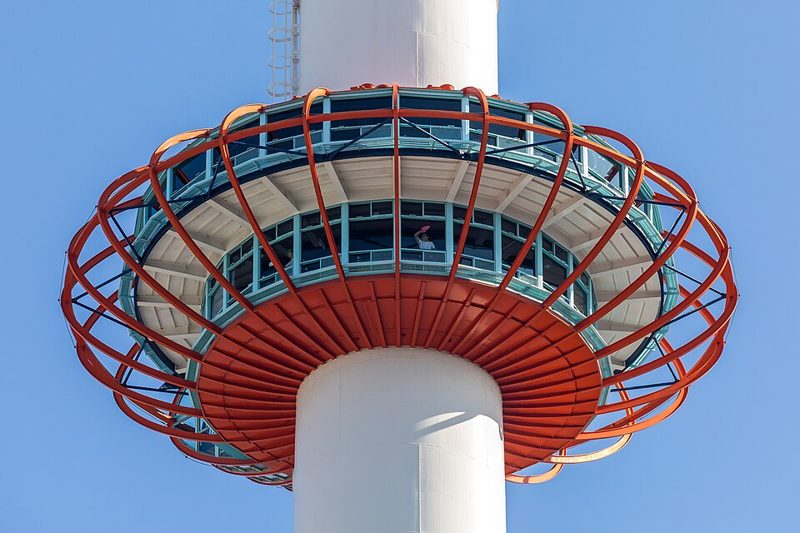
Kyoto has no coastline, yet its most recognizable modern tower was designed to resemble a lighthouse. Opened in 1964, Kyoto Tower takes its inspiration from the idea of traditional tiled rooftops forming waves across the city, with a lighthouse rising above them. Standing 131 meters tall, with an observation deck 100 meters above the ground, it offers 360-degree views of Kyoto's streets, temples, and surrounding mountains.
Kyochika's take
Visit the observation deck on the day you arrive at Kyoto Station to get your bearings. Identify Higashiyama, Kitayama, and Nishiyama before exploring the city's neighborhoods and temples. Allow approximately 30–45 minutes for the deck. A visit around sunset offers the changing scenery of daylight, dusk, and the illuminated city.
Hours, admission and access
- Hours
- Observation deck: 10:00–21:00, last admission 20:30. On August 16: 10:00–18:30, last admission 18:00.
- Closed
- Open year-round. Hours may change, and temporary closures are possible.
- Admission
- Observation deck: adults ¥1,000; high school students ¥800; elementary and junior high school students ¥700; children aged 3 and older ¥300; children under 3 free.
- Reservations
- Online tickets are available. Same-day tickets are sold at the ticket counter on the first floor of the Kyoto Tower Building.
- Access
- Approximately 2 minutes on foot from JR Kyoto.
- Nearest station
- Kyoto
Checked against official information on 2026-10-28. Details change, so check the official website before you go.
Sources: Nidec Kyoto Tower Official Website: Hours and Admission Fees (Japanese), Nidec Kyoto Tower Official Website (Japanese), Kyoto Prefecture Tourism Federation: Nidec Kyoto Tower (Japanese)
 Pochikichi's story corner
Why Does Kyoto Tower Look Like a Lighthouse?
Kyoto Tower was born during a period of extraordinary change in Japan. In 1964, the Tokaido Shinkansen began operating and Tokyo hosted the Olympic Games. With more travelers arriving in Kyoto, plans emerged for a new center of industry, culture, and tourism directly opposite Kyoto Station. The tower building was completed on December 25, 1964, and the observation deck opened three days later, on December 28. The design was entrusted to Yamada Mamoru, an influential figure in modern Japanese architecture. The project was intended to create a striking new gateway to Japan's ancient capital.
Its distinctive white silhouette came from an unusual idea. The designer imagined the tiled rooftops of Kyoto's traditional houses as waves spreading across a sea. Rising above them would be a lighthouse, even though Kyoto is an inland city. The tower uses a monocoque structure, in which cylindrical steel plates are joined together so that the outer shell carries the load, rather than relying on a conventional steel frame. The tower, weighing approximately 800 tons, stands on top of a building with three basement levels and nine above-ground floors.
Since opening, Kyoto Tower has become a landmark for travelers arriving at Kyoto Station. By 2019, it had welcomed a cumulative total of 32 million visitors. On April 1, 2024, its name changed to Nidec Kyoto Tower. From the observation deck, visitors can see the city's urban grid framed by Higashiyama to the east, Kitayama to the north, and Nishiyama to the west. Although it is a modern structure standing above a city celebrated for historic temples, the tower also offers a way to understand Kyoto's geography. So, when you reach the observation deck, look beyond Kyoto Station toward the mountains surrounding the city on three sides.
Sources: Nidec Kyoto Tower Official Website: About the Tower (Japanese), Kyoto City Official Tourism Guide: Nidec Kyoto Tower (Japanese)
Long ago, around hereWhat Stood Here Before Kyoto Tower?
Before Kyoto Tower was built, the site was occupied by the Kyoto Central Post Office. Plans to relocate the post office were decided in 1953, creating an opportunity to redevelop this prominent location in front of Kyoto Station. The proposed complex would bring together industry, culture, and tourism. With the opening of the Shinkansen approaching, the station district was becoming an increasingly important gateway for visitors from Japan and abroad. Building a distinctly modern landmark in a city known for its traditional temples was an ambitious statement about Kyoto's future.
The tower and its supporting building were completed in December 1964, followed by the opening of the observation deck. Architect Yamada Mamoru's unusual design placed a heavy cylindrical tower on the roof of a commercial building. Over the following decades, Kyoto Station and its surroundings continued to develop, with underground shopping areas and large commercial facilities transforming the district into a major transportation and tourism hub. The tower's exterior and elevators were renovated ahead of its 50th anniversary in 2014. Today, the observation deck is also a vantage point from which to appreciate the modernization of Kyoto's station district. So, when standing by the windows, look down at Kyoto Station and the pattern of streets extending into the city.
Sources: Nidec Kyoto Tower Official Website: History of the Tower (Japanese)
Lesser-Known Highlights
- A Lighthouse Without a Sea
- The white tower was inspired by a lighthouse. Its designer imagined Kyoto's traditional tiled rooftops as ocean waves, creating an unusual architectural metaphor for an inland city.
- Monocoque Construction
- The tower is built from joined cylindrical steel plates that carry structural loads through the outer shell. This was the first use of the technique in Japanese architecture.
- A Tower Above a Building
- The tower itself weighs approximately 800 tons and stands on the roof of a building with three basement levels and nine above-ground floors. Its unusual structural arrangement is visible from street level.
- Gold and Silver Elevators
- Renovated in 2013, the elevators feature gold and silver designs inspired by Kyoto's temples, with silhouettes of famous landmarks and the city's three major festivals.
- The 100-Meter Observation Deck
- The deck offers 360-degree views of Kyoto and the mountains on three sides. It is a useful place to understand why so many historic temples stand near the edges of the city basin.
Sources: Nidec Kyoto Tower Official Website: About the Tower (Japanese)
Through the seasons
- Spring
- View Kyoto's cherry blossoms and spring mountain scenery from above.
- Summer
- On August 16, special operations are held in connection with viewing the Gozan Okuribi, Kyoto's ceremonial mountain bonfires. Hours and admission conditions differ from regular operations.
- Autumn
- See the autumn colors spreading across the mountains surrounding Kyoto.
- Winter
- A special New Year's Day first-ascent event is held on January 1. Regular annual passes and combination tickets have different conditions during this event.
Good to know before you go
- Same-day tickets can be purchased using cash, major credit cards, or mobile payments.
- Some combination tickets do not permit re-entry to the observation deck, so check the conditions when purchasing.
- Special operations take place on August 16 and January 1, when regular tickets and annual passes may be subject to restrictions.
- The observation deck is wheelchair accessible, and assistance dogs are permitted. Wheelchair-accessible restrooms are available within the tower building.
Events nearby
Market
Umekoji Park Handmade Market — November 7
Umekoji Park, Shichijo Entrance Event Plaza (Umekoji-Kyotonishi Sta.)
Nov 7 (Sat) 09:00 – 16:00
The market takes place on November 7 and December 5 during the featured period, not daily. Held rain or shine, this outdoor market features handmade goods sold directly by their creators.
Details →Market
Umekoji Park Handmade Market — December 5
Umekoji Park, Shichijo Entrance Event Plaza (Umekoji-Kyotonishi Sta.)
Dec 5 (Sat) 09:00 – 16:00
The market takes place on November 7 and December 5 during the featured period, not daily. Held rain or shine, this outdoor market features handmade goods sold directly by their creators.
Details →Art exhibition
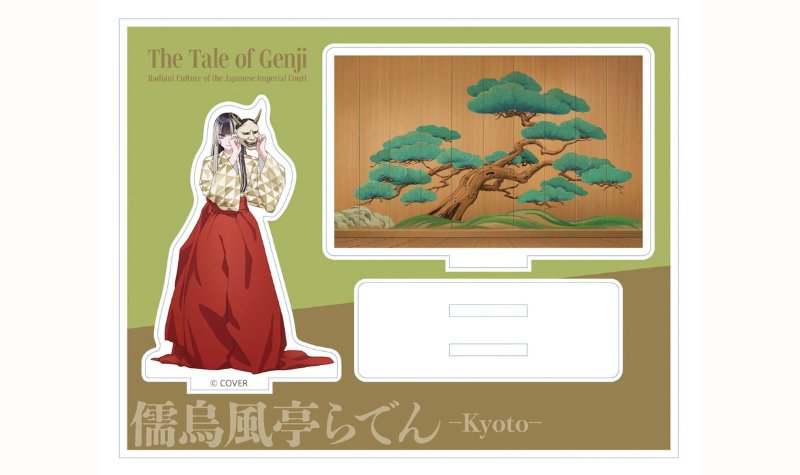
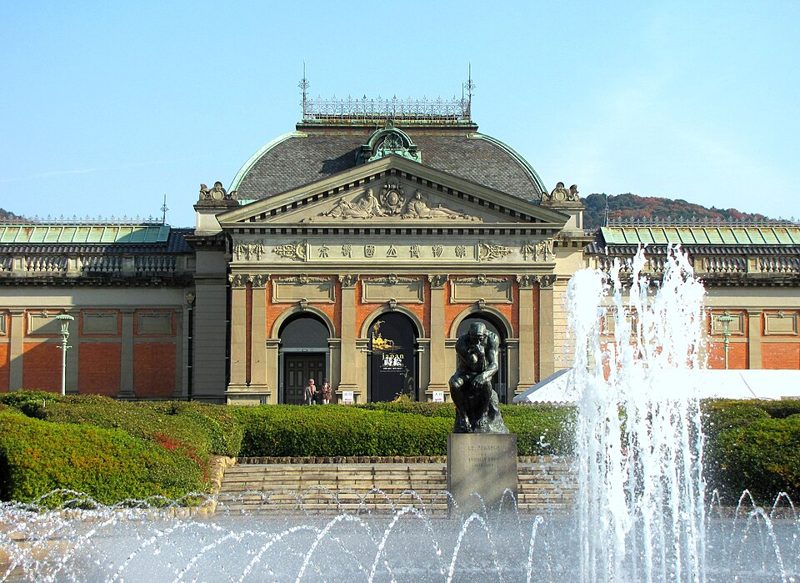
Special Exhibition: The Tale of Genji — Splendor of the Imperial Court at Kyoto National Museum
Kyoto National Museum, Heisei Chishinkan Wing (Shichijo Sta.)
Oct 6 (Tue) – Nov 29 (Sun) 09:00 – 17:30
Open until 8:00 PM on Fridays. A major rotation of exhibits takes place on November 3. The National Treasure Tale of Genji Scrolls will be displayed during different periods depending on the scenes.
Details →Art exhibition
New Year Special Exhibition: All About Sheep — Celebrating the Zodiac at Kyoto National Museum
Kyoto National Museum, Heisei Chishinkan Wing, Gallery 2F-2 (Shichijo Sta.)
Dec 22 (Tue) – Feb 7 (Sun) 09:30 – 17:00
Discover cultural treasures featuring sheep, the zodiac animal of 2027. Open until 8:00 PM on Fridays. The same admission ticket provides access to all exhibitions in the Heisei Chishinkan Wing on the day of your visit.
Details →Festival & seasonal event
Toji Autumn Illumination and Special Night Viewing of Kondo and Kodo Halls
Toji Temple (Kyo-o-gokoku-ji) (Kyoto Sta.)
Oct 31 (Sat) – Dec 13 (Sun) 18:00 – 21:30
The five-story pagoda and around 200 maple trees at World Heritage-listed Toji are illuminated at night. Special evening access is also available to the National Treasure Kondo Hall and Important Cultural Property Kodo Hall, home to the three-dimensional mandala. Last admission at 9:00 PM; open daily throughout the event.
Details →
FAQ
- What is Nidec Kyoto Tower?
- Kyoto has no coastline, yet its most recognizable modern tower was designed to resemble a lighthouse. Opened in 1964, Kyoto Tower takes its inspiration from the idea of traditional tiled rooftops forming waves across the city, with a lighthouse rising above them. Standing 131 meters tall, with an observation deck 100 meters above the ground, it offers 360-degree views of Kyoto's streets, temples, and surrounding mountains.
- Hours at Nidec Kyoto Tower?
- Observation deck: 10:00–21:00, last admission 20:30. On August 16: 10:00–18:30, last admission 18:00.
- Closed at Nidec Kyoto Tower?
- Open year-round. Hours may change, and temporary closures are possible.
- Admission at Nidec Kyoto Tower?
- Observation deck: adults ¥1,000; high school students ¥800; elementary and junior high school students ¥700; children aged 3 and older ¥300; children under 3 free.
- Reservations at Nidec Kyoto Tower?
- Online tickets are available. Same-day tickets are sold at the ticket counter on the first floor of the Kyoto Tower Building.
- Access at Nidec Kyoto Tower?
- Approximately 2 minutes on foot from JR Kyoto.