Museums in Kyoto · Okazaki, Sakyo Ward
Kyoto City KYOCERA Museum of Art
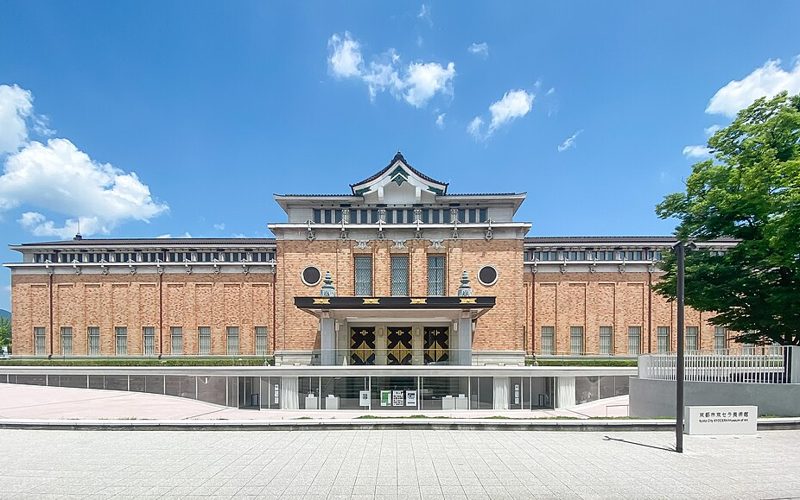
Opened in 1933 to commemorate the imperial enthronement ceremonies of 1928, the Kyoto City KYOCERA Museum of Art occupies the oldest surviving original building of a public art museum in Japan. Architect Maeda Kenjiro designed its monumental Imperial Crown Style exterior, while Aoki Jun and Nishizawa Tezzo later transformed the building for its reopening on May 26, 2020. The result brings historic architecture and contemporary museum spaces into direct conversation.
Kyochika's take
Kyochika recommends this museum to travelers interested in the changing relationship between Kyoto's cultural traditions and modern architecture. Start outside the main facade, then follow the descending approach to the Glass Ribbon before entering the museum's historic interior.
For a fuller understanding of Kyoto's artistic culture, we suggest combining the Collection Room with an exhibition in the contemporary galleries when available. The museum's architecture deserves attention independently of the works on display.
Consider extending the visit into the Okazaki district. The nearby Heian-jingu Shrine offers a useful comparison with the museum's own relationship to the imperial history of Kyoto.
Hours, admission and access
- Hours
- 10:00–18:00. Last admission 17:30.
- Closed
- Mondays, except public holidays, and year-end/New Year holidays from December 28 to January 2.
- Admission
- Collection Room: Kyoto City residents ¥520; non-residents ¥730; groups of 20 or more ¥620. Elementary, junior high and high school students living or studying in Kyoto: free. Non-resident elementary, junior high and high school students: ¥300; groups ¥200. Children under elementary-school age: free. Residents aged over 70 with valid identification: free. Students attending participating Kyoto universities: ¥100. Special exhibition admission varies.
- Access
- 8 minutes on foot from Higashiyama Station on the Kyoto City Subway Tozai Line. 16 minutes on foot from Keihan Sanjo Station or Sanjo Keihan Subway Station.
- Nearest station
- Higashiyama Station
Checked against official information on 2026-10-28. Details change, so check the official website before you go.
Sources: Kyoto City KYOCERA Museum of Art — Official Website, Kyoto City KYOCERA Museum of Art — Hours and Admission, Kyoto City KYOCERA Museum of Art — Directions, Kyoto City KYOCERA Museum of Art — History, Kyoto City KYOCERA Museum of Art — Architecture, Kyoto City KYOCERA Museum of Art — Autumn 2026 Collection Exhibition, Kyoto City Official Travel Guide — Heian-jingu Shrine
 Pochikichi's story corner
Why does Kyoto's art museum resemble an imperial building?
The Kyoto Enthronement Memorial Museum of Art opened in 1933 to commemorate the imperial enthronement ceremonies held in 1928. Its creation was supported by citizens and by Kansai's business and artistic communities. The design was selected through a competition calling for a Japanese architectural character. Maeda Kenjiro's resulting building combined a steel-framed reinforced concrete structure with an Imperial Crown Style exterior.
The inaugural exhibition was the fourteenth Teiten exhibition organized by the Imperial Fine Art Academy. In 1935, Kyoto introduced a city-sponsored open-submission exhibition, establishing an important connection between the museum and practicing artists. The museum continued activities during the Second World War, although parts of its collection were evacuated to Daikaku-ji Temple and other locations. After the war, the site was requisitioned by occupation forces, and its large exhibition hall was used as a basketball court. The museum resumed activities under the name Kyoto Municipal Museum of Art in 1952.
The following decades broadened the institution's exhibition history. A 1955 exhibition of French art from the Louvre Museum marked its first large international exhibition. In 1964, the Venus de Milo exhibition attracted more than 890,000 visitors. The Tutankhamun exhibition in 1965 attracted more than 1.07 million visitors. Alongside international exhibitions, the museum continued presenting Japanese-style painting, Kyoto crafts and work associated with local artistic communities.
A major renewal project was developed in the following century. Architects Aoki Jun and Nishizawa Tezzo were selected in 2015 through an open competition. A naming-rights agreement with Kyocera Corporation followed in 2017, and renovation construction began in January 2018. Work was completed at the end of October 2019, and the museum reopened on May 26, 2020. The architects preserved the historic facade while introducing a lowered entrance, a glazed ribbon, reorganized interior circulation, renovated courtyards and spaces supporting contemporary art. So when you visit, look for the meeting between Maeda's original architecture and the interventions by Aoki and Nishizawa.
Sources: Kyoto City KYOCERA Museum of Art — History, Kyoto City KYOCERA Museum of Art — Architecture
Long ago, around hereHow did Okazaki become part of modern Kyoto's cultural landscape?
The museum's official historical account identifies Okazaki as a district expressing Kyoto's modern development when the institution opened in 1933. The original museum was conceived as a public cultural institution commemorating an imperial event. Its location and architectural character connected civic ambition with the historical identity of Kyoto. The sources consulted do not establish what specific building occupied the museum's exact footprint approximately 1,200 or 400 years before its opening, so no earlier structure is assigned to the site.
The museum's documented history is particularly revealing from the twentieth century onward. Its establishment involved financial support from Kyoto citizens and regional cultural and business communities. It later survived war, military requisition and changing exhibition practices before becoming a renovated municipal institution. The nearby Heian-jingu Shrine provides another point of reference for understanding how Kyoto expressed its imperial heritage through modern public architecture.
Sources: Kyoto City KYOCERA Museum of Art — History, Kyoto City Official Travel Guide — Heian-jingu Shrine
Hidden highlights
- The Imperial Crown Style facade
- Look closely at the original 1933 exterior. Its architectural character was part of the competition requirements that led to Maeda Kenjiro's design.
- The Glass Ribbon
- The new glazed zone accommodates the museum shop and cafe. It occupies the transition between the lowered entrance plaza and the preserved building.
- The descending entrance
- The architects lowered the entrance level while preserving the historic view of the building from Jingu-michi. Notice how the approach changes the visitor's perspective.
- The Central Hall
- The renewal emphasized the building's existing circulation axis, connecting the central interior with the eastern side and the landscape beyond.
- The North Courtyard
- The architects covered the north courtyard with a glass roof to create an interior space. Compare the intervention with the older architectural structure.
- The South Courtyard
- Equipment previously occupying the courtyard was removed, allowing the area to return to its original courtyard function. The contrast with the northern courtyard reflects the renewal's different approaches to historic space.
Sources: Kyoto City KYOCERA Museum of Art — Architecture
When Venus de Milo and Tutankhamun came to Kyoto
The museum's official historical chronology records a major international exhibition program during the postwar decades. In 1955, French art from the Louvre Museum formed its first large international exhibition. The 1964 Venus de Milo exhibition subsequently attracted more than 890,000 visitors.
The following year, the Tutankhamun exhibition brought more than 1.07 million visitors, exceeding the previous attendance record. These figures show that the institution's public mission extended beyond regional artistic traditions. Its history includes both the presentation of Kyoto's own artistic heritage and the introduction of internationally significant cultural works.
Why is KYOCERA part of the museum's name?
The museum's present name reflects a naming-rights agreement concluded in 2017. The official history records a contract with Kyocera Corporation worth approximately ¥5 billion over 50 years. The arrangement was connected with the major renewal project.
According to the museum, the naming-rights initiative was intended to reduce the financial burden on Kyoto residents and support the project's completion. This adds a modern chapter to the institution's funding history: the original museum was established with substantial citizen and business support, while its renewal again involved cooperation between public cultural administration and private enterprise.
Sources: Kyoto City KYOCERA Museum of Art — History and Naming Rights
How to walk it
- Western facade — Start outside the museum on Jingu-michi and study the original Imperial Crown Style architecture. (10 min)
- Lowered entrance plaza — Observe how the modern approach preserves the view of the historic facade. (10 min)
- Glass Ribbon — Examine the contemporary glazed intervention housing the museum shop and cafe. (10 min)
- Central Hall — Explore the main circulation axis and the relationship between historic and renovated spaces. (15 min)
- Courtyard areas — Compare the north and south courtyards where public access permits. (15 min)
- Collection Room — Explore Kyoto's artistic heritage through the current collection exhibition. (35 min)
- Contemporary exhibition spaces — Visit an available exhibition and compare its presentation with the historic galleries. (35 min)
- Museum cafe and shop — Finish in the renovated visitor facilities and review the architecture from the entrance area. (15 min)
All times are Kyochika estimates rather than official viewing durations. Access to particular spaces and exhibitions depends on current museum operations and ticket conditions.
Sources: Kyoto City KYOCERA Museum of Art — Architecture, Kyoto City KYOCERA Museum of Art — Visitor Information
Through the seasons
- Spring
- Kyochika suggests exploring the museum and surrounding Okazaki district together, selecting temporary exhibitions from the official program.
- Summer
- Spend time in the indoor galleries and study the architectural renewal while avoiding extended exposure to the summer heat.
- Autumn
- Combine the museum with the surrounding district. The museum's seasonal collection exhibitions offer another perspective on Kyoto's artistic culture.
- Winter
- The galleries offer an indoor cultural itinerary. Remember the official year-end and New Year closure from December 28 to January 2.
- October 9–December 13, 2026
- The Collection Room presents A Museum's Story — The Birth of the Kyoto City Museum of Art, examining the museum's beginnings through artworks and archival materials. Related displays include Animals in the Art Museum and Autumn Foliage.
Getting there by taxi or bus
- Taxi
- Kyoto City KYOCERA Museum of Art, 124 Okazaki Enshoji-cho, Sakyo Ward, Kyoto.
- Bus
- From Kyoto Station, take Kyoto City Bus route 5 from platform A1, route 100 from platform D1, or route 86 from platform D2. Get off at Okazaki Koen Bijutsukan Heian Jingu-mae (岡崎公園 美術館・平安神宮前). From Hankyu Kyoto-Kawaramachi Station, routes 46 and 5 also serve this stop.
- Other
- Kyoto City Subway Tozai Line to Higashiyama Station, followed by an 8-minute walk. Keihan Sanjo Station or Sanjo Keihan Subway Station is 16 minutes away on foot.
Sources: Kyoto City KYOCERA Museum of Art — Directions
Pair it with
- Heian-jingu Shrine — Compare a nearby shrine expressing Kyoto's imperial heritage with the museum's twentieth-century public architecture. (Walking time not verified min walk)
- The National Museum of Modern Art, Kyoto — Continue exploring Japanese modern art in the Okazaki cultural district. (Walking time not verified min walk)
- ROHM Theatre Kyoto — Combine visual art with the performing-arts institutions of Okazaki. (Walking time not verified min walk)
Good to know before you go
- The museum's official English website provides opening hours, admission rates, directions and exhibition information.
- Opening hours are 10:00–18:00, with general last admission at 17:30.
- The museum closes on Mondays except public holidays, and from December 28 to January 2.
- Special exhibition ticket prices vary from the Collection Room admission rates.
- Certain exhibitions may require advance reservations or timed-entry tickets.
- Kyoto City residents should bring valid identification when claiming resident admission rates.
- Residents aged over 70 may receive free Collection Room admission with valid identification or an eligible senior boarding pass.
- Students attending Kyoto universities registered as Kyoto City Campus Culture Partners may receive the stated ¥100 Collection Room admission rate.
- Visitors presenting qualifying disability certificates and one accompanying attendant receive free admission under the museum's stated conditions.
- Exhibition galleries and the museum are wheelchair accessible.
- The museum lists six wheelchairs available for free rental.
- Guide dogs, service dogs and hearing-assistance dogs are permitted.
- Strollers may be used inside exhibition galleries.
- Multipurpose restrooms are available on each floor.
- A nursing room is located in the East Hall on the ground floor.
- Cafe ENFUSE provides facilities and assistance for visitors with babies.
- Check exhibition-specific rules before photographing artworks.
- Use the official website to check current exhibition schedules and ticket conditions.
Next stop: book for later today PR
Tickets and experiences in Kyoto you can book on Klook. Filter by “Today” to see what is still open.
Kimono rental in Kyoto→Tea ceremony experiences in Kyoto→Kyoto one-day sightseeing tours→All things to do in Kyoto on Klook →Compare on GetYourGuide: Kimono rental in Kyoto · Tea ceremony experiences in Kyoto · Kyoto one-day sightseeing tours
Ad: Klook and GetYourGuide affiliate links.
🍜 Where to eat after
Restaurants near here on Google Maps→Many restaurants in Kyoto take reservations, and some are cash only. Check the restaurant page before you go.
Events nearby
Art exhibition
Soshi Matsunobe: Wall at Kyoto City KYOCERA Museum of Art
Kyoto City KYOCERA Museum of Art, The Triangle (Higashiyama Sta.)
Sep 12 (Sat) – Dec 20 (Sun) 10:00 – 18:00
A contemporary art exhibition that reexamines the way we perceive everyday objects through lines, shadows, backgrounds, and the unconscious. Open to all visitors.
Details →Art exhibition
140th Birth Anniversary: Seika Yamaga — Imagination in Flight at Kyoto City KYOCERA Museum of Art
Kyoto City KYOCERA Museum of Art, Main Building, South Wing, 1st Floor (Higashiyama Sta.)
Sep 19 (Sat) – Dec 20 (Sun) 10:00 – 18:00
The first retrospective in 40 years devoted to textile artist Seika Yamaga. The second exhibition period begins November 3, with some works replaced. Last admission at 5:30 PM.
Details →Art exhibition
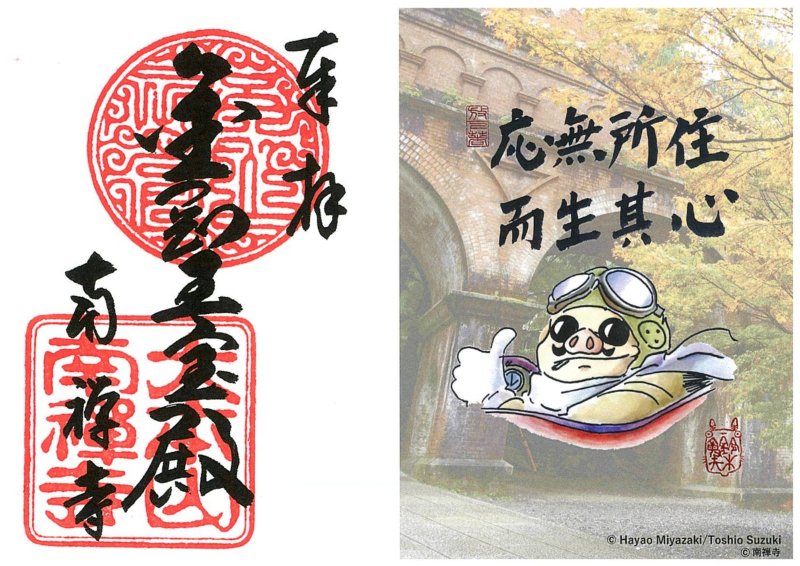
Zen and Ghibli at Kyoto City KYOCERA Museum of Art
Kyoto City KYOCERA Museum of Art, Higashiyama Cube (Higashiyama Sta.)
Oct 3 (Sat) – Dec 6 (Sun) 10:00 – 18:00
An immersive exhibition exploring Zen philosophy through Studio Ghibli films. Reservation priority begins October 31. From November 1, the museum opens at 9:00 AM on most Saturdays, Sundays, and public holidays, with some exceptions.
Details →Art exhibition
[2026 Fall] Collection Room Special Display: A Museum's Story - The Birth of the Kyoto City Museum of Art
Kyoto City KYOCERA Museum of Art, Main Building North Wing 1F (Higashiyama Sta.)
Oct 9 (Fri) – Dec 13 (Sun) 10:00 – 18:00
Traces the founding of the museum, opened in 1933 as the Kyoto Enthronement Memorial Museum of Art, and its earliest collection through works and archives, including Takeuchi Seiho's Bear and Tokuoka Shinsen's Wheat. Also on view: Animals in the Art Museum and Autumn Foliage. Last admission 5:30 PM.
Details →Art exhibition
The 119th Nitten Exhibition, Kyoto
Kyoto City KYOCERA Museum of Art, Main Building (Higashiyama Sta.)
Dec 19 (Sat) – Jan 16 (Sat) 10:00 – 18:00
The Kyoto showing of one of Japan's largest open juried art exhibitions, with about 500 works in five categories: Japanese-style painting, Western-style painting, sculpture, applied arts and calligraphy. Includes touring works and pieces by Kyoto and Shiga artists. Last admission 5:30 PM; closed Dec 28 to Jan 2.
Details →Art exhibition
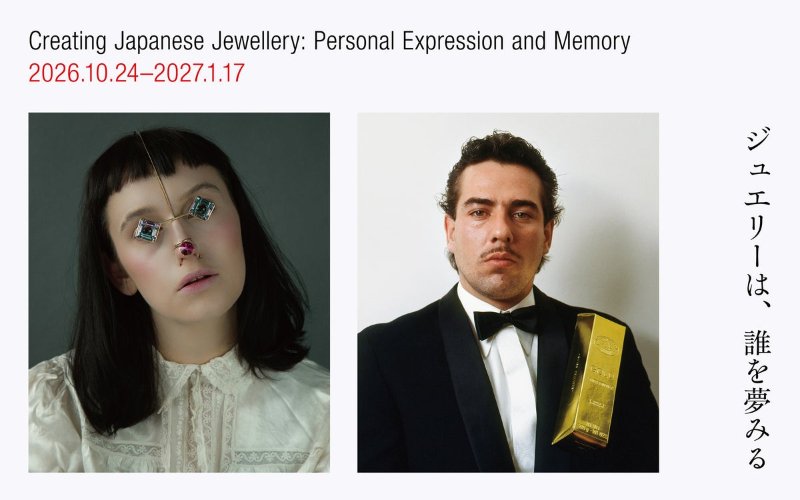
Who Does Jewelry Dream Of? at The National Museum of Modern Art
The National Museum of Modern Art, Kyoto (Higashiyama Sta.)
Oct 24 (Sat) – Jan 17 (Sun) 10:00 – 18:00
Open until 8:00 PM on Fridays. Advance-ticket and evening discounts are available, plus a ¥100 discount on same-day tickets for visitors wearing jewelry.
Details →
Tips from visitors
Been here? Leave a short tip for the next traveler — in any language. No name, no sign-up.
Thank you! We check every tip by hand and post it within a day or two.
How we post tips: we read every one before it goes up. We remove swear words, insults, ads, links and anything that could identify a person. Tips are shown in the language they were written in, with a translate link. Kyochika never writes or pays for tips, and there are no star ratings.
FAQ
- What is Kyoto City KYOCERA Museum of Art?
- Opened in 1933 to commemorate the imperial enthronement ceremonies of 1928, the Kyoto City KYOCERA Museum of Art occupies the oldest surviving original building of a public art museum in Japan. Architect Maeda Kenjiro designed its monumental Imperial Crown Style exterior, while Aoki Jun and Nishizawa Tezzo later transformed the building for its reopening on May 26, 2020. The result brings historic architecture and contemporary museum spaces into direct conversation.
- Hours at Kyoto City KYOCERA Museum of Art?
- 10:00–18:00. Last admission 17:30.
- Closed at Kyoto City KYOCERA Museum of Art?
- Mondays, except public holidays, and year-end/New Year holidays from December 28 to January 2.
- Admission at Kyoto City KYOCERA Museum of Art?
- Collection Room: Kyoto City residents ¥520; non-residents ¥730; groups of 20 or more ¥620. Elementary, junior high and high school students living or studying in Kyoto: free. Non-resident elementary, junior high and high school students: ¥300; groups ¥200. Children under elementary-school age: free. Residents aged over 70 with valid identification: free. Students attending participating Kyoto universities: ¥100. Special exhibition admission varies.
- Access at Kyoto City KYOCERA Museum of Art?
- 8 minutes on foot from Higashiyama Station on the Kyoto City Subway Tozai Line. 16 minutes on foot from Keihan Sanjo Station or Sanjo Keihan Subway Station.
- Can I visit the museum to see its architecture?
- The historic exterior and renovated entrance are central architectural features. Access to particular interior spaces depends on museum operations and exhibition admission conditions.
- Does the Collection Room ticket include special exhibitions?
- The museum publishes separate admission information for the Collection Room and special exhibitions. Special exhibition prices vary.
- Is the museum wheelchair accessible?
- Yes. The museum's official visitor information confirms wheelchair access to the museum and exhibition galleries. Free wheelchair rental is also available.
- How do I reach the museum by subway?
- Take the Kyoto City Subway Tozai Line to Higashiyama Station. The museum's official directions give an 8-minute walk from the station.