Gardens & villas in Kyoto · Shimogamo and Kitayama, Sakyo Ward
Kyoto Botanical Garden
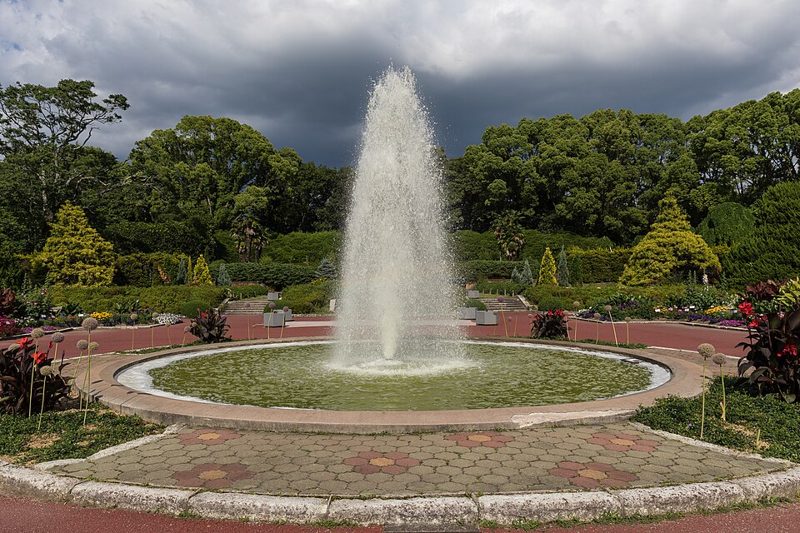
Opened on January 1, 1924, Kyoto Botanical Garden is Japan's oldest public botanical garden. Its approximately 240,000-square-meter site endured wartime food cultivation and a 12-year requisition by Allied forces beginning in 1946 before reopening in April 1961. Today, its collections include 38 officially designated heritage trees more than a century old and 186 cherry cultivars recognized as a National Collection.
Kyochika's take
Kyochika recommends Kyoto Botanical Garden to travelers who want to understand Japan's plants through both scientific collections and the seasonal traditions of horticulture. It is especially suitable for families, botanical enthusiasts and visitors who enjoy walking through contrasting landscapes.
The official garden recommends allowing 90–120 minutes plus breaks for a first visit. Our suggestion is to allow additional time if you want to explore the conservatory and heritage trees carefully, and to visit the conservatory before its earlier closing time.
Hours, admission and access
- Hours
- Garden: 9:00 AM–5:00 PM (last admission 4:00 PM). Conservatory: 10:00 AM–4:00 PM (last entry 3:30 PM). Opening hours may change for seasons and events. The conservatory's day-night reversal room is closed November–April.
- Closed
- December 28–January 4.
- Admission
- Adults: 500 yen; high school students and visitors aged 65 or older: 250 yen; junior high school students and younger: free. Conservatory admission included. Annual passes: adults 2,000 yen; high school students and visitors aged 65 or older 1,000 yen.
- Access
- Kitayama Station, Exit 3, directly connected to Kitayama Gate. Kitaoji Station, Exit 3, approximately 10 minutes on foot to the Main Gate. City Bus routes 1, 204, 205, 206 and Kita 8, or Kyoto Bus route 32, to Shokubutsuen-mae for the Main Gate.
- Nearest station
- Kitayama Station
Checked against official information on 2026-10-28. Details change, so check the official website before you go.
Sources: Kyoto Botanical Garden — Official English Website, Kyoto Botanical Garden — History, Kyoto Botanical Garden — Map and Collections, Kyoto Botanical Garden — Access, Kyoto Botanical Garden — FAQ, Kyoto Prefectural Government — Visitor Information, Updated September 27, 2026
 Pochikichi's story corner
How did Japan's oldest public botanical garden survive war and occupation?
Kyoto Botanical Garden stands in northern Kyoto, with views toward Mount Hiei and the Higashiyama mountains, the Kamo River to the west and the Kitayama mountains to the north. Construction began in 1917, and the garden officially opened on January 1, 1924, under the name Taitei Kinen Kyoto Shokubutsuen, or Taitei Commemorative Kyoto Botanical Garden. Unlike the temple gardens associated with religious leadership and private residences, this institution was established as a public botanical garden. Its opening created a place where people could encounter cultivated plants and learn about the natural world within the city.
The garden's history was interrupted by war. During World War II, vegetable plots were established within the property to contribute to food production. In 1946, after the war, the garden was requisitioned by Allied occupation forces for 12 years. The official history records that many trees were cut down during this difficult period. The institution was therefore affected not only by changes in administration but also by the physical loss of part of its living collections.
After public efforts supporting its recovery, the garden reopened in April 1961 as a place for recreation and education. Further development followed: the Japanese Forest was created in 1970 and the Western-style garden in 1981. In April 1992, the new conservatory and Botanical Garden Hall were completed, followed by the Kitayama Gate in December of that year. From 2009 onward, the garden continued to add plant displays, Shikisai-no-Oka, Botanical Window and additional conservatory environments. Each development reflects a different stage in the changing purpose of a modern public botanical garden.
In 2024, the institution celebrated its centenary and announced priorities for its next century, including biodiversity conservation, environmental learning and expanded research. That anniversary also brought recognition of heritage trees and the cherry cultivar collection. These initiatives reveal two complementary aspects of the institution: preserving living organisms that connect visitors with its past, and using botanical science to protect plant diversity in the future. So when you visit, look for the contrast between mature trees, reconstructed postwar landscapes, modern horticultural displays and the conservatory's carefully controlled environments.
Sources: Kyoto Botanical Garden — Official History, Kyoto Botanical Garden — Official English Guide, Kyoto Botanical Garden — Heritage Trees and Collections
Long ago, around hereWhat was on this land before the botanical garden opened?
The official historical introduction identifies the present site as part of the level landscape of northern Kyoto, bordered by the Kamo River and framed by the surrounding mountain ranges. Although the garden's English introduction discusses Japanese horticultural traditions reaching back to the Heian period, it does not establish that a specific Heian-period estate or garden occupied this exact property. Nor do the reviewed official sources establish a particular building or landowner on the site approximately 400 years ago. These earlier periods therefore cannot be described as a continuous, documented history of the present parcel.
The institution's official archive includes photographs of the area before construction, together with images of the Kamo River embankment and the developing garden. The documented botanical project began in 1917 and opened in 1924. The later wartime conversion, Allied requisition, postwar reopening and successive expansions transformed the site into the institution visitors see today. The best-supported interpretation is that the garden's modern history, rather than an unverified ancient predecessor, provides the clearest explanation of its present landscape.
Sources: Kyoto Botanical Garden — History and Photographic Archive, Kyoto Botanical Garden — English Introduction
Hidden highlights
- The 38 Heritage Trees
- For the garden's centenary on January 1, 2024, 38 trees more than 100 years old were designated as heritage trees and given interpretive signs. Some were planted when the garden opened, while others were growing here before the institution existed.
- The National Cherry Collection
- A collection of 186 cherry cultivars received National Collection recognition from the Japan Association of Botanical Gardens in 2024. The collection includes historically important cultivars developed during the Edo period and distinctive varieties preserved in Kyoto.
- The Conservatory
- The official English guide describes a 460-meter visitor route through ecological environments ranging from tropical rainforests to alpine habitats. Follow the sequence to compare plants adapted to very different climates.
- Japanese Forest
- Established in 1970, this collection represents an important phase of the garden's reconstruction and development after its reopening.
- Western-style Garden
- Created in 1981, this landscape provides a contrast with the Japanese Forest and includes formal horticultural displays.
- Shikisai-no-Oka
- This area belongs to the garden's period of development beginning in 2009. Compare its seasonal planting displays with the mature trees and older collections elsewhere on the grounds.
Sources: Kyoto Botanical Garden — Collections and Heritage Trees, Kyoto Botanical Garden — Historical Development, Kyoto Botanical Garden — Conservatory Information
The trees that remember Kyoto before the botanical garden
When Kyoto Botanical Garden celebrated its hundredth anniversary on January 1, 2024, it designated 38 trees over a century old as heritage trees. The official account identifies Himalayan cedars planted at the time of the garden's opening, along with Chinese witch hazel, American osage orange and other historically significant specimens.
Some of the designated trees, including kagono-ki and aki-nire, were already growing on the land before the botanical garden was established. Their importance lies not merely in their age but in their continuity across the institution's changing history. The garden has installed signs so visitors can recognize these living links with the past.
Why are the garden's cherry trees a national collection?
In 2024, the Japan Association of Botanical Gardens recognized Kyoto Botanical Garden's collection of 186 cherry cultivars as a National Collection. The official account explains that it includes valuable historical cultivars collected around the garden's opening, including forms developed during the Edo period and distinctive varieties preserved in Kyoto.
The recognition places the collection within a broader conservation purpose. Cherry trees are not only ornamental symbols of spring: cultivated varieties also preserve horticultural history and genetic diversity. The collection allows visitors to compare different expressions of a plant deeply connected with Japanese seasonal culture.
Sources: Kyoto Botanical Garden — National Cherry Collection
How to walk it
- Kitayama Gate — Enter from Kitayama Station Exit 3 and collect the current garden map and seasonal plant information. (10 min)
- Heritage Trees — Use the official heritage-tree map to identify specimens associated with the garden's early history and those predating its creation. (20 min)
- Cherry Collection — In spring, compare the different cultivars. Outside the flowering period, use the seasonal plant guide to identify alternative highlights. (20 min)
- Japanese Forest — Explore the woodland area established during the garden's postwar development. (15 min)
- Conservatory — Follow the different ecological environments and compare tropical plants with species adapted to cooler habitats. (30 min)
- Western-style Garden — Explore the formal planting areas and seasonal flower displays. (20 min)
- Shikisai-no-Oka — Finish with an examination of the garden's seasonal displays before returning toward an available exit gate. (15 min)
Total suggested viewing time: approximately 130 minutes, excluding breaks. All individual stop durations are Kyochika estimates, not official times. The garden itself recommends 90–120 minutes plus breaks for first-time visitors. This is a thematic itinerary rather than a verified shortest walking route; consult the official map for the practical order of stops.
Sources: Kyoto Botanical Garden — Map and Seasonal Collections, Kyoto Botanical Garden — History
Through the seasons
- Spring
- The official garden highlights approximately 500 cherry trees in flower. The collection includes 186 cultivars recognized nationally for their horticultural and historical significance.
- Late spring–early summer
- Consult the current flowering calendar for seasonal garden displays and explore the formal flower areas.
- Summer
- Explore the conservatory's tropical and other ecological collections, alongside seasonal outdoor plants.
- Autumn
- The official English garden guide highlights the seasonal colors of maple and ginkgo collections.
- Winter
- Visit the conservatory and the heritage-tree collection. The day-night reversal room closes from November through April, and the garden's annual closure runs from December 28 to January 4.
Getting there by taxi or bus
- Taxi
- Ask for Kyoto Botanical Garden, specifying either the Main Gate or Kitayama Gate. The official access page places the paid parking area east of the Main Gate.
- Bus
- Main Gate: Kyoto City Bus routes 1, 204, 205, 206 and Kita 8, or Kyoto Bus route 32, to Shokubutsuen-mae (植物園前). Kitayama Gate: Kyoto City Bus Kita 8 to Shokubutsuen Kitamon-mae (植物園北門前).
- Other
- Karasuma Subway Line to Kitayama Station, Exit 3, directly connected to Kitayama Gate. Alternatively, Kitaoji Station, Exit 3, approximately 10 minutes on foot to the Main Gate.
Sources: Kyoto Botanical Garden — Official Access, Kyoto Botanical Garden — Official FAQ
Pair it with
- Kamo River — Combine the cultivated botanical landscape with the river setting identified in the garden's official history.
- Kitayama Area — Extend the visit into the surrounding northern Kyoto area using Kitayama Station as the transport connection.
- Kamo River Embankment — Compare the present river landscape with the embankment shown in the garden's historical photographic archive.
Good to know before you go
- The official website provides English-language admission, access and visitor information.
- Garden maps and seasonal plant information are available at the entrance gates.
- Regular admission includes entry to the conservatory.
- The conservatory closes earlier than the outdoor garden.
- Cash and credit cards are accepted at the ticket gates according to the official English guide.
- The garden recommends 90–120 minutes plus breaks for first-time visitors.
- The official map identifies a collection of 38 heritage trees with interpretive signs.
- The official website provides information about plants currently in season.
- The Kyoto Prefectural Government confirms free admission for junior high school students and younger.
- Qualifying visitors with disability documentation or Mirairo ID may receive free admission, including an accompanying caregiver, under the published rules.
- Bicycle parking is available at the Main Gate, Kitayama Gate and Kamo River Gate.
- The official access page identifies a paid car park east of the Main Gate.
- The garden's official information states that the day-night reversal room in the conservatory is closed from November through April.
- Opening hours can change for seasonal or special events.
- The official FAQ provides additional guidance on visitor facilities and permitted activities.
Next stop: book for later today PR
Tickets and experiences in Kyoto you can book on Klook. Filter by “Today” to see what is still open.
Kimono rental in Kyoto→Tea ceremony experiences in Kyoto→Kyoto one-day sightseeing tours→All things to do in Kyoto on Klook →Compare on GetYourGuide: Kimono rental in Kyoto · Tea ceremony experiences in Kyoto · Kyoto one-day sightseeing tours
Ad: Klook and GetYourGuide affiliate links.
Tips from visitors
Been here? Leave a short tip for the next traveler — in any language. No name, no sign-up.
Thank you! We check every tip by hand and post it within a day or two.
How we post tips: we read every one before it goes up. We remove swear words, insults, ads, links and anything that could identify a person. Tips are shown in the language they were written in, with a translate link. Kyochika never writes or pays for tips, and there are no star ratings.
FAQ
- What is Kyoto Botanical Garden?
- Opened on January 1, 1924, Kyoto Botanical Garden is Japan's oldest public botanical garden. Its approximately 240,000-square-meter site endured wartime food cultivation and a 12-year requisition by Allied forces beginning in 1946 before reopening in April 1961. Today, its collections include 38 officially designated heritage trees more than a century old and 186 cherry cultivars recognized as a National Collection.
- Hours at Kyoto Botanical Garden?
- Garden: 9:00 AM–5:00 PM (last admission 4:00 PM). Conservatory: 10:00 AM–4:00 PM (last entry 3:30 PM). Opening hours may change for seasons and events. The conservatory's day-night reversal room is closed November–April.
- Closed at Kyoto Botanical Garden?
- December 28–January 4.
- Admission at Kyoto Botanical Garden?
- Adults: 500 yen; high school students and visitors aged 65 or older: 250 yen; junior high school students and younger: free. Conservatory admission included. Annual passes: adults 2,000 yen; high school students and visitors aged 65 or older 1,000 yen.
- Access at Kyoto Botanical Garden?
- Kitayama Station, Exit 3, directly connected to Kitayama Gate. Kitaoji Station, Exit 3, approximately 10 minutes on foot to the Main Gate. City Bus routes 1, 204, 205, 206 and Kita 8, or Kyoto Bus route 32, to Shokubutsuen-mae for the Main Gate.
- Is the conservatory included in the ticket?
- Yes. The official Kyoto Prefectural Government guide confirms that regular garden admission and annual passes include conservatory access.
- How much time should I allow?
- The official garden recommends 90–120 minutes plus breaks for a first visit. Kyochika suggests allowing longer if you want to investigate multiple collections closely.
- Can I visit in winter?
- Yes, outside the December 28–January 4 closure. The conservatory normally operates during winter, although its day-night reversal room is closed from November through April.
- Which station is closest?
- Kitayama Station Exit 3 connects directly to Kitayama Gate. For the Main Gate, Kitaoji Station Exit 3 is approximately a 10-minute walk.