Shrines in Kyoto · Okazaki–Sakyo
Heian Jingu Shrine
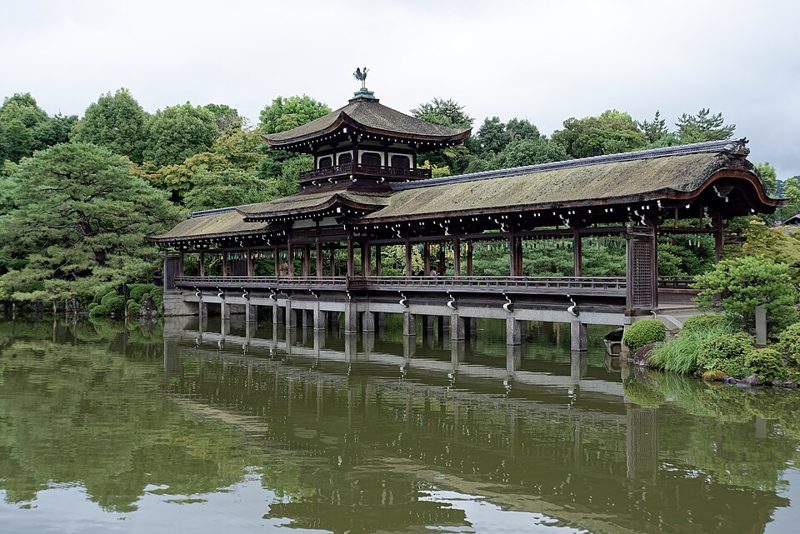
Heian Jingu may look like an ancient imperial palace, but it was built in 1895 to celebrate 1,100 years since Kyoto became Japan's capital. Its vermilion halls recreate the architecture of the Heian-period palace, while the gardens behind them were designed by Ogawa Jihei VII, one of modern Kyoto's most influential landscape architects. Together, they tell the story of a city determined to reinvent itself after losing its status as Japan's political capital.
Kyochika's take
Approach through the great torii gate, continue past Otenmon to the Daigokuden, then explore the Shin'en Garden. This lets you compare architecture inspired by ancient Kyoto with a garden created during the Meiji era. Allow around 30 minutes for the main shrine grounds or 60–90 minutes including the gardens. The Kyoto City KYOCERA Museum of Art and the Lake Biwa Canal make excellent nearby stops.
Hours, admission and access
- Hours
- March 1–September 30: 6:00–18:00 (garden admission until 17:30). October 1–31: 6:00–17:30 (garden admission until 17:00). November 1–end of February: 6:00–17:00 (garden admission until 16:30). Garden admission opens at 8:30.
- Closed
- Generally open daily. Access is restricted during the afternoon of October 22.
- Admission
- Shrine grounds: free. Shin'en Garden: adults ¥600, children through junior high school ¥300, preschool children free.
- Access
- Approximately 10 minutes on foot from Higashiyama on the Tozai Subway Line, or 3 minutes from the Okazaki Koen/Bijutsukan–Heian Jingu-mae city bus stop.
- Nearest station
- Higashiyama
Checked against official information on 2026-10-28. Details change, so check the official website before you go.
Sources: Heian Jingu Shrine: Frequently Asked Questions (Japanese), Heian Jingu Shrine: Shin'en Garden (Japanese), Kyoto City Official Tourism Guide: Heian Jingu Shrine (Japanese), Kyoto Prefecture Tourism Federation: Heian Jingu Shrine (Japanese)
 Pochikichi's story corner
Why was a shrine celebrating ancient Kyoto built in the Meiji era?
When Heian Jingu was founded in 1895, Kyoto was struggling to redefine itself. Following the Meiji Restoration, the center of national government had moved to Tokyo, dealing a serious blow to Kyoto's population and economy. Local citizens responded by building schools, improving transport, and creating the Lake Biwa Canal. They wanted to revive the old capital as a modern city. The celebration of the 1,100th anniversary of Kyoto's founding became a powerful symbol of this ambition.
The shrine was established on March 15, 1895, to honor Emperor Kanmu, who established Heian-kyo as the imperial capital. Its Daigokuden ceremonial hall and Otenmon gate were modeled on the ancient imperial palace complex. The architects Kigo Kiyotaka and Ito Chuta were involved in the design and supervision of construction. In 1940, Emperor Komei, regarded as the last emperor to reign from the Heian capital, was added as a second enshrined deity. The shrine now honors both emperors.
The gardens were created by Ogawa Jihei VII, a celebrated landscape designer of the Meiji period. Water from the Lake Biwa Canal feeds the ponds, which became habitats for rare aquatic species as well as beautifully composed landscapes. The word Heian evokes both Kyoto's ancient capital and a wish for peace and tranquility. So after admiring the grand ceremonial halls, explore the Shin'en Garden and look for the blend of modern engineering and traditional garden design.
Sources: Heian Jingu Shrine: History (Japanese), Heian Jingu Shrine: Shin'en Garden (Japanese), Kyoto City Official Tourism Guide: Heian Jingu Shrine (Japanese)
Long ago, around hereWhat stood here before the shrine?
The Okazaki district took on its present character as a center of culture during Kyoto's modernization in the Meiji period. The Lake Biwa Canal brought water to the area, while the Keage hydroelectric power station helped introduce a new source of energy. In 1895, Kyoto hosted the Fourth National Industrial Exhibition, presenting its industries and cultural achievements to visitors. Heian Jingu was founded amid this wave of modernization and civic revival.
That same year, Japan's first commercial electric streetcar began operating in Kyoto. An early carriage from the Kyoto Electric Railway was preserved in the shrine's garden. The canal water flowing through the landscape, the reconstructed ancient palace halls, and the preserved tram all reflect a city balancing historical pride with modern technology. As you walk around Okazaki, look at how the shrine, canal, and surrounding cultural institutions fit together.
Sources: Heian Jingu Shrine: History (Japanese), Heian Jingu Shrine: 130th Anniversary Project (Japanese)
Lesser-known things to discover
- Garyukyo Stepping Stones
- A path of stepping stones across the Soryu Pond. The stones were originally bridge supports from the Sanjo and Gojo bridges built under Toyotomi Hideyoshi.
- Literary Plants of the South Garden
- More than 200 plant species mentioned in classics such as The Tale of Genji, The Pillow Book, and The Tales of Ise appear with passages from the works.
- Taiheikaku Bridge Pavilion
- An elegant covered bridge across the East Garden pond. The structure was moved from Kyoto Gyoen, the former imperial palace grounds.
- Weeping Cherry Trees
- The garden's famous red weeping cherries are traditionally associated with the Konoe family and are said to have returned to Kyoto after being taken to northeastern Japan.
- Historic Kyoto Electric Railway Car
- A preserved carriage recalling Kyoto's pioneering electric tramway. It represents an important chapter in Japan's modernization and is designated an Important Cultural Property.
Sources: Heian Jingu Shrine: Shin'en Garden (Japanese), Heian Jingu Shrine: History (Japanese), Heian Jingu Shrine: 130th Anniversary Project (Japanese)
Through the seasons
- Spring
- The red weeping cherry trees in Shin'en Garden are a celebrated seasonal highlight.
- Summer
- Japanese irises bloom in the garden in early summer.
- Autumn
- The Jidai Matsuri, or Festival of the Ages, takes place on October 22.
- Winter
- Both the shrine grounds and garden close earlier during the winter season.
Good to know before you go
- Entry to the main shrine grounds is free, but the Shin'en Garden requires a separate ticket.
- Using a tripod or monopod in the garden requires a fee paid at the entrance. They are prohibited during cherry blossom season and on free-admission days.
- Visitors are asked not to enter planted areas or cross barriers to take photographs.
- Regular afternoon access is restricted on October 22 because of the Jidai Matsuri.
- Some parts of the garden are not accessible by wheelchair, and assistance may be needed.
Events nearby
Nov 6 (Fri) 10:00 – 16:00
Scheduled market dates during the featured period are November 6 and December 4, not every day. Up to around 160 stalls gather against the backdrop of Heian Jingu Shrine. Held even in rainy weather.
Details →Dec 4 (Fri) 10:00 – 16:00
Scheduled market dates during the featured period are November 6 and December 4, not every day. Up to around 160 stalls gather against the backdrop of Heian Jingu Shrine. Held even in rainy weather.
Details →Art exhibition
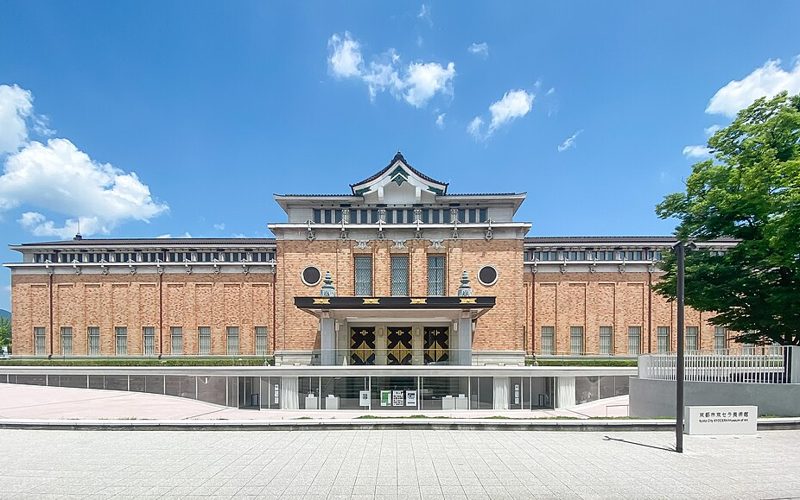
Soshi Matsunobe: Wall at Kyoto City KYOCERA Museum of Art
Kyoto City KYOCERA Museum of Art, The Triangle (Higashiyama Sta.)
Sep 12 (Sat) – Dec 20 (Sun) 10:00 – 18:00
A contemporary art exhibition that reexamines the way we perceive everyday objects through lines, shadows, backgrounds, and the unconscious. Open to all visitors.
Details →Art exhibition
140th Birth Anniversary: Seika Yamaga — Imagination in Flight at Kyoto City KYOCERA Museum of Art
Kyoto City KYOCERA Museum of Art, Main Building, South Wing, 1st Floor (Higashiyama Sta.)
Sep 19 (Sat) – Dec 20 (Sun) 10:00 – 18:00
The first retrospective in 40 years devoted to textile artist Seika Yamaga. The second exhibition period begins November 3, with some works replaced. Last admission at 5:30 PM.
Details →Art exhibition
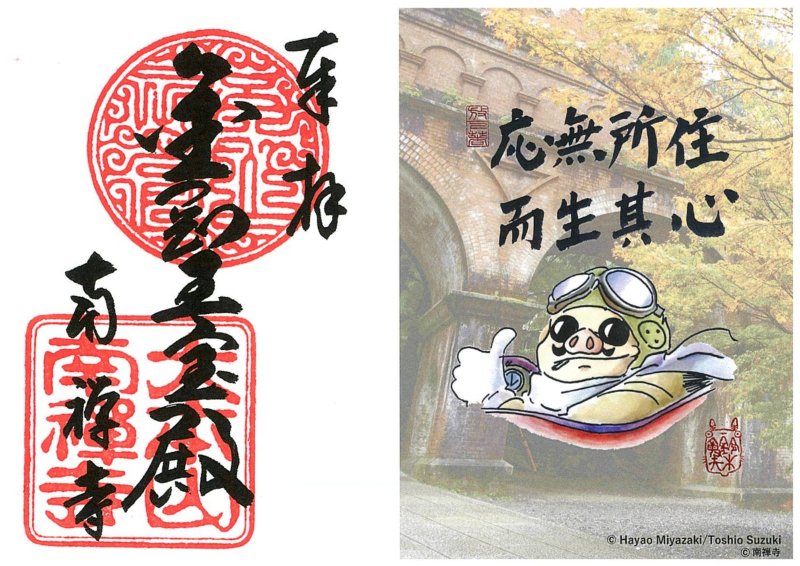
Zen and Ghibli at Kyoto City KYOCERA Museum of Art
Kyoto City KYOCERA Museum of Art, Higashiyama Cube (Higashiyama Sta.)
Oct 3 (Sat) – Dec 6 (Sun) 10:00 – 18:00
An immersive exhibition exploring Zen philosophy through Studio Ghibli films. Reservation priority begins October 31. From November 1, the museum opens at 9:00 AM on most Saturdays, Sundays, and public holidays, with some exceptions.
Details →Art exhibition
Stories by Master Heinz Werner — The Porcelain Art of Modern Meissen at Hosomi Museum
Hosomi Museum (Higashiyama Sta.)
Nov 21 (Sat) – Jan 31 (Sun) 10:00 – 17:00
Explore the porcelain artistry and imaginative storytelling of Heinz Werner, a leading figure in modern Meissen.
Details →
FAQ
- What is Heian Jingu Shrine?
- Heian Jingu may look like an ancient imperial palace, but it was built in 1895 to celebrate 1,100 years since Kyoto became Japan's capital. Its vermilion halls recreate the architecture of the Heian-period palace, while the gardens behind them were designed by Ogawa Jihei VII, one of modern Kyoto's most influential landscape architects. Together, they tell the story of a city determined to reinvent itself after losing its status as Japan's political capital.
- Hours at Heian Jingu Shrine?
- March 1–September 30: 6:00–18:00 (garden admission until 17:30). October 1–31: 6:00–17:30 (garden admission until 17:00). November 1–end of February: 6:00–17:00 (garden admission until 16:30). Garden admission opens at 8:30.
- Closed at Heian Jingu Shrine?
- Generally open daily. Access is restricted during the afternoon of October 22.
- Admission at Heian Jingu Shrine?
- Shrine grounds: free. Shin'en Garden: adults ¥600, children through junior high school ¥300, preschool children free.
- Access at Heian Jingu Shrine?
- Approximately 10 minutes on foot from Higashiyama on the Tozai Subway Line, or 3 minutes from the Okazaki Koen/Bijutsukan–Heian Jingu-mae city bus stop.