Temples in Kyoto · Higashiyama / Gion
Sanjusangen-do Temple (Rengeo-in)
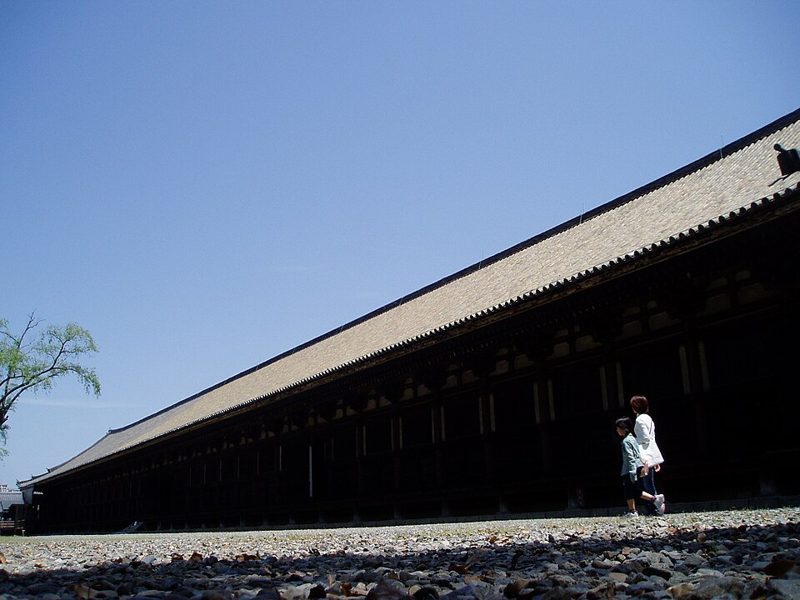
Inside a hall approximately 120 meters long stand 1,001 images of Kannon, the Buddhist bodhisattva of compassion. Officially called Rengeo-in, this extraordinary temple preserves a National Treasure hall rebuilt during the Kamakura period. Originally constructed within the palace complex of the retired Emperor Go-Shirakawa, it later became the setting for remarkable archery contests during the Edo period.
Kyochika's take
Allow approximately one hour to appreciate the sculptures inside the hall and explore the long exterior veranda and garden. The Kyoto National Museum is nearby, making this an excellent pairing for visitors interested in Buddhist sculpture and Japanese history.
Hours, admission and access
- Hours
- April 1–November 15: 8:30–17:00. November 16–March 31: 9:00–16:00. Last admission is 30 minutes before closing.
- Closed
- Open year-round.
- Admission
- Adults ¥600, junior and senior high school students ¥400, elementary school students ¥300. Groups of 25 or more: adults ¥550, junior and senior high school students ¥350, elementary school students ¥250.
- Reservations
- No reservation or advance notification is required for ordinary group visits.
- Access
- Approximately 7 minutes on foot from Exit 2 of Keihan Shichijo Station, or immediately beside the Hakubutsukan Sanjusangendo-mae city bus stop.
- Nearest station
- Shichijo
Checked against official information on 2026-10-28. Details change, so check the official website before you go.
Sources: Sanjusangen-do Official Website: Visitor Information (Japanese), Sanjusangen-do Official Website: Photography and Image Permissions (Japanese)
 Pochikichi's story corner
Why are there a thousand images of Kannon in one hall?
Go-Shirakawa became emperor in 1155 and later exercised considerable political influence as a retired emperor through the system known as insei, or cloistered rule. In 1164, he commissioned Rengeo-in within his palace complex. The temple was an extraordinary expression of his Buddhist devotion, with a long hall built to accommodate images of the thousand-armed Kannon, the bodhisattva of compassion. Its popular name, Sanjusangen-do, means Hall of Thirty-Three Bays, referring to the spaces between its interior pillars.
The original hall burned down roughly 80 years after its construction, but was rebuilt during the reign of the retired Emperor Go-Saga. That Kamakura-period structure survives today. A large seated Kannon occupies the center, with one thousand standing images arranged on both sides. In 2018, statues that had been kept elsewhere were returned, bringing all 1,001 Kannon figures together again. That year also saw the arrangement of the Twenty-Eight Guardian Deities and the Wind and Thunder Gods adjusted in light of scholarly research.
In the Muromachi period, Shogun Ashikaga Yoshinori supported repairs to the temple. Later, Toyotomi Hideyoshi built the enormous Great Buddha Hall of Hoko-ji immediately to the north and incorporated Sanjusangen-do into its precincts. The South Gate and the Taiko Wall, named after Hideyoshi's title, still survive. Through fires, conflict and political upheaval, the temple's building and sculptures have been preserved. So do not look only at the enormous seated Kannon in the center. Take time to examine the individual faces of the thousand standing figures.
Sources: Sanjusangen-do Official Website: History (Japanese), Sanjusangen-do Official Website: Buddhist Statues (Japanese)
Long ago, around hereWas this neighborhood once a retired emperor's palace?
The Higashiyama-Shichijo district surrounding Sanjusangen-do was once part of the Hojuji-dono palace complex, associated with the retired Emperor Go-Shirakawa. During the age of cloistered rule, retired emperors could continue to exercise political power after leaving the throne. Their residences were therefore important centers of government as well as religious devotion. Sanjusangen-do was built within this world of imperial authority, making it much more than an isolated Buddhist temple. Go-Shirakawa's imperial tomb also remains in the area.
In the late 16th century, Toyotomi Hideyoshi transformed the district into another expression of political power. He built the vast Hoko-ji Great Buddha Hall north of Sanjusangen-do and enclosed parts of the former palace and temple landscape with walls. The surviving South Gate and Taiko Wall recall that ambitious project. During the Edo period, the long western veranda of Sanjusangen-do became famous for archery contests in which competitors attempted to shoot arrows along its length. Politics, religion and martial skill all left their mark here. So after exploring the hall, step outside and look at its long veranda and Hideyoshi's wall.
Sources: Sanjusangen-do Official Website: History (Japanese), Sanjusangen-do Official Website: Willow Blessing and Archery Tournament (Japanese)
Details worth looking for
- Wind and Thunder Gods
- These Kamakura-period National Treasure statues represent powerful deities. The temple suggests viewing them from a low position, where the ceiling beams can resemble flashes of lightning.
- Twenty-Eight Guardian Deities
- This group protects Kannon and includes figures derived from ancient Indian religious traditions. Their remarkably lifelike expressions reveal the dramatic power of Kamakura-period sculpture.
- Statue Search System
- Touchscreen displays behind the main visitor passage allow you to explore the names and faces of individual standing Kannon figures.
- The Taiko Wall
- A surviving wall built during Toyotomi Hideyoshi's construction of Hoko-ji's Great Buddha Hall. This Important Cultural Property recalls the temple's place in Hideyoshi's grand urban plans.
- The Archery Veranda
- During the Edo period, archers competed to send arrows along the approximately 120-meter veranda. A commemorative plaque preserves the record associated with the celebrated archer Wasa Daihachiro.
Sources: Sanjusangen-do Official Website: Buddhist Statues (Japanese), Sanjusangen-do Official Website: Wind and Thunder Gods (Japanese), Sanjusangen-do Official Website: Annual Events (Japanese), Sanjusangen-do Official Website: History (Japanese)
Through the seasons
- Spring
- Visit the main hall and enjoy the landscaped garden with its strolling paths and pond.
- Summer
- See the thousand-armed Kannon figures, the Twenty-Eight Guardian Deities, and the Wind and Thunder Gods inside the hall.
- Autumn
- Walk through the garden as the seasons change.
- Winter
- The Willow Blessing and Great Archery Tournament take place, preserving religious traditions associated with Go-Shirakawa and the temple's archery history.
Good to know before you go
- Shoes must be removed before entering the main hall. Shoe storage is available at the entrance.
- Permission is required for press photography and the use of images of cultural properties. Follow posted instructions regarding personal photography.
- Wheelchairs are available to borrow, and the hall has access ramps and an accessible restroom.
- Ordinary group visits require no reservation, but special applications are needed for exemptions related to school-trip inspections or training visits.
FAQ
- What is Sanjusangen-do Temple (Rengeo-in)?
- Inside a hall approximately 120 meters long stand 1,001 images of Kannon, the Buddhist bodhisattva of compassion. Officially called Rengeo-in, this extraordinary temple preserves a National Treasure hall rebuilt during the Kamakura period. Originally constructed within the palace complex of the retired Emperor Go-Shirakawa, it later became the setting for remarkable archery contests during the Edo period.
- Hours at Sanjusangen-do Temple (Rengeo-in)?
- April 1–November 15: 8:30–17:00. November 16–March 31: 9:00–16:00. Last admission is 30 minutes before closing.
- Closed at Sanjusangen-do Temple (Rengeo-in)?
- Open year-round.
- Admission at Sanjusangen-do Temple (Rengeo-in)?
- Adults ¥600, junior and senior high school students ¥400, elementary school students ¥300. Groups of 25 or more: adults ¥550, junior and senior high school students ¥350, elementary school students ¥250.
- Reservations at Sanjusangen-do Temple (Rengeo-in)?
- No reservation or advance notification is required for ordinary group visits.
- Access at Sanjusangen-do Temple (Rengeo-in)?
- Approximately 7 minutes on foot from Exit 2 of Keihan Shichijo Station, or immediately beside the Hakubutsukan Sanjusangendo-mae city bus stop.