Temples in Kyoto · Omuro, Ukyo Ward, Kyoto
Ninna-ji Temple
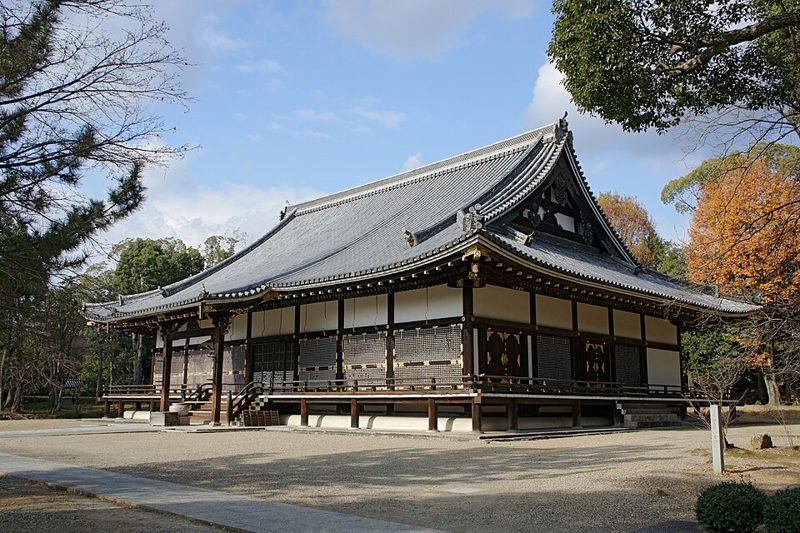
Ninna-ji's National Treasure Kondo was once the Shishinden ceremonial hall of Kyoto's Imperial Palace. Founded in 888 under Emperor Uda, the temple was devastated during the Onin War beginning in 1467 and rebuilt in 1646 with buildings transferred from the palace. Its late-blooming Omuro cherry trees, generally at their best around mid-April, add another distinctive chapter to this World Heritage temple's history.
Kyochika's take
Kyochika recommends Ninna-ji to travelers interested in imperial architecture, Buddhist history, traditional gardens, and cherry blossoms. We suggest combining the Goten Garden with the Kondo and five-story pagoda to see how courtly architecture and religious buildings coexist. In April, prioritize the Omuro cherry grove; in autumn, consider the temple's officially announced exhibitions and illuminations.
Hours, admission and access
- Hours
- Goten Garden: 9:00 AM–5:00 PM, March–November; 9:00 AM–4:30 PM, December–February. The official homepage states that reception ends at 4:30 PM for the 5:00 PM schedule. Winter last admission is not separately specified.
- Closed
- No regular closing days. Individual areas may be temporarily unavailable.
- Admission
- Goten Garden: adults ¥800; high school students and younger free. Reihokan Museum, open for limited periods: adults ¥500; high school students and younger free. Omuro Flower Festival special admission: adults ¥800; high school students and younger free. Groups of 15 or more: adults ¥720 for the Goten Garden or Omuro Flower Festival and ¥450 for Reihokan. A combined Goten Garden and Reihokan ticket is available during museum opening periods; its price is not specified in the reviewed FAQ.
- Access
- Approximately 3 minutes on foot from Omuro-Ninnaji Station on the Randen railway. Approximately 15 minutes on foot or 5 minutes by taxi from JR Hanazono Station. Kyoto City Bus route 26 from Kyoto Station takes approximately 40 minutes.
- Nearest station
- Omuro-Ninnaji Station
Checked against official information on 2026-10-28. Details change, so check the official website before you go.
Sources: Ninna-ji Official Homepage, Ninna-ji Official History, Ninna-ji Official Precinct Guide, Ninna-ji Official Admission and Access, Ninna-ji Official FAQ
 Pochikichi's story corner
Why does Ninna-ji preserve an imperial palace building?
Ninna-ji began with an imperial wish. In 886, Emperor Koko ordered the construction of a temple called Nishiyama Goganji. He died the following year before completing the project. His successor, Emperor Uda, fulfilled that wish in 888, completing the temple and naming it Ninna-ji after the contemporary era. The institution's imperial connection was therefore fundamental from its foundation rather than an association acquired centuries later.
Emperor Uda abdicated in 897 and subsequently entered religious life, becoming the temple's first imperial head priest. Members of the imperial family continued to serve as successive head priests, establishing Ninna-ji as a distinguished monzeki temple. During the Heian and Kamakura periods, this connection gave the institution exceptional status. Its religious community was associated with the imperial household, and that relationship continued to shape the temple's character for centuries.
The Onin War, beginning in 1467, brought devastation. Almost the entire temple complex burned, but the principal Amitabha triad, religious documents, and other treasures were transferred to Shinkoin for protection. Reconstruction became possible in 1634, when Prince Kakushin requested support from Tokugawa Iemitsu, the third Tokugawa shogun. The shogunate agreed, and buildings from the Imperial Palace were granted to the temple. Reconstruction was completed in 1646.
The Kondo, now a National Treasure, was formerly the palace's Shishinden ceremonial hall. The Miedo also incorporates elements from the palace's Seiryoden. Ninna-ji's tradition of imperial head priests ended in 1867, and its residential buildings burned in 1887 before being rebuilt during the Taisho period. The temple was inscribed as part of the Historic Monuments of Ancient Kyoto World Heritage property in 1994. So when you visit, look for the architectural contrast between the former imperial ceremonial hall, the reconstructed Goten residence, and the Buddhist buildings that surround them.
Sources: Ninna-ji Official History, Ninna-ji Official Precinct Guide
Long ago, around hereHow did the Omuro landscape become an imperial Buddhist precinct?
The earliest documented transformation of this site in the reviewed official history begins with Emperor Koko's foundation order in 886 and Emperor Uda's completion of the temple in 888. The official account does not identify specific buildings that occupied the exact site before this foundation. What can be established is that the area became the location of an institution closely associated with the imperial family, eventually developing into one of the most prestigious monzeki temples of the Heian and Kamakura periods.
Around 400 years ago, Ninna-ji was approaching its great Edo-period reconstruction. After the destruction caused by the Onin War, the rebuilding initiative gained shogunal support in 1634 and was completed in 1646. By approximately 150 years ago, the temple had entered a different period: the imperial-head-priest tradition had ended in 1867, while the residential complex would suffer another fire in 1887. Today's precinct consequently contains architectural layers from different periods rather than an entirely unchanged original foundation.
Sources: Ninna-ji Official History
Hidden highlights
- Kondo
- This National Treasure contains the principal Amitabha triad and is the oldest surviving Shishinden building. Its previous life as an imperial ceremonial hall distinguishes it from the other Buddhist structures.
- Shoro Bell Tower
- The bell is concealed behind surrounding wooden boarding rather than being openly visible. The tower's upper level has vermilion architectural elements.
- Kyozo Sutra Repository
- A revolving octagonal bookcase inside the repository contains 768 sutra boxes. The temple identifies painted Buddhist figures on the interior walls.
- Miedo
- The founder's hall incorporates material from the former Imperial Palace Seiryoden. Its religious images include Kobo Daishi and Emperor Uda.
- Mizukake Fudo
- A stone image of Fudo Myoo stands between the bell tower and Miedo. Its name refers to the practice of pouring water over the image during prayer.
Sources: Ninna-ji Official Precinct Guide
The emperor who entered Buddhist life
Emperor Uda completed Ninna-ji in 888, carrying out the wishes of his predecessor, Emperor Koko. After abdicating in 897, he became a Buddhist monk and Ninna-ji's first imperial head priest. This established a tradition in which members of the imperial family took religious leadership roles at the temple.
The importance of this story becomes visible in the temple's architecture. Ninna-ji is associated not only with Buddhist halls but also with residential and ceremonial buildings connected to the imperial household. Kyochika suggests considering this relationship when moving between the Goten and Kondo.
Sources: Ninna-ji Official History
The treasures rescued from a burning temple
The Onin War beginning in 1467 destroyed nearly the entire temple complex. Yet the principal Amitabha triad, sacred writings, and other important objects survived because they were moved to Shinkoin, an affiliated temple.
Their preservation allowed the religious inheritance of Ninna-ji to continue despite the loss of its buildings. When the complex was rebuilt with shogunal assistance and former imperial structures in 1646, it was not simply creating new architecture. It was also providing a renewed setting for a religious institution whose sacred objects and traditions had survived destruction.
Sources: Ninna-ji Official History
How to walk it
- Niomon Gate — Enter through the monumental gateway and examine the Buddhist guardian figures. (5 min)
- Goten Garden — Explore the former imperial residential precinct and its garden architecture. (25 min)
- Middle Gate — Continue toward the main religious buildings. (5 min)
- Omuro cherry grove — During the flowering season, examine the distinctive Omuro cherry trees. (10 min)
- Five-story pagoda — View the Edo-period pagoda within the main precinct. (10 min)
- Kondo — Study the former Imperial Palace ceremonial hall, now the temple's main Buddhist hall. (10 min)
- Miedo and Shoro — Examine the founder's hall and the unusual enclosed bell tower. (10 min)
All individual stop durations are Kyochika estimates, not official timings. The temple's FAQ states that approximately one hour is required for a visit. Actual time depends on accessible areas and seasonal exhibitions.
Sources: Ninna-ji Official Precinct Guide, Ninna-ji Official FAQ
Through the seasons
- April
- The Omuro cherry trees generally reach their best viewing period around mid-April.
- October–November 2026
- The official homepage advertises the autumn Reihokan exhibition from October 3 to November 29.
- October–December 2026
- The official homepage advertises autumn foliage illumination from October 24 through December 13 on designated Fridays, Saturdays, Sundays, and holidays.
- December–February
- Goten Garden opening hours are shorter, ending at 4:30 PM.
Getting there by taxi or bus
- Taxi
- Approximately 5 minutes from JR Hanazono Station according to the official access page.
- Bus
- Kyoto City Bus route 26 from Kyoto Station, approximately 40 minutes. The destination stop is Omuro Ninnaji (御室仁和寺). Kyoto City Bus routes 10 and 59 from Keihan Sanjo Station are also listed by the temple.
- Other
- Randen railway to Omuro-Ninnaji Station, approximately 3 minutes on foot. JR Sagano Line to Hanazono Station, approximately 15 minutes on foot.
Sources: Ninna-ji Official Access
Pair it with
- Miedo — Combine the Kondo with another building incorporating former imperial palace architectural elements.
- Kyozo — Add the sutra repository to understand another aspect of the temple's religious architecture.
- Reihokan Museum — Combine architectural sightseeing with the temple's religious treasures when the museum is open.
Good to know before you go
- The temple has no regular closing days, but some areas may be temporarily unavailable.
- The temple recommends allowing approximately one hour for a visit.
- Goten Garden admission is ¥800 for adults. Reihokan Museum and Omuro Flower Festival have separately published admission charges.
- A combined Goten Garden and Reihokan ticket is offered during museum opening periods.
- Reihokan operates during limited exhibition periods.
- Visitors with a disability certificate receive an admission exemption for the certificate holder.
- Wheelchair access is possible with limitations. The temple recommends contacting its admission department in advance when assistance is needed.
- One indoor wheelchair and one outdoor wheelchair are available for loan according to the official FAQ.
- The official homepage publishes seasonal opening hours and special-event notices.
- English interpretation, admission-payment methods, photography restrictions, and footwear rules were not established from the reviewed official pages. Follow the instructions provided at the entrance to each building.
Next stop: book for later today PR
Tickets and experiences in Kyoto you can book on Klook. Filter by “Today” to see what is still open.
Kimono rental in Kyoto→Tea ceremony experiences in Kyoto→Kyoto one-day sightseeing tours→All things to do in Kyoto on Klook →Compare on GetYourGuide: Kimono rental in Kyoto · Tea ceremony experiences in Kyoto · Kyoto one-day sightseeing tours
Ad: Klook and GetYourGuide affiliate links.
🍜 Where to eat after
Restaurants near here on Google Maps→Many restaurants in Kyoto take reservations, and some are cash only. Check the restaurant page before you go.
Events nearby
Festival & seasonal event
Ninnaji Temple Autumn Leaves Sea-of-Clouds Light-Up (Night Viewing)
Ninnaji Temple (Omuro-Ninnaji Sta.)
Oct 24 (Sat) – Dec 13 (Sun) 18:30 – 21:00
A night viewing of the National Treasure Kondo hall and autumn leaves, wrapped in a sea-of-clouds effect across the temple grounds. The 2026 theme is a 528Hz healing sound garden. Held on Fridays, weekends and public holidays only, with no viewing on November 8 and November 28. Entry is accepted 18:00-20:30 (from 18:30 on November 20).
Details →Festival & seasonal event
Daioin (Myoshinji) Autumn Special Viewing 2026 with Tatsuya Kinoshita Tanka Exhibition
Daioin, a sub-temple of Myoshinji (Hanazono Sta.)
Nov 7 (Sat) – Nov 29 (Sun) 10:00 – 16:00 (details on the official site)
An autumn special viewing at Daioin, inside the Myoshinji temple complex. See the sliding-door paintings by Shibata Zeshin in the main hall, the 'Senbon no Hana no Maru' sliding doors and the garden, alongside an exhibition of tanka poems by poet Tatsuya Kinoshita. General admission needs no reservation; the exhibition events (Nov 7, 8, 9, 27, 29), a Chinese tea gathering (Nov 27-28), a baobab concert (Nov 28, 18:30) and brush-written temple seals require booking. Closes at 14:00 on Nov 8.
Details →Art exhibition
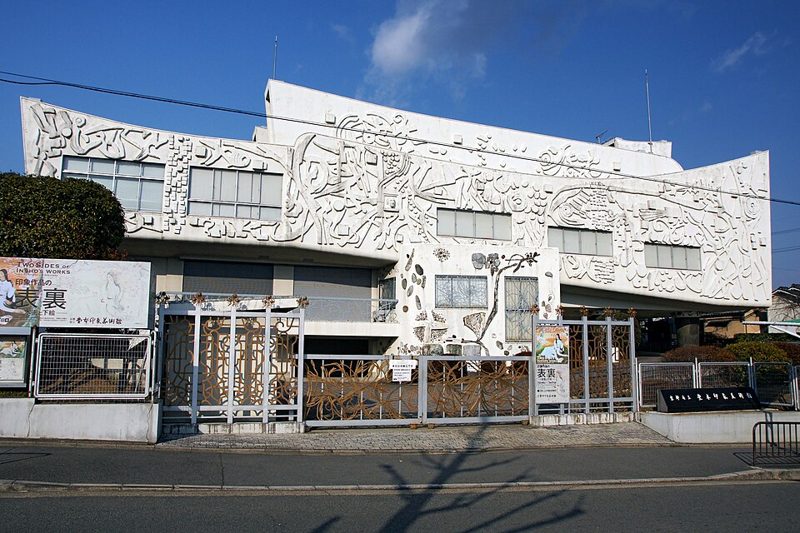
60th Anniversary Special Exhibition II: The Muses Who Modeled for Insho Domoto
Insho Domoto Museum of Fine Arts (Kitano-Hakubaicho Sta.)
Oct 15 (Thu) – Dec 20 (Sun) 09:30 – 17:00
A special exhibition celebrating the museum's 60th anniversary, exploring depictions of women that artist Insho Domoto pursued throughout his career.
Details →Festival & seasonal event
Tourin-in Temple Bonto Candlelight Evenings
Tourin-in Temple (Myoshinji sub-temple) (Hanazono Sta.)
Oct 30 (Fri) – Nov 8 (Sun) 18:00 – 20:30
A special night opening at Tourin-in inside the Myoshinji temple complex. About 800 candles set on the head priest's handmade lantern tiles and on old roof tiles light up the white-sand and moss garden. Last entry is 20:00. Cancelled in rain.
Details →
Tips from visitors
Been here? Leave a short tip for the next traveler — in any language. No name, no sign-up.
Thank you! We check every tip by hand and post it within a day or two.
How we post tips: we read every one before it goes up. We remove swear words, insults, ads, links and anything that could identify a person. Tips are shown in the language they were written in, with a translate link. Kyochika never writes or pays for tips, and there are no star ratings.
FAQ
- What is Ninna-ji Temple?
- Ninna-ji's National Treasure Kondo was once the Shishinden ceremonial hall of Kyoto's Imperial Palace. Founded in 888 under Emperor Uda, the temple was devastated during the Onin War beginning in 1467 and rebuilt in 1646 with buildings transferred from the palace. Its late-blooming Omuro cherry trees, generally at their best around mid-April, add another distinctive chapter to this World Heritage temple's history.
- Hours at Ninna-ji Temple?
- Goten Garden: 9:00 AM–5:00 PM, March–November; 9:00 AM–4:30 PM, December–February. The official homepage states that reception ends at 4:30 PM for the 5:00 PM schedule. Winter last admission is not separately specified.
- Closed at Ninna-ji Temple?
- No regular closing days. Individual areas may be temporarily unavailable.
- Admission at Ninna-ji Temple?
- Goten Garden: adults ¥800; high school students and younger free. Reihokan Museum, open for limited periods: adults ¥500; high school students and younger free. Omuro Flower Festival special admission: adults ¥800; high school students and younger free. Groups of 15 or more: adults ¥720 for the Goten Garden or Omuro Flower Festival and ¥450 for Reihokan. A combined Goten Garden and Reihokan ticket is available during museum opening periods; its price is not specified in the reviewed FAQ.
- Access at Ninna-ji Temple?
- Approximately 3 minutes on foot from Omuro-Ninnaji Station on the Randen railway. Approximately 15 minutes on foot or 5 minutes by taxi from JR Hanazono Station. Kyoto City Bus route 26 from Kyoto Station takes approximately 40 minutes.
- When do the Omuro cherry trees bloom?
- The official temple history identifies mid-April as their usual best viewing period. Actual flowering depends on seasonal conditions.
- Is the Kondo originally from the Imperial Palace?
- Yes. The temple states that the Kondo is the former Shishinden ceremonial hall transferred from the Imperial Palace during the Edo-period reconstruction.
- Is Ninna-ji open every day?
- The official FAQ says there are no regular closing days, although particular areas may occasionally be inaccessible.
- How long should I spend at Ninna-ji?
- The official FAQ recommends approximately one hour. Kyochika's suggested route allows additional time for selected buildings and garden viewing.