Temples in Kyoto · Okazaki / Sakyo
Nanzen-ji Temple
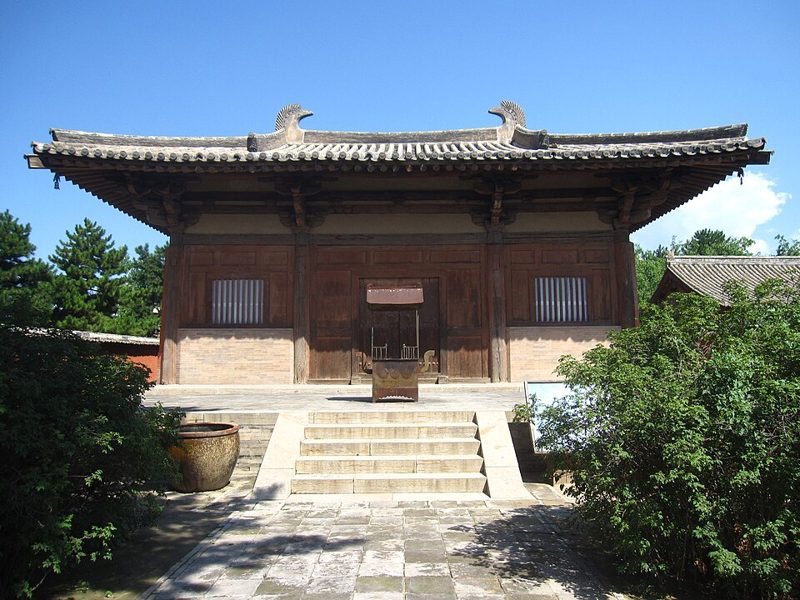
Nanzen-ji began as an imperial villa belonging to Emperor Kameyama before becoming one of Kyoto's great Zen temples. Beyond its imposing Sanmon Gate and refined rock gardens stands an unexpected sight: a red-brick aqueduct crossing the temple grounds. Here, medieval Zen culture and the engineering ambitions of modern Japan occupy the same landscape.
Kyochika's take
Allow approximately 1–1.5 hours for the Sanmon Gate, Hojo Garden and Suirokaku aqueduct. Begin with the monumental gate and the broad temple grounds, then move into the intimate garden before finishing at the aqueduct. The route feels like a journey from medieval Kyoto into the Meiji period. Nearby Eikan-do and the Keage area make natural additions to your walk.
Hours, admission and access
- Hours
- March 1–November 30: 8:40–17:00. December 1–February 28: 8:40–16:30. Last admission is 20 minutes before closing.
- Closed
- General sightseeing admission is suspended December 28–31. Visits resume in the New Year.
- Admission
- Hojo Garden: adults ¥600, high school students ¥500, elementary and junior high school students ¥400. Sanmon Gate: adults ¥600, high school students ¥500, elementary and junior high school students ¥400. Nanzen-in: adults ¥500, high school students ¥450, elementary and junior high school students ¥350. Nanzen-in is closed for restoration work until around spring 2027.
- Access
- Approximately 10 minutes on foot from Keage Station on the Tozai Subway Line.
- Nearest station
- Keage
Checked against official information on 2026-10-28. Details change, so check the official website before you go.
Sources: Nanzen-ji Official Website: Visitor Information (Japanese), Nanzen-ji Official Website: Nanzen-in Closure Notice, January 8, 2026 (Japanese), Kyoto Travel Guide: Nanzen-ji (Japanese)
 Pochikichi's story corner
Why did an imperial villa become a Zen temple?
Nanzen-ji began as Zenrinji-dono, a villa belonging to Emperor Kameyama. After leaving the throne, Kameyama became a Buddhist monk in 1289, taking the title of retired emperor. This was the Kamakura period, when Japan was still recovering from the Mongol invasions. Kameyama was deeply devoted to Zen Buddhism, and in 1291 he transformed his villa into a temple, appointing the Zen master Mukan Fumon as its founder. The temple's official history also preserves a story in which Mukan calmed mysterious disturbances at the villa through meditation and Buddhist chanting.
Mukan Fumon died later in 1291, and Kian Soen became the temple's second abbot the following year. Because the site had originally been a villa, it lacked the buildings required for a fully functioning Zen monastery. Kian supervised their development. The temple's name evolved from its earlier association with Zenrin-ji, reflecting its identity as a center for the transmission of Zen teachings. A private imperial residence was becoming a place devoted to spiritual discipline and Buddhist philosophy.
Nanzen-ji later became one of Kyoto's most influential Zen institutions. Nanzen-in preserves the site of Kameyama's former villa and its historic garden, while the Hojo, or abbot's residence, contains paintings associated with the Kano school and an early Edo-period dry-landscape garden. The story of Nanzen-ji is not simply about old buildings. It is about the transformation of courtly culture into Zen culture. So after admiring the great Sanmon Gate, spend time in the quiet Hojo Garden and consider how an imperial retreat became a place of meditation.
Sources: Nanzen-ji Official Website: History (Japanese), Nanzen-ji Official Website: The Origins of Zenrin-ji (Japanese), Nanzen-ji Official Website: Nanzen-in (Japanese)
Long ago, around hereHow did an imperial retreat and a modern waterway come to share this site?
In the Kamakura period, this district formed part of Emperor Kameyama's villa, Zenrinji-dono. Its gardens drew on the surrounding wooded hills and flowing water, creating a retreat where the emperor eventually entered religious life. Nanzen-in occupies part of the former villa site, and its garden preserves characteristics of a late Kamakura-period strolling pond garden. The upper pond is known as Sogenchi and is said to suggest the shape of a dragon, while the lower pond includes a heart-shaped island.
The landscape changed dramatically in the Meiji period. Kyoto undertook the Lake Biwa Canal project to bring water from Japan's largest lake into the city. Part of the canal crossed the Nanzen-ji grounds, resulting in Suirokaku, the red-brick aqueduct with a series of striking arches. Its industrial appearance contrasts with the wooded temple setting, making it a vivid reminder of Kyoto's modernization. Few places show the meeting of medieval spirituality and modern engineering so clearly. So after visiting the Hojo Garden, walk to the aqueduct and look at its repeating brick arches.
Sources: Nanzen-ji Official Website: History (Japanese), Nanzen-ji Official Website: Nanzen-in (Japanese)
Details worth looking for
- Tiger Cubs Crossing the Water
- This dry-landscape garden in front of the Great Hojo is traditionally attributed to Kobori Enshu. Its broad white gravel and low, horizontal stones create a composition famous for its restrained use of space.
- Nyoshin-tei Garden
- Created in 1966 under the guidance of Shibayama Zenkei, this garden arranges stones in a form suggesting the character for 'heart' or 'mind,' expressing a Zen idea through landscape design.
- Rokudo Garden
- A garden representing the six realms of Buddhist rebirth: heavenly beings, humans, fighting spirits, animals, hungry ghosts and hell. Moss and stones offer a quiet meditation on human confusion.
- Hojo Screen Paintings
- Some original Kano-school paintings were moved into storage for preservation. High-resolution digital reproductions with reconstructed colors are displayed in their place.
- Nanzen-in Garden
- This strolling pond garden preserves traces of Emperor Kameyama's villa, including islands in its upper and lower ponds. It is currently closed to the public for restoration work.
Sources: Nanzen-ji Official Website: Hojo (Japanese), Nanzen-ji Official Website: Gardens (Japanese), Nanzen-ji Official Website: Nanzen-in (Japanese)
Through the seasons
- Spring
- Cherry blossoms and fresh green foliage throughout the temple grounds.
- Summer
- Lush green trees around the temple and the Hojo Garden.
- Autumn
- Autumn foliage around the Sanmon Gate and throughout the grounds. Special visits are also announced for autumn 2026.
- Winter
- The quiet forms of the Hojo dry-landscape garden. General sightseeing admission is suspended December 28–31.
Good to know before you go
- The Sanmon Gate and Hojo Garden have separate admission charges.
- Restoration of Nanzen-in's roof has been extended, and ordinary visits are suspended until approximately spring 2027.
- The grounds contain many steps and slopes. Visitors using wheelchairs are advised to bring someone to assist them.
- Some original screen paintings from the Hojo are preserved in storage, while restored reproductions are displayed.
FAQ
- What is Nanzen-ji Temple?
- Nanzen-ji began as an imperial villa belonging to Emperor Kameyama before becoming one of Kyoto's great Zen temples. Beyond its imposing Sanmon Gate and refined rock gardens stands an unexpected sight: a red-brick aqueduct crossing the temple grounds. Here, medieval Zen culture and the engineering ambitions of modern Japan occupy the same landscape.
- Hours at Nanzen-ji Temple?
- March 1–November 30: 8:40–17:00. December 1–February 28: 8:40–16:30. Last admission is 20 minutes before closing.
- Closed at Nanzen-ji Temple?
- General sightseeing admission is suspended December 28–31. Visits resume in the New Year.
- Admission at Nanzen-ji Temple?
- Hojo Garden: adults ¥600, high school students ¥500, elementary and junior high school students ¥400. Sanmon Gate: adults ¥600, high school students ¥500, elementary and junior high school students ¥400. Nanzen-in: adults ¥500, high school students ¥450, elementary and junior high school students ¥350. Nanzen-in is closed for restoration work until around spring 2027.
- Access at Nanzen-ji Temple?
- Approximately 10 minutes on foot from Keage Station on the Tozai Subway Line.