Shrines in Kyoto · Kibune, Sakyo Ward, Northern Kyoto
Kifune-jinja Shrine
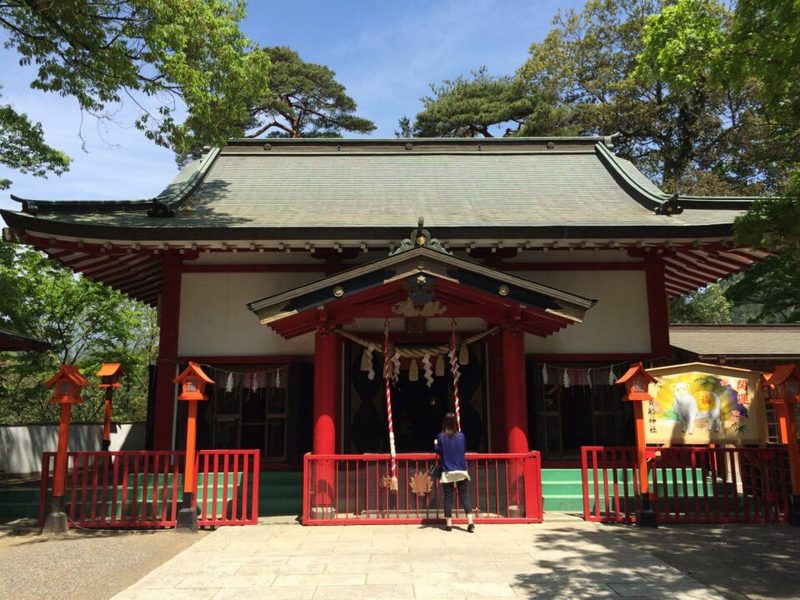
Kifune-jinja preserves a foundation legend about Tamayori-hime, who traveled upstream from the present-day Osaka harbor toward the source of the Kibune River and established a sanctuary. The original sacred site lies at the Rear Shrine, while the present Main Shrine occupies a location to which the sanctuary moved in 1055 after flooding. The shrine's three principal worship areas connect water, religious history, matchmaking and the mountain landscape.
Kyochika's take
Kyochika recommends Kifune-jinja for travelers who enjoy Shinto history, sacred landscapes, seasonal scenery and stories about water and human relationships. To experience more than the photographed Main Shrine staircase, follow the traditional three-shrine route from the Main Shrine to Yui no Yashiro and the Rear Shrine.
A daytime visit is Kyochika's suggestion for travelers who want to examine the sanctuaries and obtain shrine amulets during office hours. An evening visit offers the illuminated entrance lanterns, subject to the seasonal closing time. Visitors interested in mountain walking can consider combining the shrine with Kurama-dera, using the documented connecting route when conditions permit.
Hours, admission and access
- Hours
- Main Shrine: 6:00–20:00 from May 1 to November 30; 6:00–18:00 from December 1 to April 30. Amulets and shrine seals: 9:00–17:00 year-round, with possible extensions during illumination periods. Prayer reception: 9:00–15:00 according to the official announcement dated April 30, 2026. Yui no Yashiro and Rear Shrine: accessible at any time.
- Closed
- Open year-round.
- Admission
- Free admission to the shrine precincts. Optional religious services and purchases are separate.
- Access
- Take the Eizan Railway to Kibuneguchi Station, then Kyoto Bus Route 33 toward Kibune. The shrine's official FAQ gives approximately 4 minutes for the bus journey to Kibune Bus Stop. Continue on foot to the Main Shrine.
- Nearest station
- Kibuneguchi Station (Eizan Railway)
Checked against official information on 2026-10-28. Details change, so check the official website before you go.
Sources: Kifune Shrine Official Website, Kifune Shrine — Visiting the Shrine, Kifune Shrine — About Kifune Shrine, Kifune Shrine — Transport and Access, Kifune Shrine — Official FAQ, Kifune Shrine — April 30, 2026 Visiting Hours Announcement, Kyoto City Official Travel Guide — Kifune-jinja, Kyoto City Official Travel Guide — Kurama and Kibune
 Pochikichi's story corner
How did a shrine dedicated to water become a place associated with matchmaking?
The exact founding date of Kifune-jinja is unknown. Its official history records ancient traditions and refers to shrine reconstruction during the reign of Emperor Tenmu, indicating that the sanctuary existed long before its surviving historical documentation becomes complete. One foundation legend tells of Tamayori-hime, who traveled upstream from the present-day Osaka harbor along the Yodo, Kamo and Kibune rivers in search of a sacred water source. She finally reached the location now associated with the Rear Shrine and established a sanctuary. The account is explicitly a religious legend, but it provides an explanation of why this particular mountain valley was regarded as sacred.
The principal deity of Kifune-jinja is Takaokami-no-Kami, a deity associated with water and rainfall. The shrine's official account draws on Kojiki and Nihon Shoki to explain the deity's mythological origins. In the Nihon Shoki version, Takaokami emerges from an episode involving Izanagi and the fire deity Kagutsuchi. Water is presented as a power capable of counteracting destructive fire and sustaining life. The shrine also identifies Takaokami with Kuraokami, explaining that the different names may refer to the same divine being.
The original sanctuary was located farther into the valley, at the site now known as the Rear Shrine. Following flood damage, the Main Shrine moved to its present location in 1055. The official account states that the shrine had undergone more than 36 reconstructions by 1633 and received extensive repairs using national funds in 1922. The present Main Shrine was rebuilt from the foundations during the Heisei period. This history emphasizes the continuing importance of maintaining a religious sanctuary in a mountain environment affected by water and changing natural conditions.
Alongside worship for rainfall and protection, Kifune developed a reputation for favorable relationships. Yui no Yashiro, the middle sanctuary, enshrines Iwanaga-hime-no-mikoto and preserves a legend explaining its association with matchmaking. The shrine also recounts a visit by the Heian-period poet Izumi Shikibu, who prayed concerning her husband's affection. These traditions sit beside the shrine's wider role as a place of worship for water. So when you visit, look for the distinction between the Main Shrine, the matchmaking sanctuary and the Rear Shrine, where different strands of the shrine's history become visible along the valley.
Sources: Kifune Shrine — About Kifune Shrine, Kifune Shrine — Visiting the Shrine
Long ago, around hereWhat did the Kibune valley represent before the present shrine complex?
Approximately 1,200 years ago, the shrine was already associated with a religious tradition regarded as ancient. Its official history records reconstruction during the reign of Emperor Tenmu, while the exact founding date remains unknown. The earliest sanctuary was situated at the location now known as the Rear Shrine. Its religious importance centered on water and the deity worshipped as Takaokami, connecting the mountain landscape with concerns about rain, agriculture and the supply of water.
Around 400 years ago, the Main Shrine had long occupied the location to which it moved in 1055. The shrine records repeated reconstructions by 1633, demonstrating a sustained effort to maintain worship in the valley. About 150 years ago, the institution continued to inherit traditions concerning the water deity and the sacred sites distributed along the river. The present Main Shrine is not a surviving building from those earlier periods, having been rebuilt during the Heisei period. The continuity lies in the sacred locations, the deity and the religious traditions rather than in unchanged architecture.
Sources: Kifune Shrine — About Kifune Shrine, Kifune Shrine — Visiting the Shrine
Hidden highlights
- Mizuura Mikuji
- The Main Shrine's water-revealed fortune slips show their message when placed on the sacred spring water. This distinctive form of fortune telling directly reflects the shrine's dedication to water.
- Yui no Yashiro
- The middle shrine enshrines Iwanaga-hime-no-mikoto and is associated with matchmaking. Its traditional story concerns the rejected princess who chose to bestow favorable relationships on others.
- Boat Stones at the Rear Shrine
- Moss-covered stones at the Rear Shrine are associated with the boat in the legend of Tamayori-hime. The story explains their significance as a memorial to the shrine's foundation.
- Ryuketsu
- The shrine describes a sacred dragon cavern beneath the Rear Shrine. It is not accessible to visitors and is specifically protected from viewing, making it an important story rather than a physical attraction to enter.
- Sansha-mairi
- The traditional visit involves the Main Shrine, Yui no Yashiro and the Rear Shrine. Following the sequence reveals how the shrine's traditions extend along the mountain valley.
- The Main Shrine Lanterns
- Stone lanterns line the main approach and are illuminated from sunset. Their repeated placement creates a formal entrance between the village road and the principal sanctuary.
Sources: Kifune Shrine — Visiting the Shrine, Kifune Shrine — Official FAQ
Why did Izumi Shikibu visit Kifune?
The shrine's official account preserves a story about the Heian-period poet Izumi Shikibu. Concerned about a change in her husband's affection, she visited the shrine and offered a prayer through poetry. The traditional story says that her wish was fulfilled, contributing to Kifune's reputation as a shrine associated with love and relationships.
The episode brings together a famous literary figure and the shrine's religious traditions. Kyochika suggests considering it alongside the story of Iwanaga-hime at Yui no Yashiro, because both traditions help explain why personal relationships became part of the shrine's identity. The account should be understood as a shrine tradition rather than documentary proof that a prayer changed an individual's feelings.
Sources: Kifune Shrine — Visiting the Shrine
Why were dark horses offered during droughts?
Kifune's official history records a tradition of presenting different colored horses when asking the water deity to change the weather. Dark horses were offered during droughts, while white or red horses were offered during prolonged rain. The contrast reflects the need for rainfall to be sufficient without becoming destructive.
The practice links the shrine with the concerns of the imperial court and communities dependent on predictable weather. Kifune's water deity was not simply associated with rivers and springs as natural features; worshippers sought intervention in conditions that affected the wider land. The story provides a useful counterpoint to the modern emphasis on matchmaking and seasonal scenery.
Sources: Kifune Shrine — About Kifune Shrine
How to walk it
- Kibune Bus Stop — Begin the approach along the Kibune valley toward the Main Shrine. (5 min)
- Main Shrine Lantern Staircase — Examine the stone staircase and the lanterns marking the entrance to the shrine. (5 min)
- Main Shrine — Visit the principal sanctuary dedicated to Takaokami and examine the sacred spring and water-revealed fortunes. (15 min)
- Main Shrine to Yui no Yashiro — Continue along the valley toward the middle shrine associated with matchmaking. (10 min)
- Yui no Yashiro — Explore the sanctuary of Iwanaga-hime and its relationship traditions. (10 min)
- Yui no Yashiro to Rear Shrine — Continue toward the traditional founding location of Kifune-jinja. (10 min)
- Rear Shrine — Look for the boat stones and the sacred landscape associated with Tamayori-hime and the dragon cavern. (15 min)
- Return toward the Main Shrine area — Retrace the valley route toward the main entrance and transport connections. (20 min)
All walking and sightseeing times in this itinerary are Kyochika estimates; the shrine does not publish this segment-by-segment walking schedule in the opened sources. The three-shrine pilgrimage itself is confirmed by the official visitor guide. The shrine's FAQ separately confirms an approximately 4-minute Kyoto Bus journey from Kibuneguchi Station to Kibune Bus Stop. Allow extra time for ceremonies, uneven paths, stairs and transport waiting.
Sources: Kifune Shrine — Visiting the Shrine, Kifune Shrine — Official FAQ
Through the seasons
- Spring
- Observe the fresh seasonal foliage around the shrine's wooded setting. The official visitor page presents spring as one of the distinctive seasonal expressions of the Kibune landscape.
- Summer
- Explore the river valley and the shrine's water-related traditions. Kyochika recommends combining the religious visit with time to observe the surrounding landscape.
- Autumn
- The official visitor information highlights seasonal foliage and an autumn illumination period. Confirm current-year dates before arranging an evening visit.
- Winter
- The Main Shrine operates on its shorter seasonal schedule, 6:00–18:00 from December 1 through April 30. The shrine's wooded mountain setting remains part of the experience.
- Evening
- The stone lanterns along the Main Shrine approach are illuminated from sunset until closing, subject to the shrine's seasonal and special-event schedules.
Getting there by taxi or bus
- Taxi
- Road access to the Kibune valley is possible. The shrine's official access page gives approximately 40 minutes by road from Kyoto Station, but this is not a verified taxi fare or guaranteed journey time.
- Bus
- Kyoto Bus Route 33 from Kibuneguchi Station to Kibune (貴船). The shrine's official FAQ gives approximately 4 minutes for the bus journey.
- Other
- Take the Eizan Railway to Kibuneguchi Station and transfer to Kyoto Bus Route 33. The shrine also confirms a walking connection from Kurama-dera through Ki-no-ne Michi toward the Kurama-dera West Gate.
Sources: Kifune Shrine — Transport and Access, Kifune Shrine — Official FAQ
Pair it with
- Yui no Yashiro — Visit the shrine dedicated to Iwanaga-hime and associated with favorable relationships. (10 min walk)
- Kifune Rear Shrine — Continue to the traditional founding site associated with Tamayori-hime's boat and the sacred dragon cavern. (20 min walk)
- Kurama-dera Temple — Combine the shrine of the water deity with a mountain Buddhist temple associated with Yoshitsune and the Heian literary world. (50 min walk)
Good to know before you go
- The shrine is open year-round and admission is free.
- The Main Shrine opens from 6:00 to 20:00 between May 1 and November 30.
- The Main Shrine opens from 6:00 to 18:00 between December 1 and April 30.
- The amulet and shrine-seal office operates from 9:00 to 17:00 year-round, with possible extensions during illumination events.
- The official announcement dated April 30, 2026 gives prayer reception hours as 9:00–15:00.
- The official English FAQ separately lists prayer reception until 15:30. The newer dated announcement has been prioritized.
- Yui no Yashiro and the Rear Shrine may be visited at any time.
- The shrine's lanterns are illuminated from sunset, with timing subject to seasonal closing hours and special events.
- The official English website provides visitor information, explanations of the deities, access guidance and worship etiquette.
- The Main Shrine contains numerous stone stairs. The official visitor guide states that the shrine cannot be visited by wheelchair and stroller users.
- The shrine recommends public transport because parking is limited.
- The official parking charge is ¥1,000 per 2 hours.
- The official access page lists parking for 10 cars at the Main Shrine and 5 at the Rear Shrine.
- Motor-coach visits may require advance parking reservations and compliance with seasonal traffic regulations.
- To perform temizu purification, wash the left hand and right hand in sequence, rinse the mouth using water transferred into the hand, then clean the ladle handle. Do not put the ladle directly to the mouth.
- The official prayer etiquette describes two bows, two claps and a final bow.
- The dragon cavern beneath the Rear Shrine is not open to viewing.
- The water-revealed fortunes are associated with the Main Shrine's sacred spring.
- Individual photography restrictions and cashless payment acceptance were not confirmed from the opened official sources.
Next stop: book for later today PR
Tickets and experiences in Kyoto you can book on Klook. Filter by “Today” to see what is still open.
Kimono rental in Kyoto→Tea ceremony experiences in Kyoto→Kyoto one-day sightseeing tours→All things to do in Kyoto on Klook →Compare on GetYourGuide: Kimono rental in Kyoto · Tea ceremony experiences in Kyoto · Kyoto one-day sightseeing tours
Ad: Klook and GetYourGuide affiliate links.
🍜 Where to eat after
Restaurants near here on Google Maps→Many restaurants in Kyoto take reservations, and some are cash only. Check the restaurant page before you go.
Events nearby
Festival & seasonal event
Kifune Shrine Autumn Leaves Illumination
Kifune Shrine, main approach to the Main Shrine (Kibuneguchi Sta.)
Nov 7 (Sat) – Nov 24 (Tue) Lit from sunset until 8:30 PM
The autumn leaves along the main approach to Kifune Shrine's Main Shrine are lit up from sunset. Admission is free; the amulet office is open 9:00 AM to 8:00 PM.
Details →
Tips from visitors
Been here? Leave a short tip for the next traveler — in any language. No name, no sign-up.
Thank you! We check every tip by hand and post it within a day or two.
How we post tips: we read every one before it goes up. We remove swear words, insults, ads, links and anything that could identify a person. Tips are shown in the language they were written in, with a translate link. Kyochika never writes or pays for tips, and there are no star ratings.
FAQ
- What is Kifune-jinja Shrine?
- Kifune-jinja preserves a foundation legend about Tamayori-hime, who traveled upstream from the present-day Osaka harbor toward the source of the Kibune River and established a sanctuary. The original sacred site lies at the Rear Shrine, while the present Main Shrine occupies a location to which the sanctuary moved in 1055 after flooding. The shrine's three principal worship areas connect water, religious history, matchmaking and the mountain landscape.
- Hours at Kifune-jinja Shrine?
- Main Shrine: 6:00–20:00 from May 1 to November 30; 6:00–18:00 from December 1 to April 30. Amulets and shrine seals: 9:00–17:00 year-round, with possible extensions during illumination periods. Prayer reception: 9:00–15:00 according to the official announcement dated April 30, 2026. Yui no Yashiro and Rear Shrine: accessible at any time.
- Closed at Kifune-jinja Shrine?
- Open year-round.
- Admission at Kifune-jinja Shrine?
- Free admission to the shrine precincts. Optional religious services and purchases are separate.
- Access at Kifune-jinja Shrine?
- Take the Eizan Railway to Kibuneguchi Station, then Kyoto Bus Route 33 toward Kibune. The shrine's official FAQ gives approximately 4 minutes for the bus journey to Kibune Bus Stop. Continue on foot to the Main Shrine.
- Is Kifune-jinja free to enter?
- Yes. The official shrine website confirms that admission is free and the shrine is open year-round.
- What time does Kifune-jinja close?
- The Main Shrine closes at 20:00 from May 1 through November 30 and at 18:00 from December 1 through April 30. The office for amulets and shrine seals normally closes at 17:00.
- What are the three shrines at Kifune-jinja?
- The Main Shrine and Rear Shrine enshrine Takaokami, the water deity. Yui no Yashiro enshrines Iwanaga-hime and is associated with matchmaking. Together they form the traditional three-shrine pilgrimage.
- How do I reach Kifune-jinja by public transport?
- Take the Eizan Railway to Kibuneguchi Station and transfer to Kyoto Bus Route 33 toward Kibune. The shrine's FAQ gives approximately 4 minutes for the bus ride to the Kibune stop, followed by walking to the Main Shrine.