Temples in Kyoto · Okazaki / Sakyo
Jisho-ji Temple (Ginkaku-ji, the Silver Pavilion)
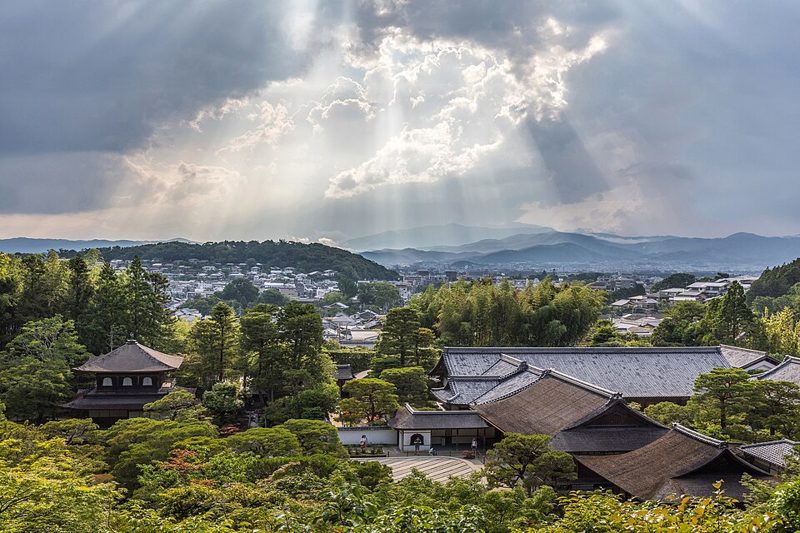
The Silver Pavilion is not covered in silver. Yet Ginkaku-ji holds an extraordinary place in Japanese cultural history because its buildings and gardens preserve the refined, understated aesthetic cultivated by shogun Ashikaga Yoshimasa at his Higashiyama residence. Within the National Treasure Togudo Hall is Dojinsai, a small study regarded as an important precursor of the Japanese tea room.
Kyochika's take
Enter through the Ginkakuji-gaki hedges, then explore Ginshadan, Kogetsudai, the Togudo, and the Silver Pavilion. If you are comfortable with steps, continue up to the hillside viewpoint. The temple's official suggested visiting time is about 30 minutes, but allow 45–60 minutes to appreciate the garden at a relaxed pace. After your visit, continue along the Philosopher's Path.
Hours, admission and access
- Hours
- March 1–November 30: 8:30–17:00 (grounds must be vacated by 17:20). December 1–end of February: 9:00–16:30 (grounds must be vacated by 16:50).
- Closed
- Open daily.
- Admission
- Adults (high school age and older) ¥1,000; elementary and junior high school students ¥500; reduced admission for eligible visitors with disabilities ¥100.
- Access
- From Keihan Demachiyanagi, take a city bus. Approximately 10 minutes on foot from Ginkakuji-michi or 5 minutes from Ginkakuji-mae.
- Nearest station
- Demachiyanagi
Checked against official information on 2026-10-28. Details change, so check the official website before you go.
Sources: Ginkaku-ji Official Website: Access and Visiting Information (Japanese), Ginkaku-ji Official Website: Frequently Asked Questions (Japanese), Kyoto City Official Tourism Guide: Ginkaku-ji (Japanese), Jisho-ji: Geographic Location Data (Japanese)
 Pochikichi's story corner
Why Isn't the Silver Pavilion Silver?
Jisho-ji began as Higashiyama-dono, a private estate commissioned in 1482 by Ashikaga Yoshimasa, the eighth shogun of the Muromachi government. Yoshimasa chose a site at the foot of Kyoto's eastern mountains to create a retreat reflecting his artistic and religious ideals. In 1486, the Togudo Hall was completed as a private Buddhist worship hall. Inside is the study known as Dojinsai, an intimate space that influenced the development of Japanese tea-room architecture. Construction of the Kannon Hall, now called the Silver Pavilion, began in 1489.
Yoshimasa died in 1490 before seeing the pavilion completed. According to his wishes, the estate was converted into a Zen temple. In the following year, it received the name Jisho-ji, derived from his posthumous Buddhist title, Jisho-in. The popular name Ginkaku-ji, meaning 'Silver Pavilion Temple,' came into use during the Edo period in contrast with Kinkaku-ji, the Golden Pavilion. The temple's official history emphasizes the religious ideas and understated aesthetics of Higashiyama culture rather than any silver decoration.
The surviving Kannon Hall has two floors: the lower level is called Shinku-den and the upper level Choon-kaku. The striking white-sand formations in front of the main buildings, Ginshadan and Kogetsudai, are among the temple's most photographed features. However, they are thought to have developed in the early modern period or later rather than directly from Yoshimasa's time. Ginkaku-ji therefore combines medieval architecture with later interpretations of garden design. That is why, beyond the white-sand garden, you should look carefully at the Togudo and Kannon Hall, the two buildings that survive from Yoshimasa's estate.
Sources: Ginkaku-ji Official Website: About the Temple (Japanese), Ginkaku-ji Official Website: Precinct Guide (Japanese), Shokoku-ji Official Website: Historical Chronology (Japanese)
Long ago, around hereWhat Was This Hillside Like in the Shogun's Time?
The area around present-day Ginkaku-ji became the private retreat of Ashikaga Yoshimasa during the late Muromachi period. Construction began in 1482, and Yoshimasa moved into his newly completed residential quarters the following year. Over time, the estate acquired the Togudo Hall, reception buildings, waterside structures, and the Kannon Hall. It was both the shogun's home and a setting in which architecture and landscape expressed his religious ideals.
After Yoshimasa's death, the estate became a temple, but not all its original buildings survived. Today's main hall dates from the middle Edo period, while the distinctive sand formations known as Ginshadan and Kogetsudai are thought to reflect later garden traditions. The Togudo and Kannon Hall, however, preserve the world of the original Muromachi residence. The narrow entrance path, bordered by the tall Ginkakuji-gaki hedges, is thought to have created a transition between the outside world and the private estate. So, before entering the main garden, look at the approximately 50-meter-long hedge-lined approach and imagine how it once separated the shogun's retreat from the world beyond.
Sources: Ginkaku-ji Official Website: About the Temple (Japanese), Ginkaku-ji Official Website: Precinct Guide (Japanese)
Lesser-Known Highlights
- Ginkakuji-gaki Hedges
- A roughly 50-meter approach bordered by bamboo fencing and tall hedges. The passage is thought to have created a psychological transition from everyday life into the shogun's private world.
- Togudo Hall
- A National Treasure surviving from Yoshimasa's lifetime. Its study, Dojinsai, is regarded as a precursor to the Japanese tea room. The interior is normally closed but opens during special spring and autumn periods.
- Ocha-no-i Spring
- A spring on the eastern hillside of the garden, preserving the memory of the natural water sources that supplied Yoshimasa's estate. It lies along a section of the route with steps.
- Sosentei Ruins
- Remains in the upper garden, near unusually arranged stones that seem almost to have collapsed. They offer a striking contrast to the carefully composed white-sand garden below.
- Sengetsusen Waterfall
- A waterfall flowing into the southeastern end of Kinkychi Pond. It connects the elevated hillside with the lower garden around the Togudo and Silver Pavilion.
Sources: Ginkaku-ji Official Website: Precinct Guide (Japanese)
Through the seasons
- Spring
- Special spring openings provide access to the Togudo, Main Hall, and Roseitei.
- Autumn
- Special autumn openings provide access to the Togudo, Main Hall, and Roseitei. In 2026, the autumn special opening runs from November 1 to December 5.
- Winter
- From December through February, the temple opens at 9:00, with last admission at 16:30.
Good to know before you go
- The regular visit focuses on the gardens. The interior of the Silver Pavilion is closed to the public, while the Togudo and other buildings open during designated special periods.
- Regular admission can be paid in cash or through Omairi Pay. Special admission and goshuin, calligraphic temple stamps, are excluded from cashless payment.
- The hillside viewpoint, Benzaiten shrine, Sosentei ruins, and Ocha-no-i Spring have stairs and are inaccessible to wheelchairs and strollers. An alternative route is shown on the official map.
- There is no parking within the temple grounds.
Events nearby
Festival & seasonal event
Eikando Autumn Illumination and Special Night Viewing
Eikando Temple (Zenrin-ji) (Keage Sta.)
Nov 20 (Fri) – Dec 6 (Sun) 17:30 – 21:00
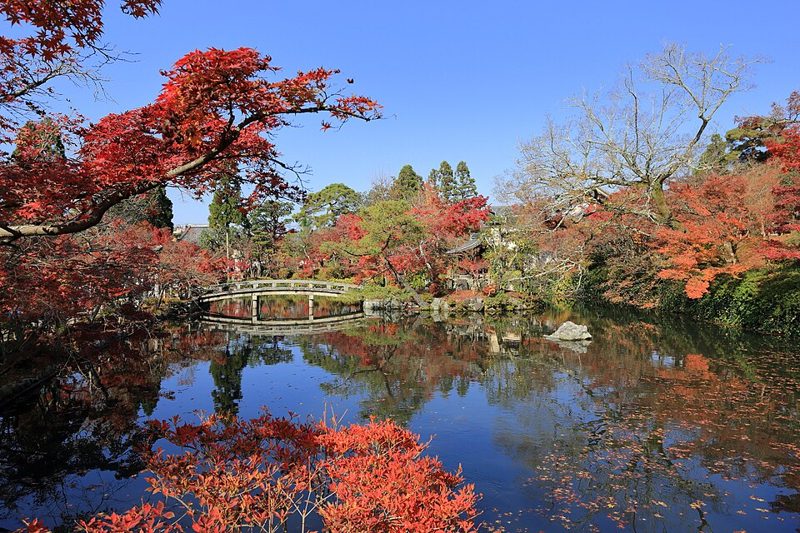
Enjoy around 3,000 maple trees glowing with autumn colors around a traditional strolling pond garden. Last admission at 8:30 PM; lights out and gates close at 9:00 PM.
Details →
FAQ
- What is Jisho-ji Temple (Ginkaku-ji, the Silver Pavilion)?
- The Silver Pavilion is not covered in silver. Yet Ginkaku-ji holds an extraordinary place in Japanese cultural history because its buildings and gardens preserve the refined, understated aesthetic cultivated by shogun Ashikaga Yoshimasa at his Higashiyama residence. Within the National Treasure Togudo Hall is Dojinsai, a small study regarded as an important precursor of the Japanese tea room.
- Hours at Jisho-ji Temple (Ginkaku-ji, the Silver Pavilion)?
- March 1–November 30: 8:30–17:00 (grounds must be vacated by 17:20). December 1–end of February: 9:00–16:30 (grounds must be vacated by 16:50).
- Closed at Jisho-ji Temple (Ginkaku-ji, the Silver Pavilion)?
- Open daily.
- Admission at Jisho-ji Temple (Ginkaku-ji, the Silver Pavilion)?
- Adults (high school age and older) ¥1,000; elementary and junior high school students ¥500; reduced admission for eligible visitors with disabilities ¥100.
- Access at Jisho-ji Temple (Ginkaku-ji, the Silver Pavilion)?
- From Keihan Demachiyanagi, take a city bus. Approximately 10 minutes on foot from Ginkakuji-michi or 5 minutes from Ginkakuji-mae.